
Reliable HDPE pipe jointing is critical for Libya’s expanding water, gas and oil distribution projects. In arid climates and coastal zones alike, choosing the right butt fusion welding solution ensures long-lasting pipelines with minimal maintenance. This guide explains what Libyan contractors, municipal engineers and oilfield teams need to know when selecting HDPE pipe jointing machines for local infrastructure.
Why HDPE Butt Fusion Works for Libya
HDPE pipes resist corrosion, handle temperature swings and perform well under sandy, saline and high-UV exposure — conditions common across Libya. For large-scale water transport, irrigation networks in agricultural oases, and gas distribution in urban and desert projects, butt fusion welding provides leak-free joints that meet strict safety and durability requirements.
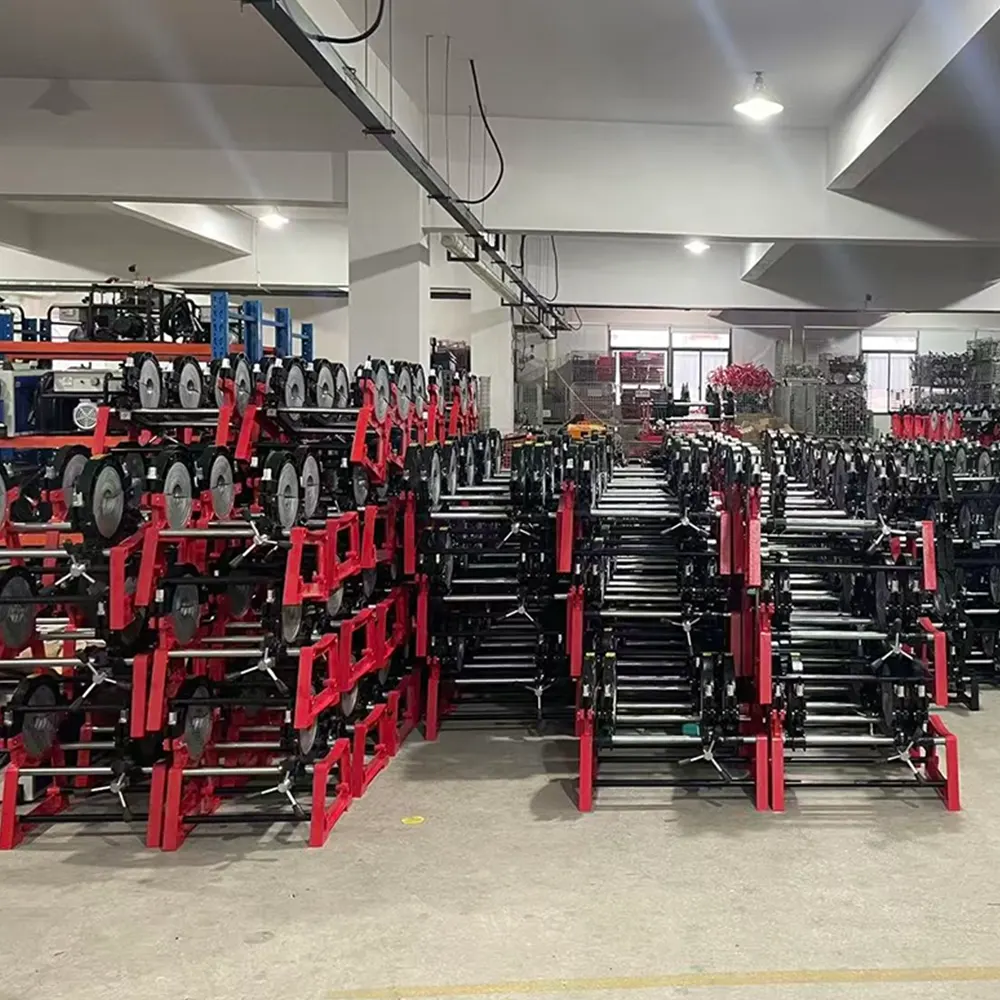
Machine Types: Match Equipment to Project Needs
Project scope in Libya varies from remote well sites to major coastal cities. Choose between:
- Manual butt fusion — portable and cost-effective for field repairs and small-diameter pipes.
- Hydraulic machines — ideal for medium to large diameters with consistent pressure control.
- CNC automatic systems — best for high-throughput factory or major pipeline projects requiring precise weld records.
Quick Comparison
| Model / Type | Pipe Diameter Range | Power / Drive | Best For |
|---|---|---|---|
| Manual Butt Fusion | 20mm – 315mm | Manual / Small motor | Repairs, rural installs |
| Hydraulic Butt Fusion | 90mm – 1200mm+ | Hydraulic powerpack | Large mains, municipal works |
| Automatic / CNC Systems | 160mm – 2250mm+ | Electric / PLC | Factory production, pipeline programs |
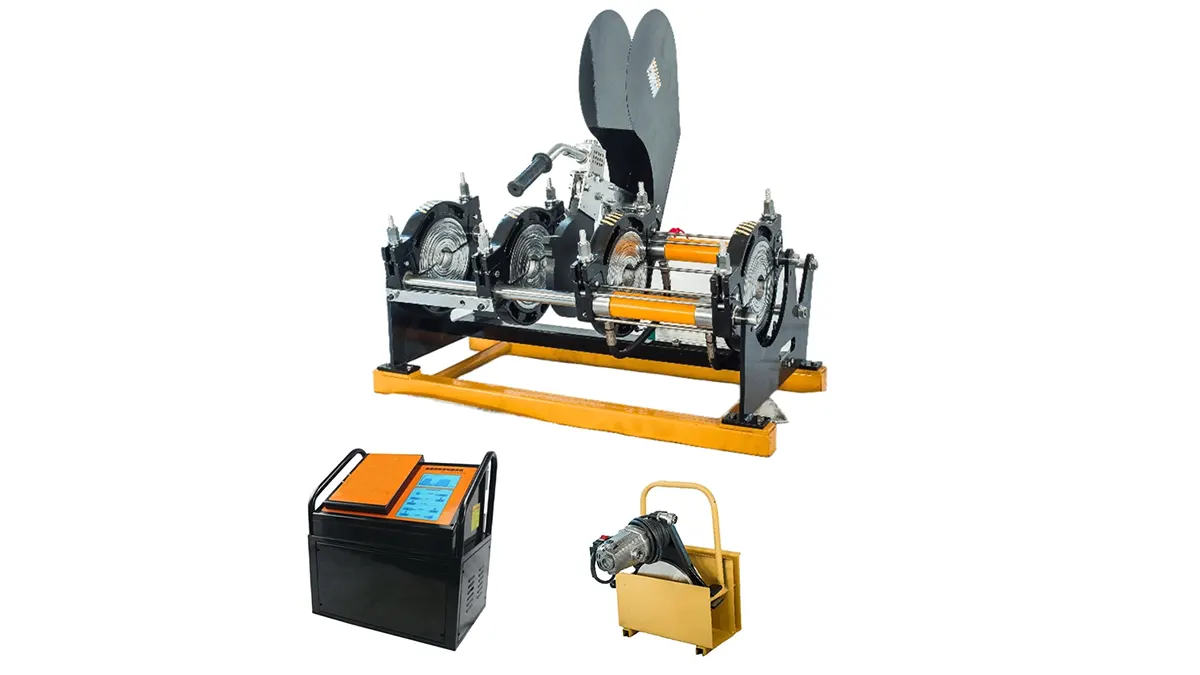
Key Features for Reliability in Libyan Conditions
Durability: corrosion-resistant components and sealed hydraulic systems resist sand and salt. Heating plate quality ensures consistent melt layers in high-ambient temperatures. Accurate clamping and pressure control reduce rework. For large pipelines, CNC traceability records weld parameters — essential for regulatory compliance and long-term asset management.
Local Considerations: Logistics, Training & Certification
Libyan projects often require fast deployment, localized documentation and skilled operators. Prioritize machines with easy spare-part access and remote diagnostics. Organize operator training that covers safe butt-fusion procedures under desert conditions, including material handling, pre-heating best practices and post-weld cooling management. When importing equipment, account for customs, inland transport to remote sites and on-site commissioning.
How to Select the Right Machine for Your Project
Assess these factors: pipe diameter range, project volume, on-site power availability, portability needs and required weld documentation. Small municipal jobs may favor manual units for affordability. Large oilfield or municipal trunk mains typically benefit from hydraulic or automatic machines that deliver consistent weld quality and faster cycle times. Always verify machine performance with sample welds and request documented test reports.
For tailored equipment options, technical specifications and official support, visit JQ-Fusion.
Next steps: define your pipe sizes and project schedule, request a machine quotation and arrange operator training before site mobilization to ensure smooth, reliable HDPE pipeline installation across Libya.



