
Austria’s infrastructure projects demand precision, durability, and regulatory compliance — especially when installing water, gas, and industrial plastic pipelines. HDPE pipe welding equipment plays a central role in delivering leak-free joints, long service life, and fast installation times for municipal utilities, contractors, and renewable energy projects across Austrian regions from Vienna to Tyrol.
Why HDPE Welding Is Essential for Austrian Pipeline Projects
HDPE (high-density polyethylene) pipelines are favored in Austria for corrosion resistance, flexibility in cold climates, and suitability for trenchless installation. Effective welding equipment ensures consistent butt fusion and electrofusion joints that meet local standards and reduce long-term maintenance costs for regional networks and alpine constructions.
Key Benefits for Austrian Contractors
- Reliable joints: Proper butt fusion minimizes leak risks in water and gas distribution under Austria’s strict safety expectations.
- Climate-ready performance: HDPE systems tolerate freeze-thaw cycles and are preferred in mountainous regions.
- Efficient installation: Automated machines speed up large-scale municipal projects and reduce on-site labor time.
- Regulatory alignment: Modern machines support traceable welding records required for compliance with EN and Austrian ÖNORM/DVGW guidelines.
Choosing the Right Machine Type
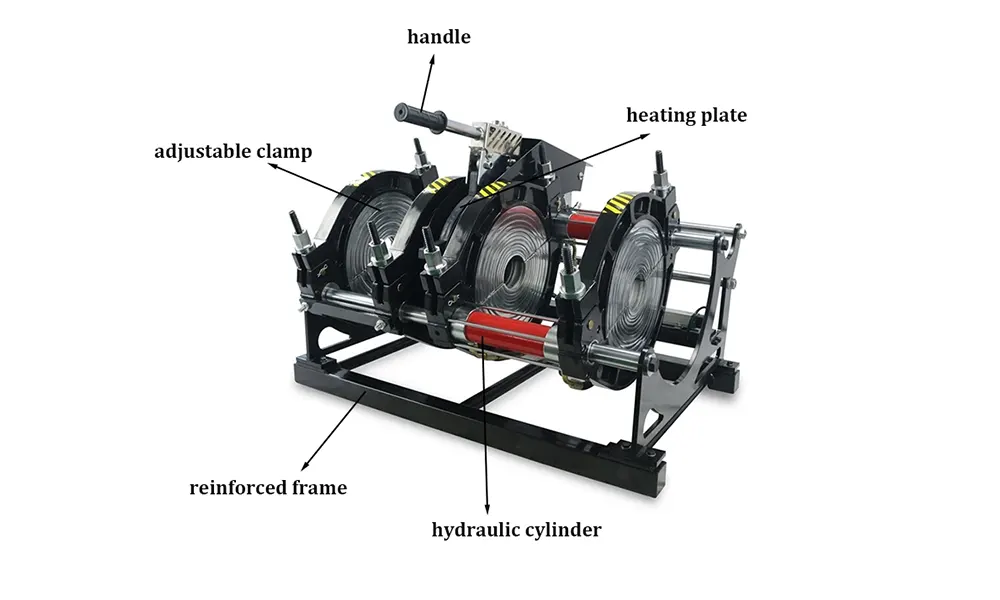
Selection depends on project scale, pipe diameter, and whether portability or automation is a priority. Below is a quick comparison to guide procurement decisions for Austrian jobs:
| Machine Type | Pipe Diameter Range | Key Feature | Ideal Use |
|---|---|---|---|
| Manual Butt Fusion | 20–315 mm | Portable, cost-effective | Small repairs, rural installations |
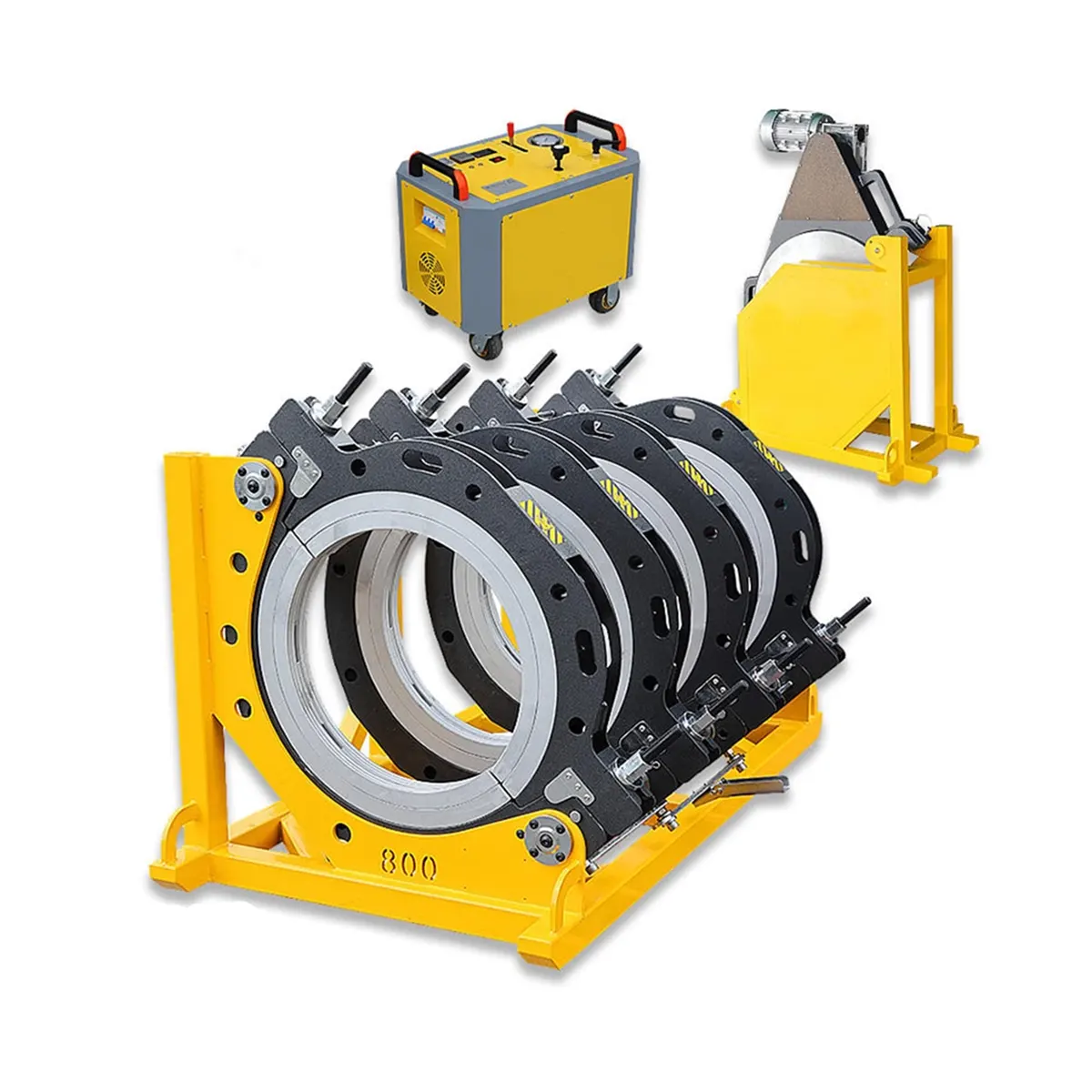
| Hydraulic Butt Fusion | 160–2000+ mm | High force & stability | Large-diameter mains, industrial pipelines |
| CNC/Automatic Butt Fusion | 63–1600 mm | Data logging, precision control | Municipal projects, utility contractors |
| Electrofusion Units | Fittings-specific | Controlled heating for fittings | Branch connections, complex networks |
Standards, Traceability, and Austrian Requirements
Austrian projects benefit when welding equipment enables traceable records, digital logs, and adherence to EN and local ÖNORM/DVGW recommendations. Choose systems with CE marking, clear parameter displays, and exportable welding reports to satisfy project auditors and municipal inspectors.
Practical Buying Tips for Austrian Buyers
- Evaluate spare parts availability within the EU and local service options to reduce downtime.
- Select machines with flexible power options and robust design for alpine and urban sites.
- Prioritize welding controllers that store weld parameters for quality assurance and audits.
- Consider renting specialized large-diameter equipment for one-off infrastructure projects to optimize budget.
Common Applications in Austria
Water supply networks, gas distribution, district heating, mining drainage, and renewable energy piping systems all rely on professional HDPE welding equipment to secure long-term, maintenance-friendly pipelines across urban and mountainous terrain.
Support and After-Sales Considerations
Local technical training, on-site commissioning, and responsive spare parts logistics are crucial. Look for suppliers that provide operator training and clear documentation in English and German to support Austrian crews and inspectors.
For a trusted source of butt fusion and electrofusion solutions, visit JQ-Fusion for product options, technical specifications, and service support tailored to international infrastructure standards.



