
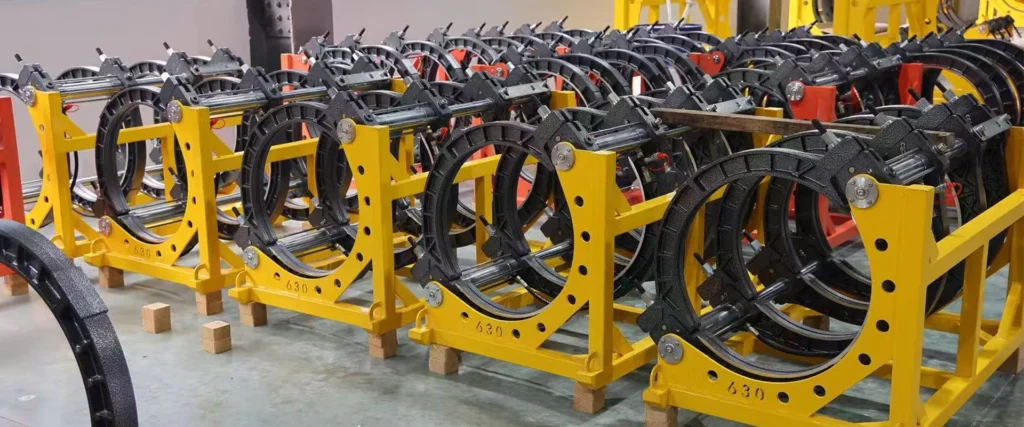
Greece’s infrastructure projects—from island water supply upgrades to mainland industrial pipelines—demand robust, precise, and portable solutions for joining polyethylene (PE/HDPE) pipes. Reliable poly pipe fusion machines ensure leak-free, long-lasting joints that resist corrosion and harsh marine environments. Below we outline practical guidance for Greek contractors, municipal engineers, and irrigation specialists considering butt fusion and multi-angle welding equipment for water, gas, and industrial pipeline projects.
Key Benefits of Poly Pipe Fusion Machines for Greek Projects
Durability and integrity: Butt fusion creates homogenous joints that match pipe strength, essential for coastal and seismic regions in Greece where pressure and movement demand uncompromised fittings. HDPE fusion reduces the risk of leaks across decades compared to mechanical fittings.
Portability and speed: Many municipal works and island installations require machines that are easy to transport and set up. Modern hydraulic and manual fusion units enable rapid mobilization on narrow streets and ferry-accessible sites.
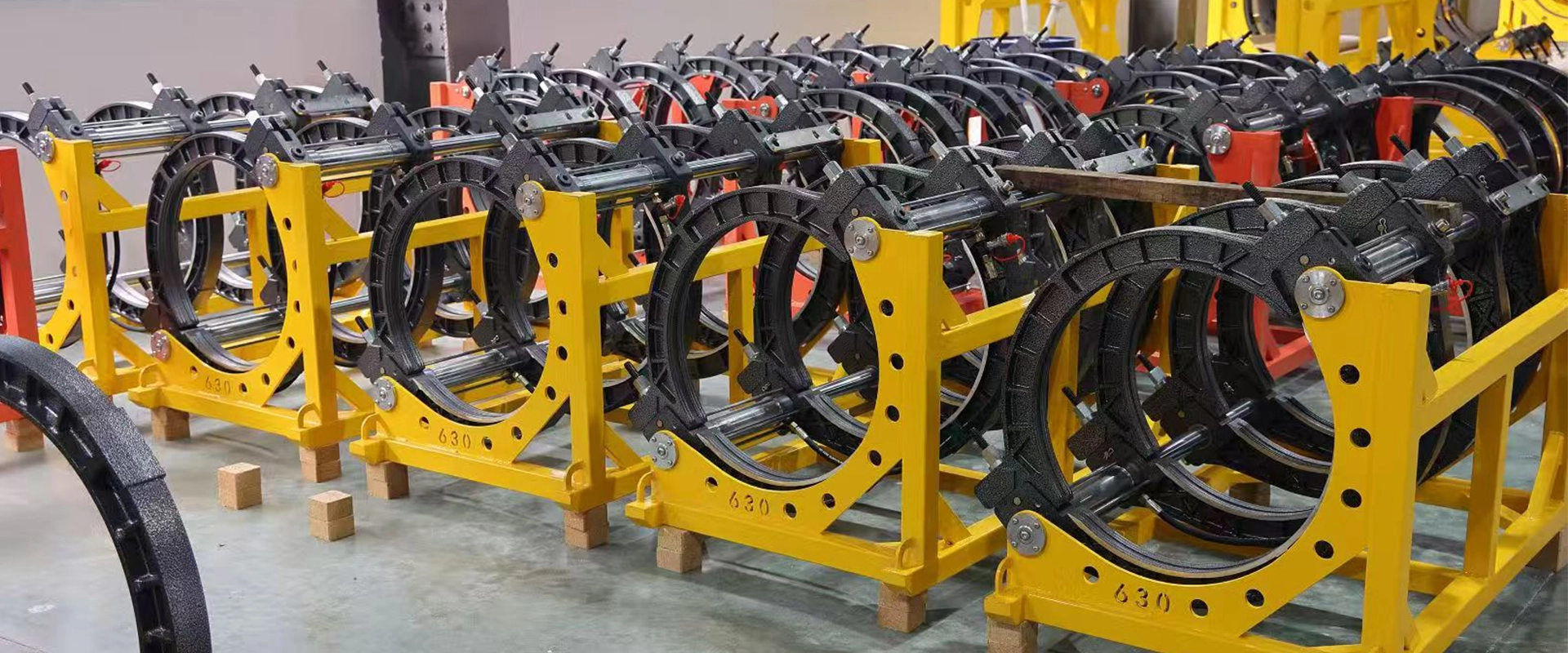
Typical Applications in Greece
Water supply networks: Urban refurbishments in Athens and Thessaloniki, rural village distribution lines, and island desalination plant connections benefit from HDPE’s corrosion resistance and fusion reliability.
Irrigation and agriculture: Crete and Thessaly’s intensive irrigation systems use large-diameter HDPE pipes where efficient, welded joints lower maintenance and downtime.
Sewer and stormwater systems: Non-corroding, welded joints provide long service life for coastal towns where salt and humidity accelerate degradation of metal fittings.
Choosing the Right Machine: What Greek Buyers Should Consider
Pipe diameter range: Select a machine that covers the OD sizes used in your projects—small-diameter distribution lines (20–160 mm) to large trunk mains (400–2000+ mm).
Automation level: Manual machines are cost-effective for spot repairs and small jobs; hydraulic or CNC automatic units boost consistency and throughput for large contract work.
Site mobility: For island and mountainous projects, compact frames and lightweight clamps reduce transport cost and installation time.
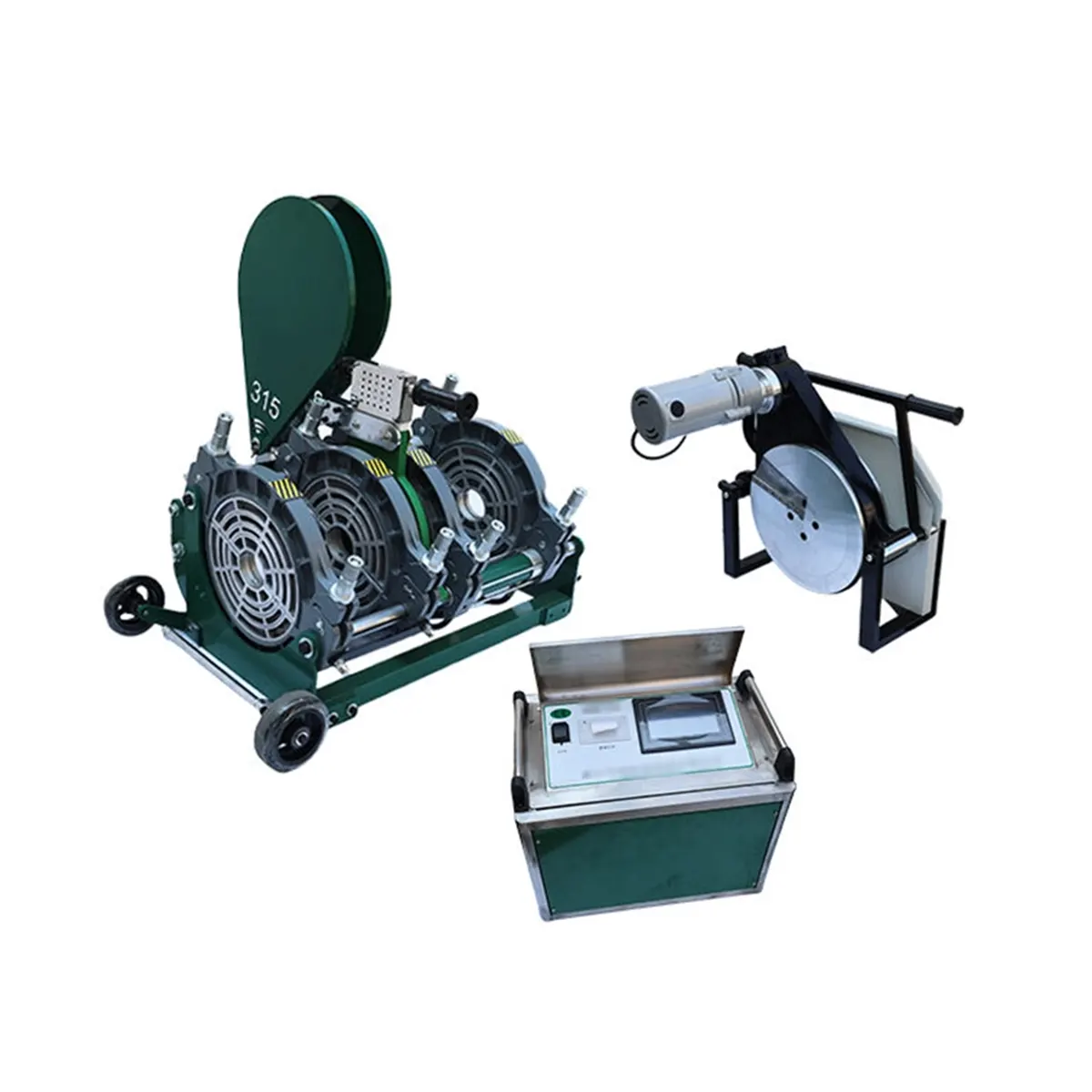
Comparison Table — Representative Models & Use Cases
| Model | Suitable Pipe OD | Automation | Ideal Projects |
|---|---|---|---|
| Compact Manual Units | 20–160 mm | Manual | House connections, repairs |
| Hydraulic Bench Machines | 160–800 mm | Hydraulic | Municipal mains, irrigation |
| CNC Automatic Systems | 250–2000+ mm | Automatic (CNC) | Large trunk mains, industrial projects |
Installation & Best Practices for Greek Conditions
Preparation: Clean and align pipe ends carefully; Greece’s coastal sites often introduce sand and salt contamination—proper cleaning prevents defects.
Temperature control: Follow fusion heating protocols closely. For island breezes or high-altitude wind, use wind shields and steady clamping to maintain even heating and pressure.
Skilled operators: Invest in operator training for consistent weld quality—contractors in Greece value rapid yet certified installation teams who can meet municipal tender standards.
Maintenance, Calibration & Support
Regular maintenance—calibrating pressure gauges, replacing worn heating plates, and checking clamp alignment—extends machine life and ensures repeatable weld integrity. For sourcing and technical assistance, consider suppliers with clear spare parts availability and field support.
Why Trusted Manufacturing Matters
Reliable build quality reduces downtime and warranty issues on critical water and gas networks. If you need a supplier experienced in global butt fusion solutions, JQ-Fusion offers a broad range of manual, hydraulic, and CNC automatic HDPE welding machines suited to diverse project scales.
For procurement planning, request on-site demonstrations, ask for welding procedure specifications (WPS), and verify compatibility with local tender requirements and EU construction norms.



