
Hydraulic butt fusion machines are essential for Brazil’s expanding pipeline projects — from municipal water networks in São Paulo to agricultural irrigation systems in the Cerrado and gas distribution upgrades in the southern states. This guide helps Brazilian contractors, distributors, and engineers evaluate reliable manufacturers and suppliers, choose the right equipment, and ensure long-term performance on site.
Why Hydraulic Butt Fusion Fits Brazilian Projects
Hydraulic butt fusion welding delivers consistent, high-strength joints for HDPE pipes used across Brazil’s diverse climates. The method is especially valuable where durability, leak-free performance, and fast onsite operation matter — for example, in coastal corrosion-prone areas, remote Amazon Basin works, and large agricultural developments. Hydraulic systems provide controlled pressure and smooth alignment, reducing weld failures and reworks in harsh field conditions.
Key Features Brazilian Buyers Should Prioritize
Look for machines with:
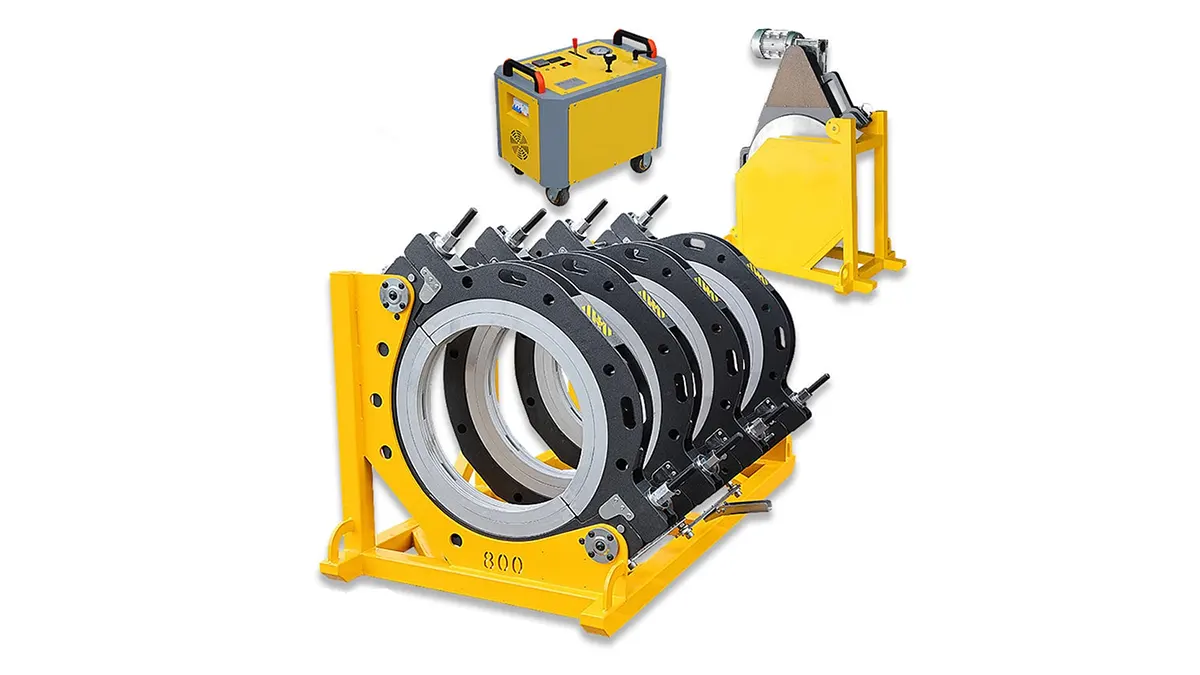
– Stable hydraulic systems for precise pressure control;
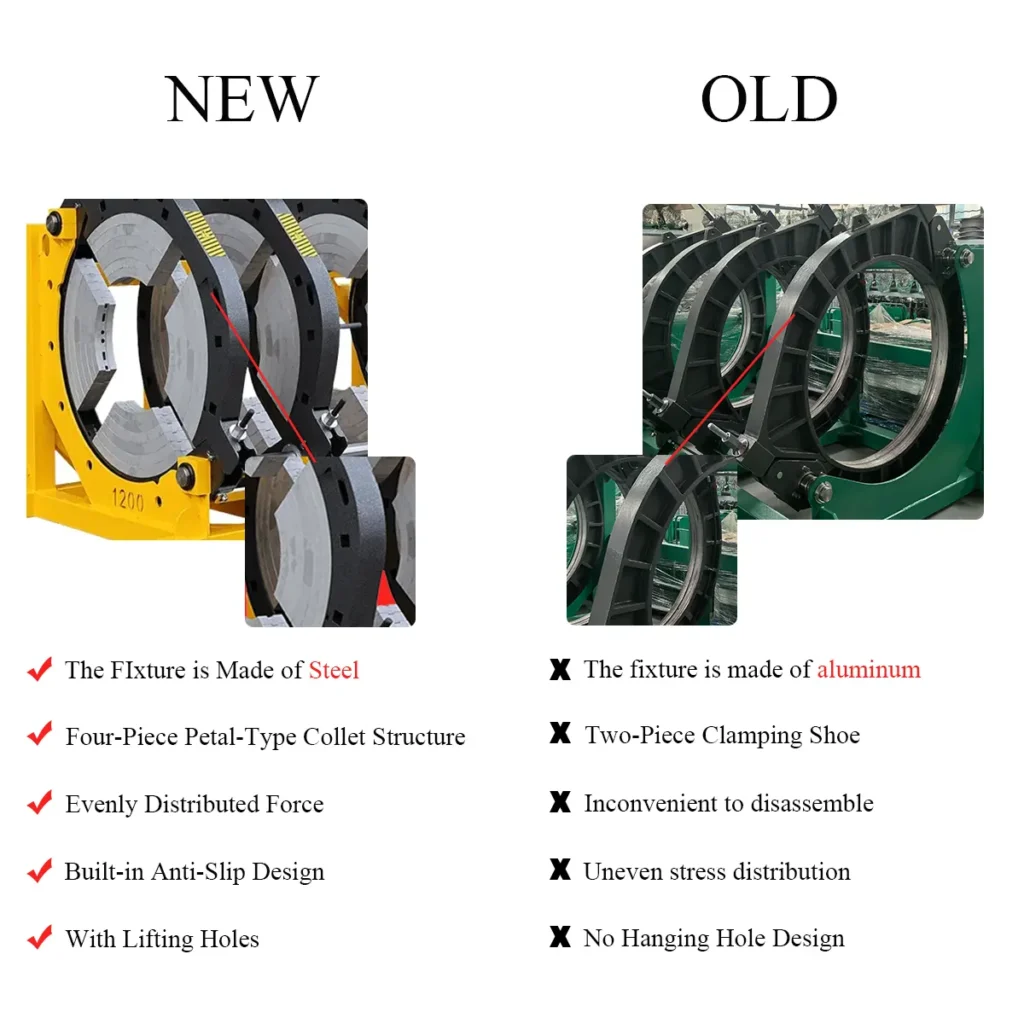
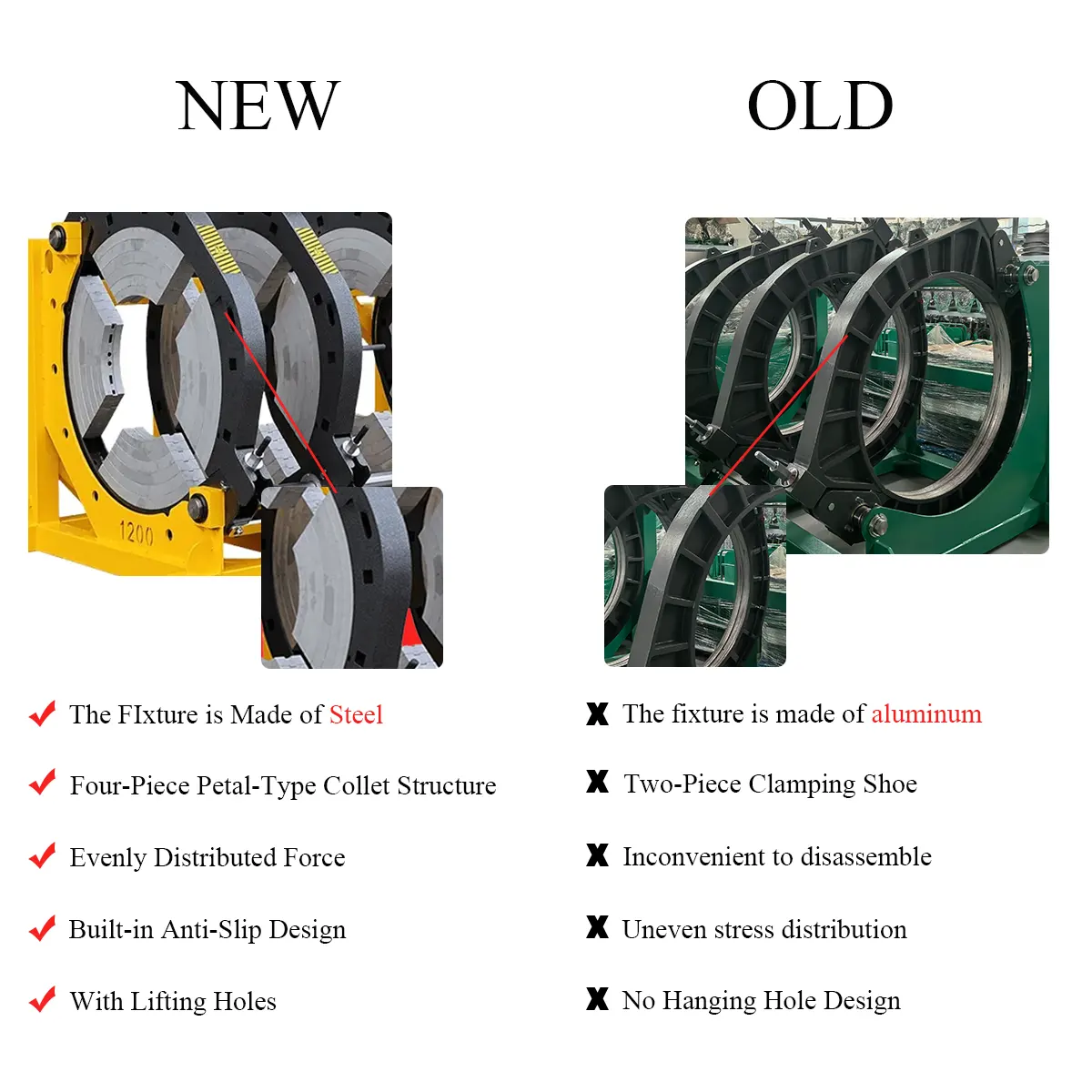
– Accurate alignment clamps to handle a wide range of diameters;
– Robust heating plates with even temperature distribution;
– Portable frames and modular components for work in remote areas;
– Clear operating interfaces and safety features to speed crew training.
Quick Comparison: Typical Hydraulic Models & Uses
| Model (example) | Pipe Diameter Range | Typical Application |
|---|---|---|
| JQH250 / small hydraulic units | 20–250 mm | Local water networks, irrigation lines |
| JQH630 / medium capacity | 250–630 mm | Municipal pipelines, medium industrial lines |
| Large-diameter hydraulic frames | 630–2000+ mm | Major water transmission, large industrial projects |
Choosing Reliable Manufacturers and Suppliers in Brazil
When sourcing hydraulic butt fusion equipment in Brazil, prioritize suppliers that offer local technical support, easy access to spare parts, and clear warranty terms. Verify CE/ISO certifications, ask for welding procedure records, and request references from similar projects in Latin America. Logistics considerations are important — suppliers that coordinate shipments through major ports like Santos or Paranaguá and offer customs support will shorten delivery times.
Service, Training, and Spare Parts — What Brazilian Teams Need
For contractors and municipal crews, reliable after-sales service is as important as machine quality. Look for suppliers that provide onsite training, remote troubleshooting, and stocked spare parts in regional warehouses. Regular calibration of pressure systems and replacement heating plates should be supported by clear maintenance plans. This minimizes downtime on critical water and gas projects across Brazil.
Selecting a Partner: Practical Steps
– Request performance data and sample weld test reports;
– Confirm availability of operator training in Portuguese;
– Ensure warranty coverage and a fast spare-parts channel;
– Compare total cost of ownership, not just purchase price.
For reliable butt fusion equipment and tailored solutions for Brazilian infrastructure projects, learn more from JQ-Fusion.



