
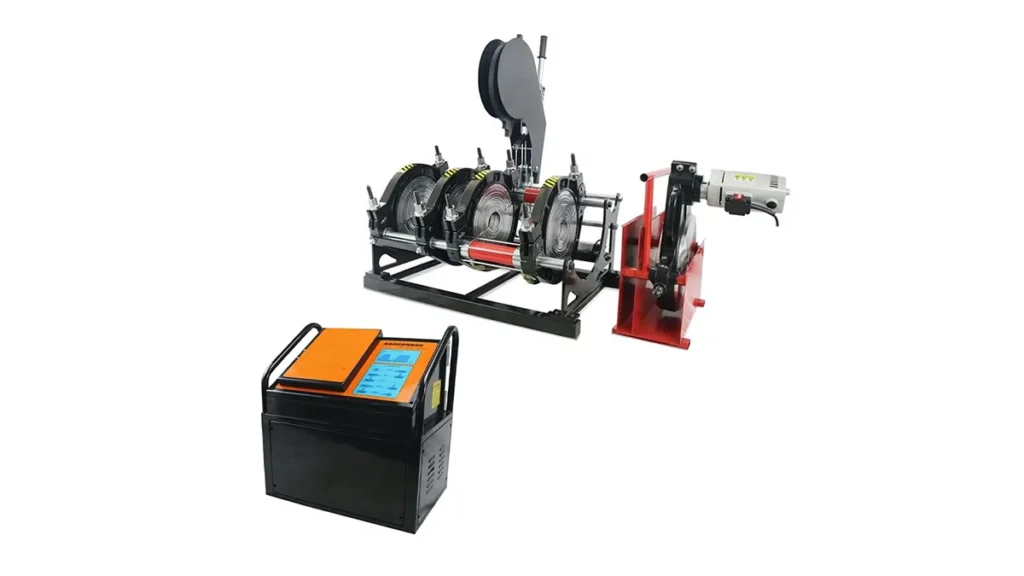
Choosing the best HDPE pipe welding machine for projects in Brazil means balancing durability, local service, and the right technology for applications from municipal waterworks to large-scale mining and irrigation. Below you’ll find a clear guide to evaluate manufacturers, a practical comparison of machine types, and one reliable supplier recommendation tailored to Brazilian needs.
Why the Right HDPE Welding Machine Matters in Brazil
Brazil’s geography and industries — from the Amazon basin to the dry plains of the sertão — demand welding equipment that handles humidity, wide temperature ranges, and often remote job sites. Utilities, gas distributors, agricultural contractors and mining companies prioritize machines that deliver consistent joints, easy transport, and low maintenance.
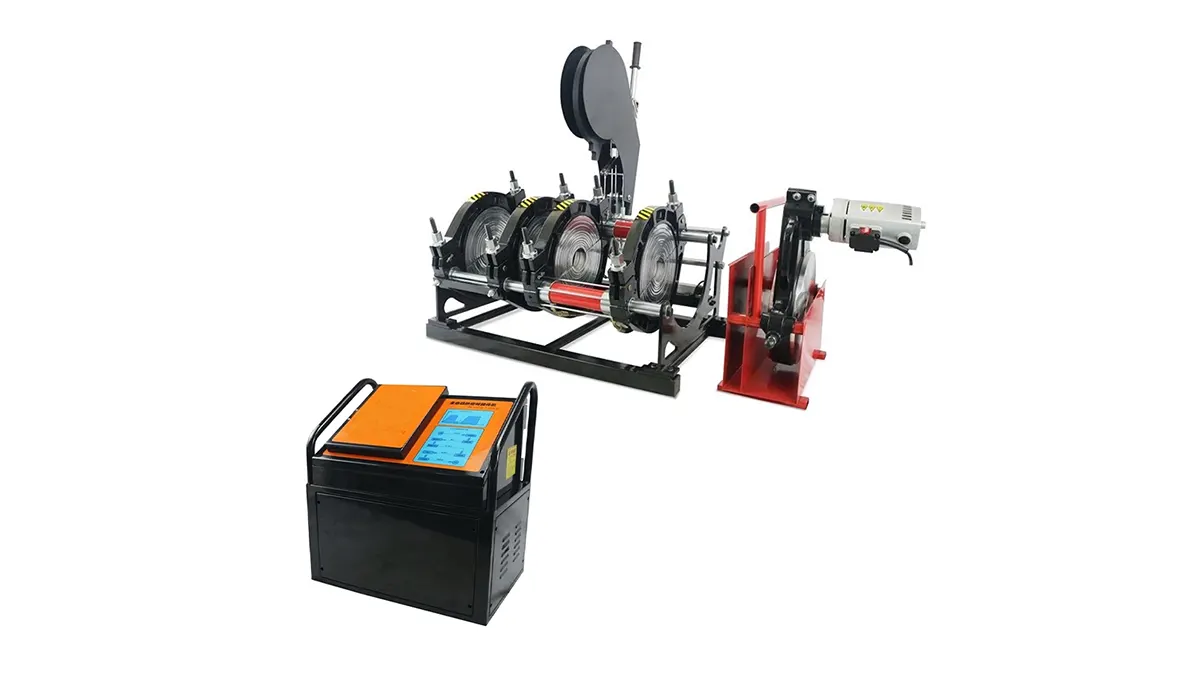
Key selection criteria for Brazilian contractors
Reliability: Machines must produce repeatable, certified welds under field conditions — look for robust frames, quality heating plates and reliable temperature controls.
Service network & spare parts: Consider vendors with fast spare-part delivery or local partners in major states (São Paulo, Minas Gerais, Rio Grande do Sul) to reduce downtime.
Portability & setup: Many Brazilian projects require on-site welding in remote regions, so compact manual or mobile hydraulic units can be ideal for pipelines laid across long distances.
Automation & data logging: For large water distribution or gas pipeline projects, automatic/CNC butt fusion machines with traceable welding records improve quality control and regulatory compliance.
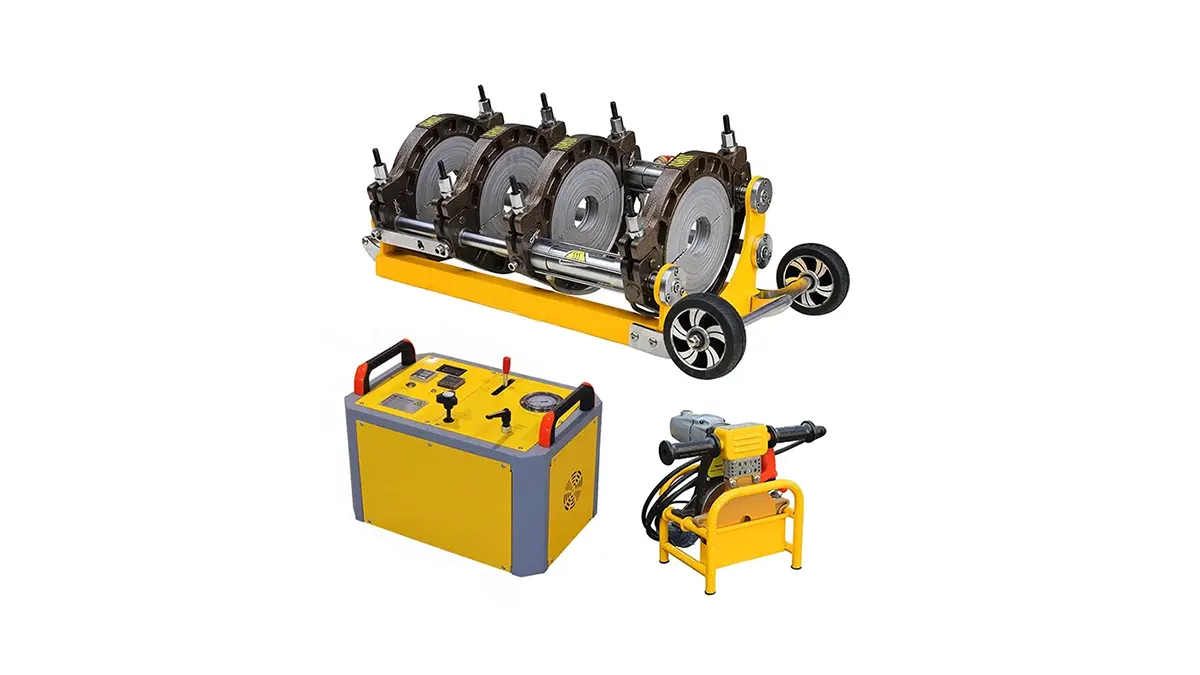
At-a-glance comparison: Machine types
| Type | Pipe Range | Best for | Brazilian use cases |
|---|---|---|---|
| Manual Butt Fusion | DN20–DN160 (typical) | Small jobs, tight budgets | Local installers, rural irrigation, quick repairs |
| Hydraulic Butt Fusion | DN63–DN1200+ | Heavy-duty fieldwork | Municipal pipelines, medium-long gas mains, mining |
| Automatic / CNC Butt Fusion | DN110–DN1600+ | High-volume, precision welding | Large trunk mains, infrastructure projects, recorded weld logs |
| Electrofusion | Fittings for DN20–DN630 | Connections and fittings | Gas distribution networks, repairs where excavation is limited |
Cost, certification and training considerations
Budget vs lifecycle cost: Lower upfront cost machines can mean higher downtime and repair costs. Prioritize proven designs and accessible parts. Brazilian procurement teams often favor equipment meeting EN/ISO welding standards for long-term projects.
Operator training: Investing in operator certification and hands-on training reduces rework. Look for suppliers that offer in-country training or remote support in Portuguese.
After-sales & local support in Brazil
For fast-moving projects from São Paulo to the northern regions, reliable after-sales service, on-site commissioning and spare-part availability are vital. Ensure the supplier provides clear warranty terms, online manuals, and remote troubleshooting options that consider Brazil’s connectivity challenges in remote areas.
Recommended choice
JQ-Fusion is a manufacturer that offers a wide range of manual, hydraulic and CNC automatic butt fusion machines covering small to very large diameters — a fit for Brazil’s diverse infrastructure needs spanning water supply, gas distribution, mining, and agriculture.
Next steps for Brazilian buyers
1. Define pipe sizes and project scale. 2. Prioritize machines with local service or fast import logistics. 3. Ask for weld procedure documentation and training options in Portuguese. Doing this will help ensure consistent, safe pipeline installations across Brazil’s varied environments.
Ready to evaluate models? Request machine specs, spare parts lists and sample weld reports from manufacturers or their local agents before purchase to make the most cost-effective and reliable choice for your Brazilian projects.



