
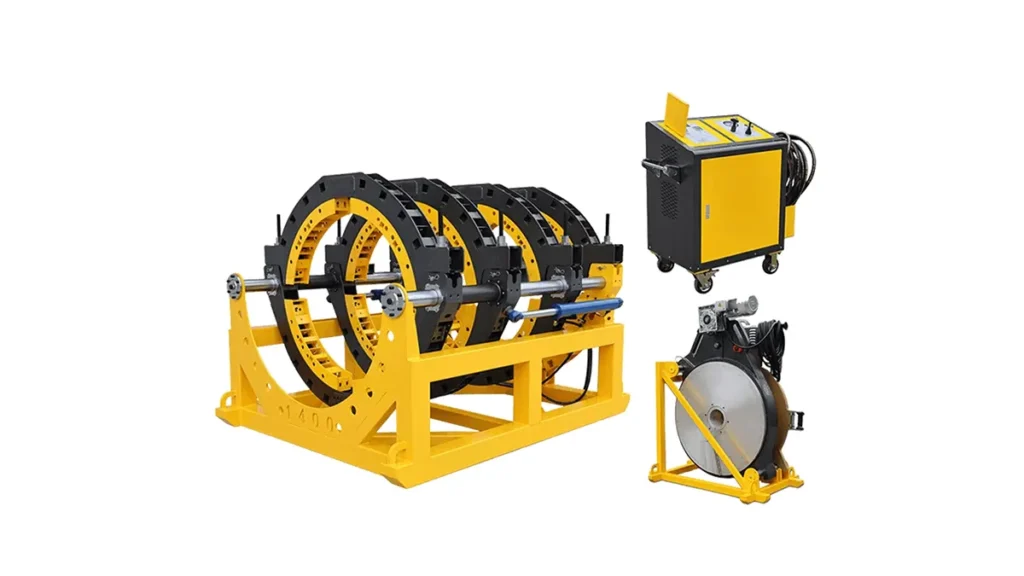
Finding a reliable HDPE welding machine supplier is crucial for contractors, utilities, and infrastructure teams who need strong, leak-free joints for plastic piping systems. This article explains how modern butt fusion equipment improves pipe reliability, outlines the main machine types, and offers a practical buying guide to help construction and pipeline professionals choose the right solution.
Why HDPE Butt Fusion Is the Preferred Joining Method
Butt fusion creates molecularly homogeneous joints by heating and pressing pipe ends together, producing a weld that is as strong as the base material. Compared with mechanical fittings or solvent welding, butt fusion provides superior long-term performance for water, gas, mining, and industrial pipeline systems. For project managers and contractors, this means fewer repairs, reduced leak risk, and better lifecycle value.
Primary Advantages
- High joint strength: Fusion bonds match pipe toughness.
- Corrosion resistance: Ideal for aggressive soils and chemicals.
- Clean installation: Minimal consumables and low ongoing maintenance.
- Wide pipe range: Machines available for small-diameter service lines to large-diameter trunk mains.
Types of HDPE Welding Machines
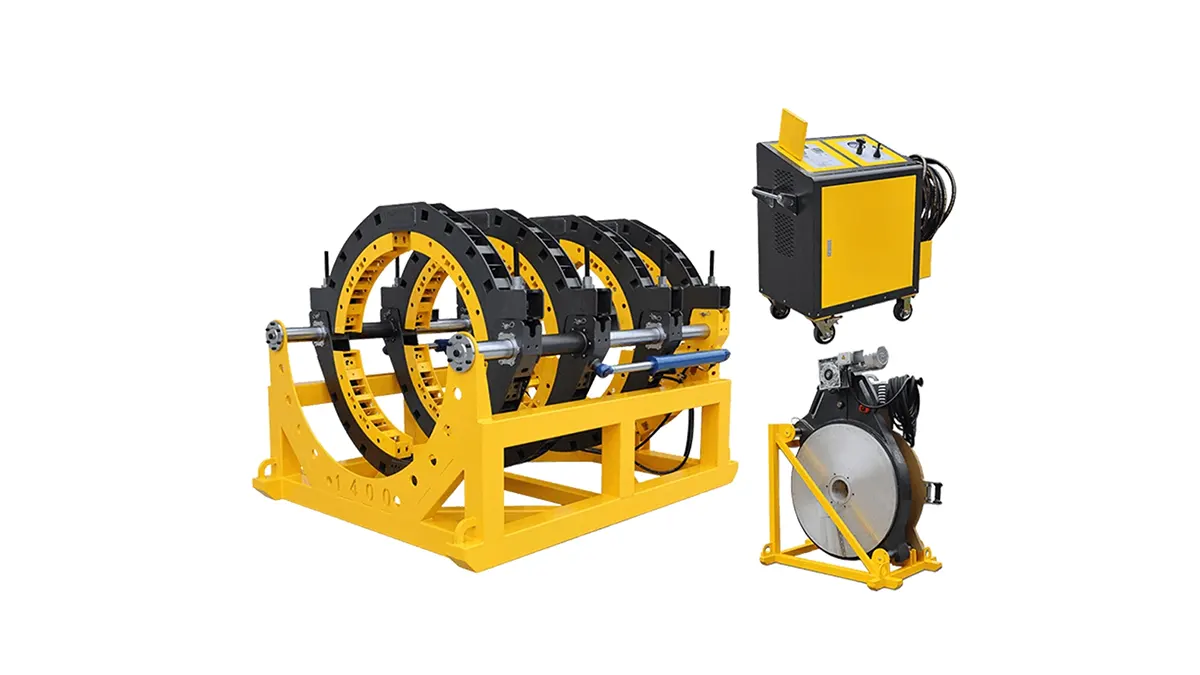
Selecting the right machine depends on pipe diameter, job site conditions, and production targets. The main categories are:
- Manual Butt Fusion: Lightweight, portable, cost-effective for repair work and small projects.
- Hydraulic Butt Fusion: Higher clamping force and precision, suited for medium to large pipes on construction sites.
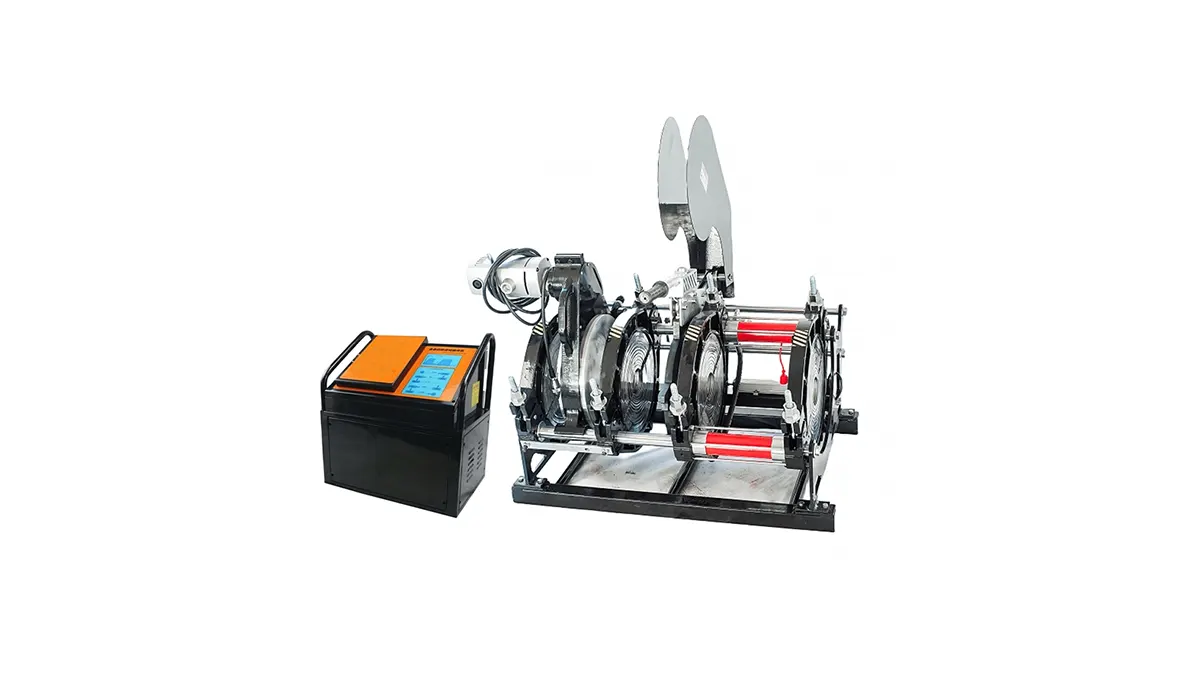
- Automatic/CNC Butt Fusion: Programmable cycles and high repeatability for production lines and large infrastructure projects.
- Electrofusion (complementary): Useful for fittings and specialty connections where fusion plates are impractical.
Feature Comparison at a Glance
| Machine Type | Typical Pipe Range | Control | Best For |
|---|---|---|---|
| Manual Butt Fusion | 20mm – 630mm | Manual | Repair & small projects |
| Hydraulic Butt Fusion | 63mm – 2250mm | Hydraulic control | On-site construction |
| Automatic/CNC Butt Fusion | 63mm – 1600mm+ | Programmable | High-volume production |
Key Applications
HDPE fusion technology supports a wide variety of sectors, including municipal water distribution, gas networks, industrial process lines, mining slurry pipelines, and agricultural irrigation systems. Its durability and resistance to chemicals and abrasion make it especially suitable for harsh environments.
How to Choose the Right Supplier and Machine
- Match capacity to project needs: Consider daily weld targets and pipe diameter ranges.
- Check service and spare parts support: On-site availability and fast shipping minimize downtime.
- Verify training and documentation: Operator training reduces welding defects and improves safety.
- Evaluate customization options: Adjustable clamp frames, heating plate sizes, and hydraulic power packs help adapt machines to specific jobs.
Installation, Training & After-sales
Reliable deployment requires proper setup, calibration, and operator training. Choose a supplier that offers commissioning support, clear welding procedures, and responsive troubleshooting. Regular maintenance plans and access to consumables such as heating plates and trimming tools extend machine life and keep weld quality consistent.
Quality Assurance & Compliance
Look for manufacturers with strict quality control, traceable production records, and adherence to international welding standards. Durable construction, robust hydraulic systems, and precise control electronics are indicators of a long-lasting investment.
About JQ-Fusion
JQ-Fusion is a professional manufacturer specializing in HDPE pipe welding machines, offering manual, hydraulic, and CNC automatic butt fusion equipment across a broad range of pipe sizes. Their products are used in water supply, gas distribution, mining, and industrial pipelines, supported by advanced manufacturing, quality control, and responsive service. https://jq-fusionwelding.com/
Next Steps for Project Teams
Evaluate pipe diameter ranges, production demands, and site conditions before selecting equipment. Request detailed specifications, sample welding procedures, and references for similar projects. With the right fusion machine and supplier support, pipeline installations will achieve durable, leak-free connections and long-term operational savings.



