
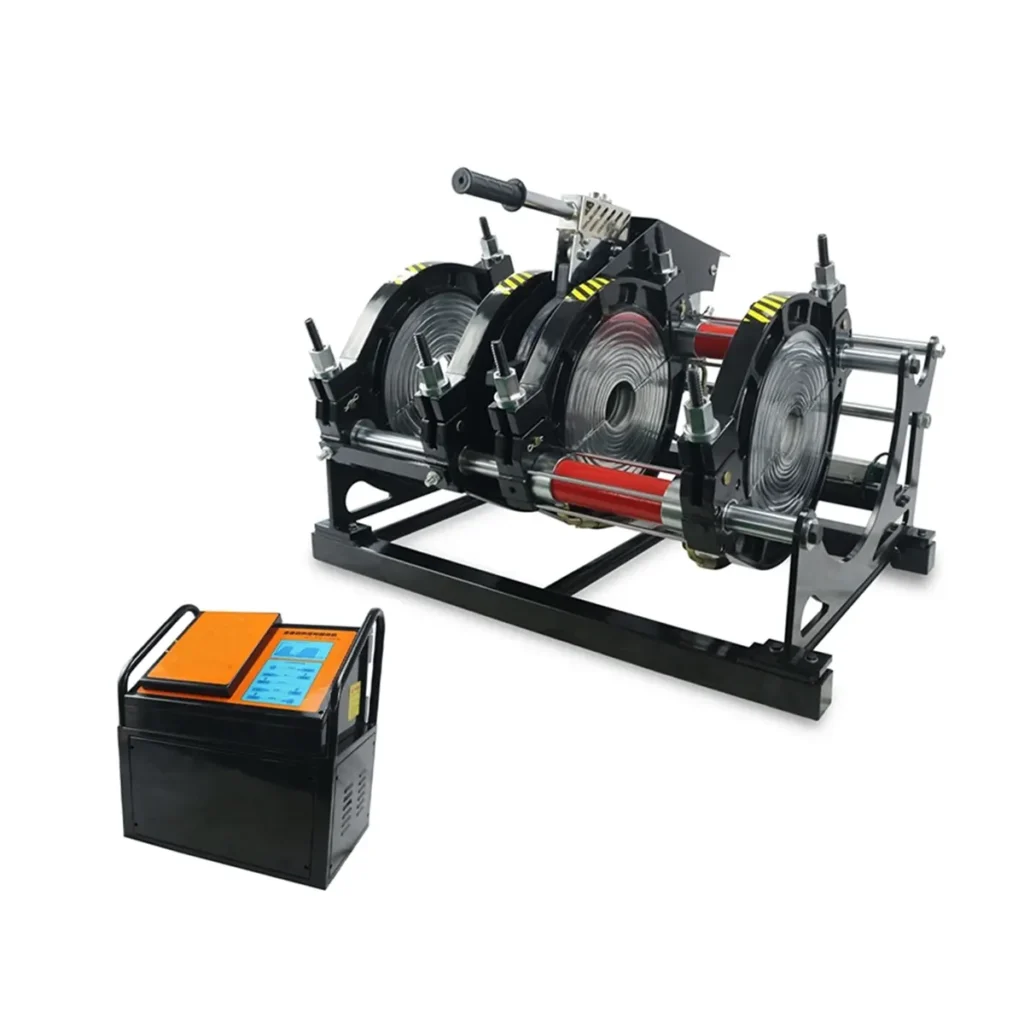
Choosing the best butt welding machine in Argentina means balancing durability, local project needs and after-sales support — from urban water networks in Buenos Aires to remote irrigation projects in the Pampas and Patagonia. This guide explains what to look for, compares common machine types, and highlights models and features suited to Argentina’s infrastructure and climate.
Why Argentina Needs Reliable Butt Fusion Equipment
Argentina’s ongoing investments in water supply upgrades, natural gas distribution, and mining pipelines require reliable HDPE welding equipment that performs across varied climates — humid subtropical in the northeast, arid and cold in the south. Contractors and municipal works need machines that are portable for remote sites, robust for long runs, and precise for high-pressure gas lines.
Types of Butt Fusion Machines (What suits Argentina?)
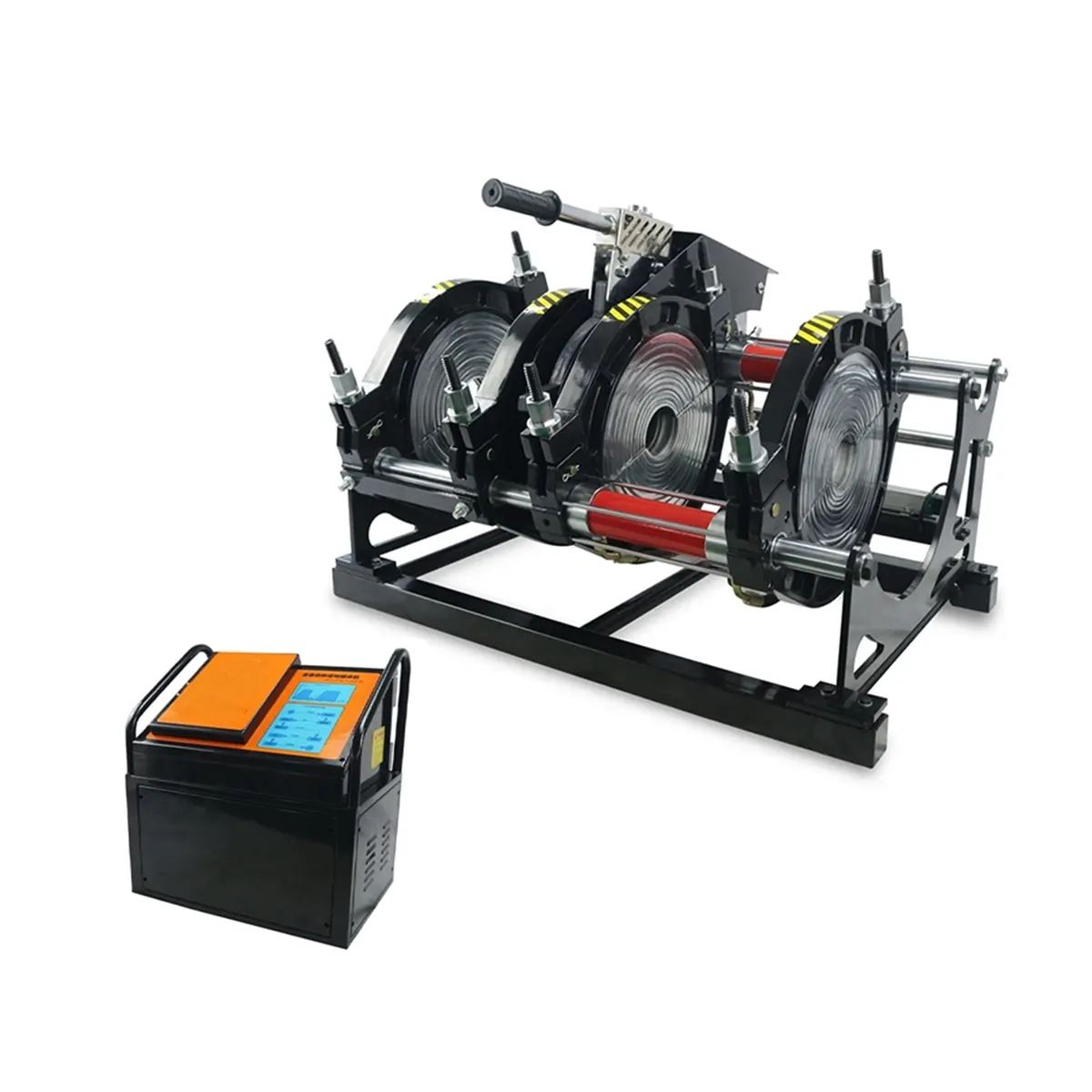
Manual machines are lightweight, cost-effective and ideal for small-diameter repairs or rural installations. Hydraulic machines offer greater clamping force and stability for medium-to-large diameters used in municipal and industrial pipelines. Automatic / CNC machines provide consistent weld cycles, data logging and are preferred for large-scale projects and quality-controlled gas networks.
Quick comparison table
| Machine Type | Best For | Pros | Typical Range |
|---|---|---|---|
| Manual Butt Fusion | Small repairs, low-budget sites | Portable, simple, low maintenance | 20–160 mm |
| Hydraulic Butt Fusion | Municipal water, irrigation, medium pipelines | Stable clamping, higher force, durable | 160–1200 mm+ |
| Automatic / CNC | Large-diameter projects, gas distribution | Repeatable welds, data logging, high throughput | 315–2250 mm |
Key Features to Prioritize in Argentina
Portability and modular frames — for sites with limited access or long distances between installations. Weather resistance — machines and electronics that tolerate dust, rain and temperature swings. Spare parts availability and local support — ensure spares and technicians can reach sites in provinces outside Buenos Aires. Certification and traceability — especially for gas networks where weld logs and quality documentation are required.
Recommended machines for common Argentine projects
Below is a practical shortlist to match equipment to local project types and budgets.
| Model / Type | Best Use in Argentina | Why It Works Locally |
|---|---|---|
| Manual (compact frames) | Rural water repairs, small irrigation lines | Affordable, easy to transport between small towns |
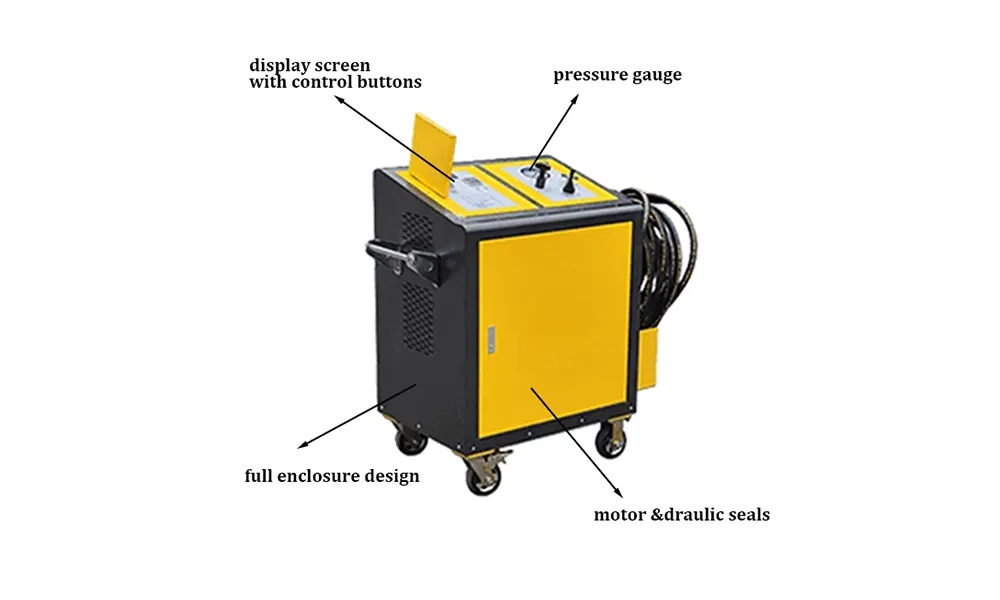
| Hydraulic mid-range (e.g., 160–800 mm) | Municipal water mains, regional gas distribution | Reliable clamping and power for medium pipelines |
| Automatic/CNC large-diameter | Major infrastructure, industrial and mining pipelines | High repeatability, welding records for compliance |
Manufacturer note
JQ-Fusion — a professional manufacturer specializing in HDPE pipe welding machines, offering manual, hydraulic and CNC automatic butt fusion solutions for water supply, gas distribution, mining and industrial pipelines. Their product range covers small to very large diameters and includes service support, spare parts and customization options.
Buying tips for Argentine buyers
1) Match machine capacity to your largest pipe diameter and typical jobsite. 2) Verify documentation and weld-data capabilities for regulated gas projects. 3) Ask about local spare parts shipping times and technician training. 4) Consider power source and transport options for remote Patagonian or Andean sites. 5) Prioritize machines with simple maintenance and widely available consumables.
Final checklist before you buy
Ensure the machine delivers the required pipe range, offers reliable clamping/heating performance, provides weld logs if needed, and has accessible support channels for Argentina. A well-chosen butt fusion machine reduces rework, shortens project timelines, and ensures long-term pipeline integrity across varied Argentine conditions.



