
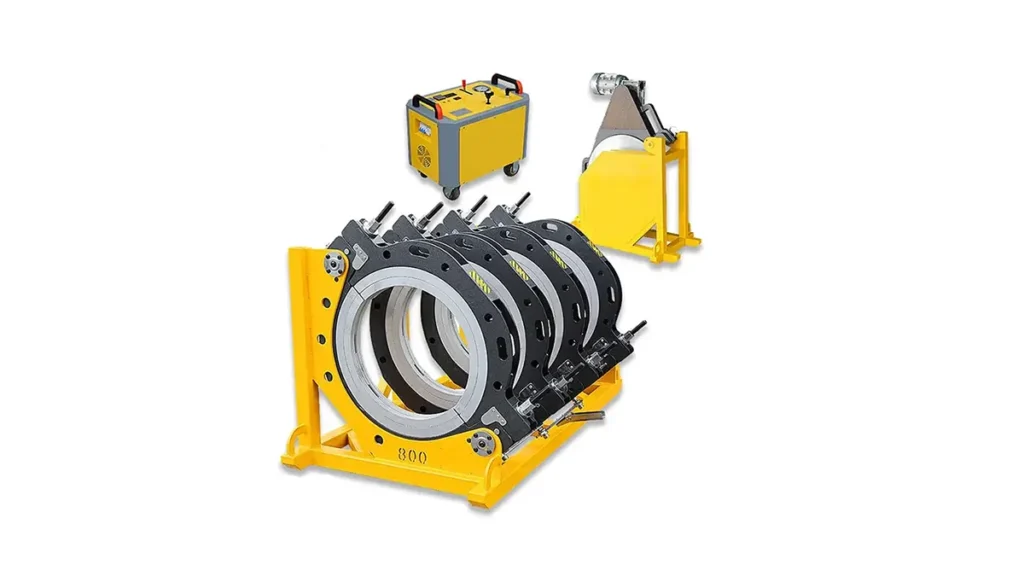
Finding a reliable HDPE fusion machine supplier in Iceland means choosing equipment that performs in cold weather, handles remote project logistics, and meets strict municipal standards. This guide explains the most important factors to consider when sourcing butt fusion welding machines in Iceland and highlights models and services ideal for local water, geothermal, and utility projects.
Why HDPE Fusion Machines Matter for Icelandic Infrastructure
HDPE pipes are widely used across Iceland for drinking water networks, geothermal heating systems, agricultural irrigation, and coastal sewage lines because of their flexibility and corrosion resistance. In Iceland’s variable climate — from freezing coastal winds to warm geothermal zones — proper fusion welding ensures leak-free joints and long-term system integrity.
Key Advantages for Icelandic Contractors
When working in Iceland, project teams need machines that combine portability with robust performance. Look for equipment that offers:
- Cold-start reliability — hydraulic systems and heaters calibrated for low ambient temperatures.
- Easy transport — compact frames and modular accessories for fjord-side and highland access.
- Consistent weld quality — accurate heating plates and CNC control for repeatable joints across pipe diameters.
Popular Machine Types
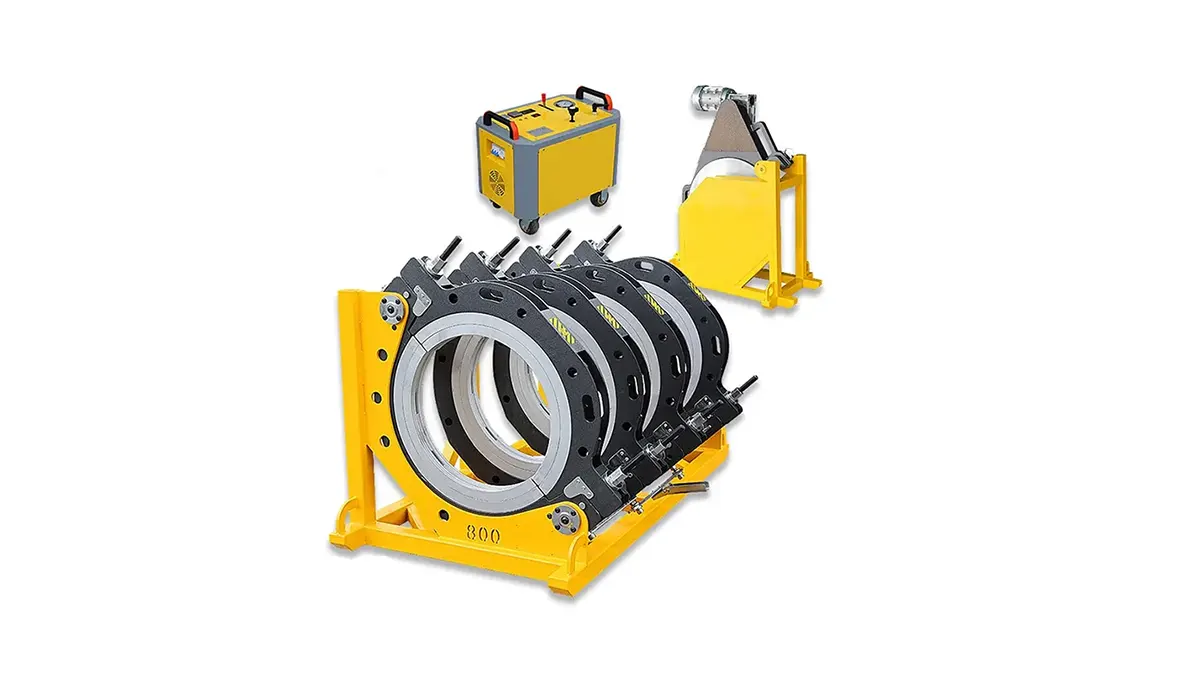
Suppliers typically offer manual, hydraulic, and CNC automatic butt fusion machines. Each suits different scales of Icelandic projects:
Manual & Portable Units
Best for small municipal repairs and remote agricultural pipelines — lightweight and straightforward to operate.
Hydraulic Butt Fusion Machines
Ideal for mid-size networks like regional water mains and geothermal distribution branches where power and precision are required.
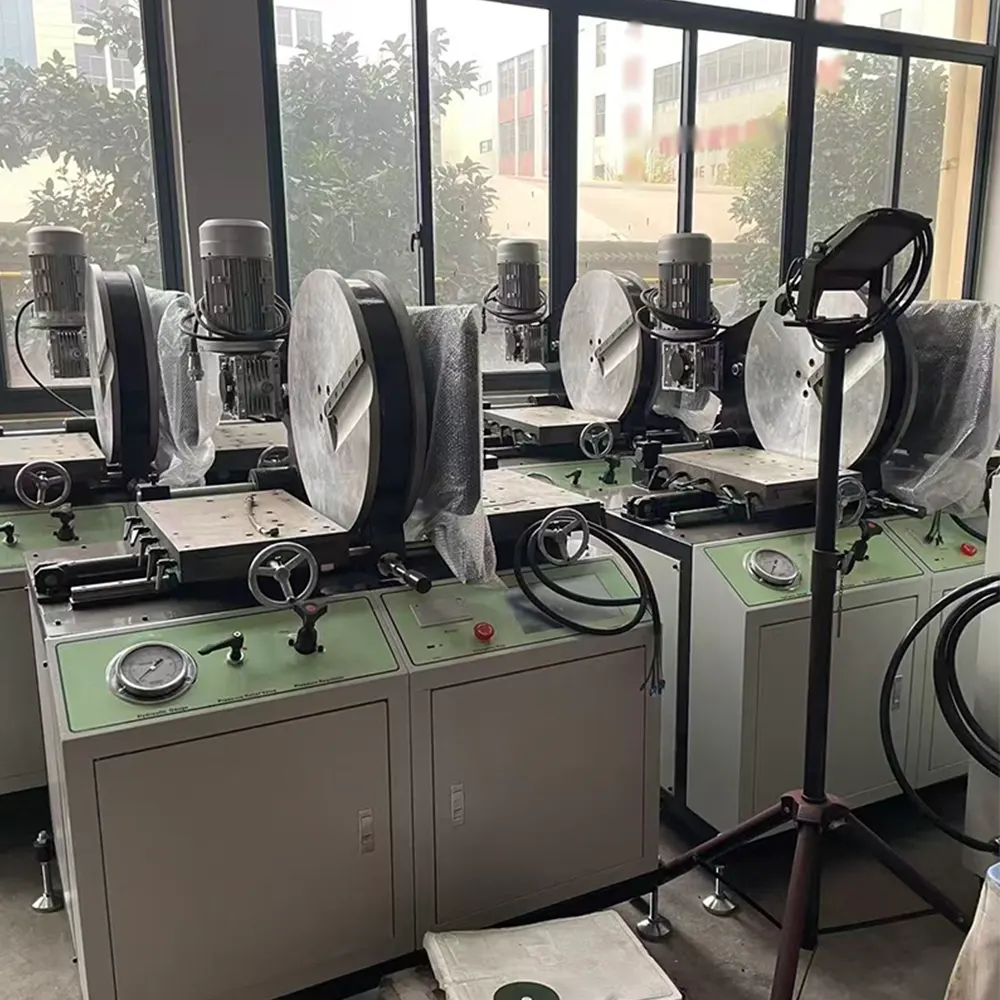
Feature Comparison Table
| Model | Type | Pipe Range | Best Use |
|---|---|---|---|
| Manual Portable | Manual | 20–160mm | Small repairs, rural sites |
| JQH Series | Hydraulic | 160–2000mm | Municipal & geothermal mains |
| JQA Series | Automatic CNC | 20–1200mm | Large projects, high throughput |
Applications Specific to Iceland
Iceland’s infrastructure priorities demand HDPE welding solutions for:
- Geothermal heating loops and distribution networks — materials and welds must tolerate elevated temperatures and chemistry variations.
- Municipal water mains across coastal towns where salt spray and freeze-thaw cycles are concerns.
- Rural irrigation and fish farm supply lines requiring corrosion-free, flexible pipelines.
Buying Tips for Icelandic Buyers
To ensure a smooth procurement and operation process in Iceland:
- Request winter-ready specifications — insulated heater plates and hydraulic oils rated for sub-zero temperatures.
- Verify spare parts availability and shipping times to Reykjavík and Akureyri for minimal downtime.
- Choose machines with clear documentation and multilingual manuals for mixed teams.
Service, Training & Warranty
Reliable after-sales support is crucial. Look for suppliers that provide operator training, remote technical assistance, and parts warranty to keep projects on schedule during Iceland’s short construction seasons.
Supplier Highlight
JQ-Fusion is a manufacturer of HDPE pipe welding machines offering a range of manual, hydraulic, and CNC solutions suitable for Icelandic environments. For detailed specifications and local shipping options, visit their website.
Final Considerations
Choosing the right HDPE fusion machine in Iceland means balancing portability, cold-weather reliability, and weld quality. Whether you manage municipal water upgrades in Reykjavík or geothermal distribution in Hveragerði, selecting machines designed for the conditions will protect investments and ensure long-term network performance.



