
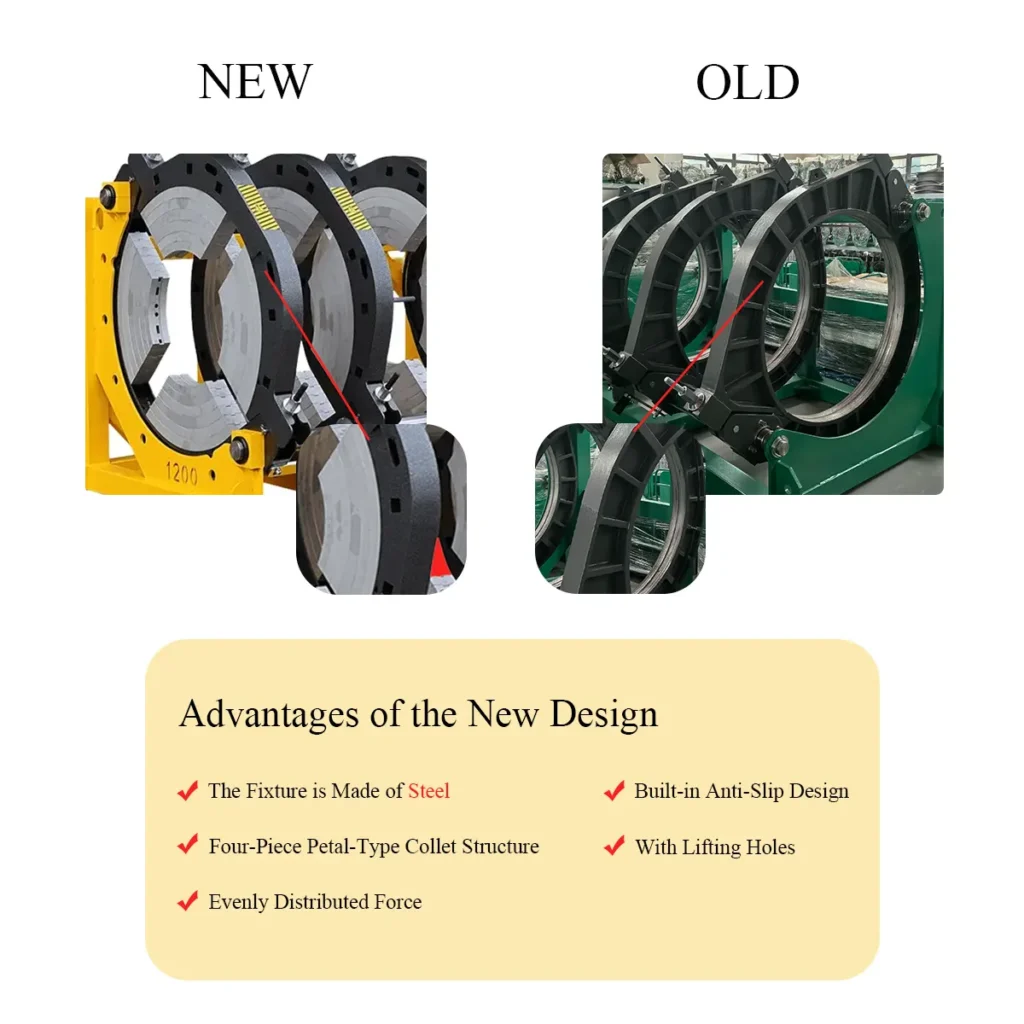
Pakistan’s infrastructure growth—driven by urban water projects, gas network expansion, and industrial pipelines—demands reliable HDPE pipe jointing solutions that perform under varied climates and rugged site conditions. Selecting the right pipe fusion equipment is critical for long-term pipeline integrity, project efficiency, and compliance with international welding standards.
Why Butt Fusion Is the Preferred Choice for HDPE in Pakistan
Butt fusion offers permanent, leak-free joints with mechanical strength comparable to the pipe itself. For Pakistani contractors working on water supply, irrigation, gas distribution, and mining projects, butt fusion reduces field failures and lowers lifecycle costs compared with mechanical fittings or solvent-based methods. Its suitability for large diameters and remote sites makes it an ideal method across urban and rural projects.
Solutions Tailored for Local Needs
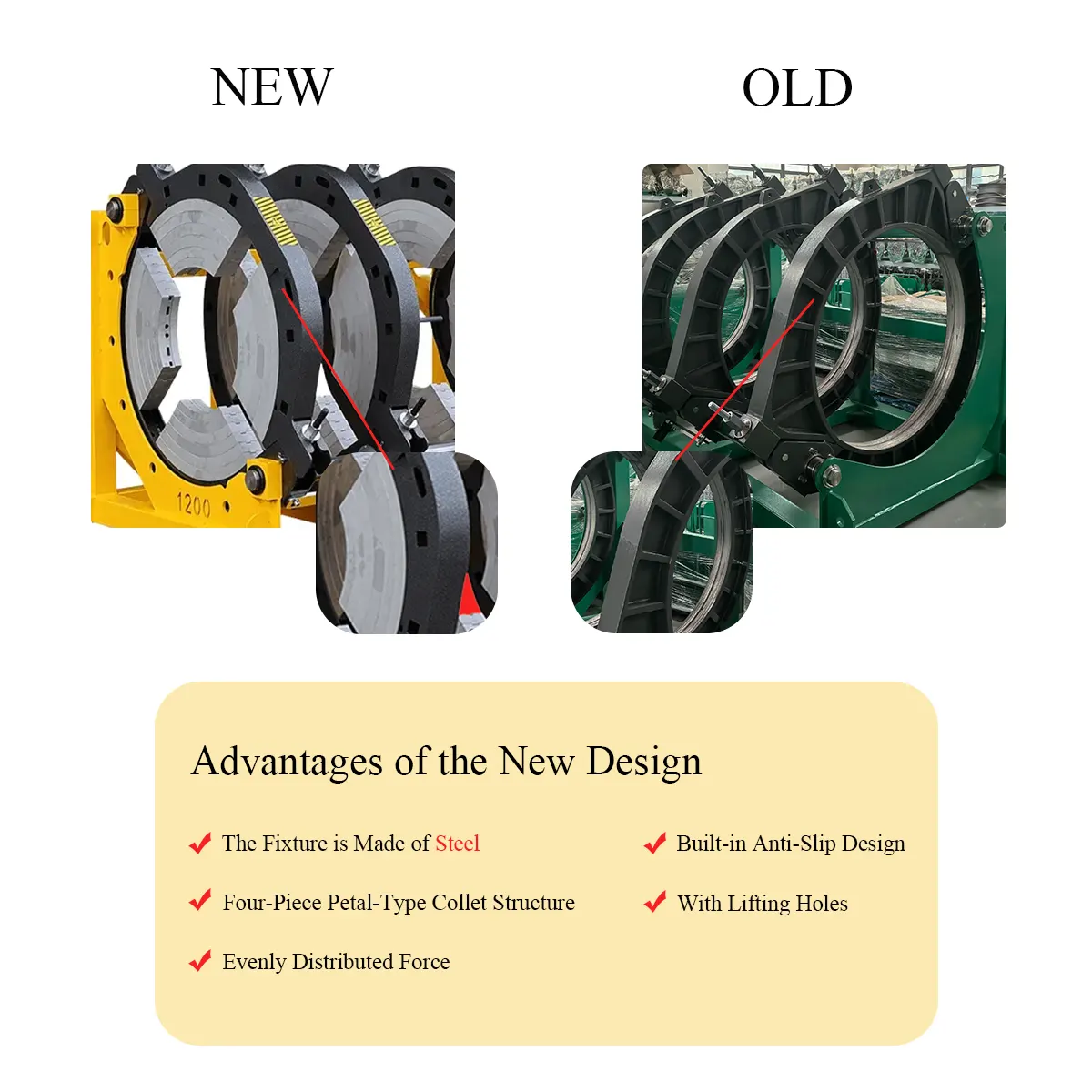
Across Pakistan’s provinces, from congested city streets in Karachi and Lahore to challenging terrains in Balochistan and Khyber Pakhtunkhwa, equipment must be robust, portable, and easy to service. JQ-Fusion manufactures a range of manual, hydraulic, and CNC automatic butt fusion machines that match these requirements, offering models suited to small-diameter distribution lines as well as large-diameter trunk mains.
Recommended Machine Types
Manual machines — ideal for small jobs and tight workspaces; Hydraulic machines — provide stable pressure and higher capacity for medium to large pipes; Automatic/CNC — best for high-volume projects and precise process control where documentation and repeatability matter.
| Model / Type | Pipe Range (mm) | Best For |
|---|---|---|
| Manual Butt Fusion | 16 – 315 | Small distribution & service lines |
| Hydraulic Butt Fusion | 63 – 1600+ | Medium to large mains, civil projects |
| CNC Automatic Butt Fusion | 63 – 630 (typical) | High-volume pipelines, precision welding |
Key Features to Prioritize
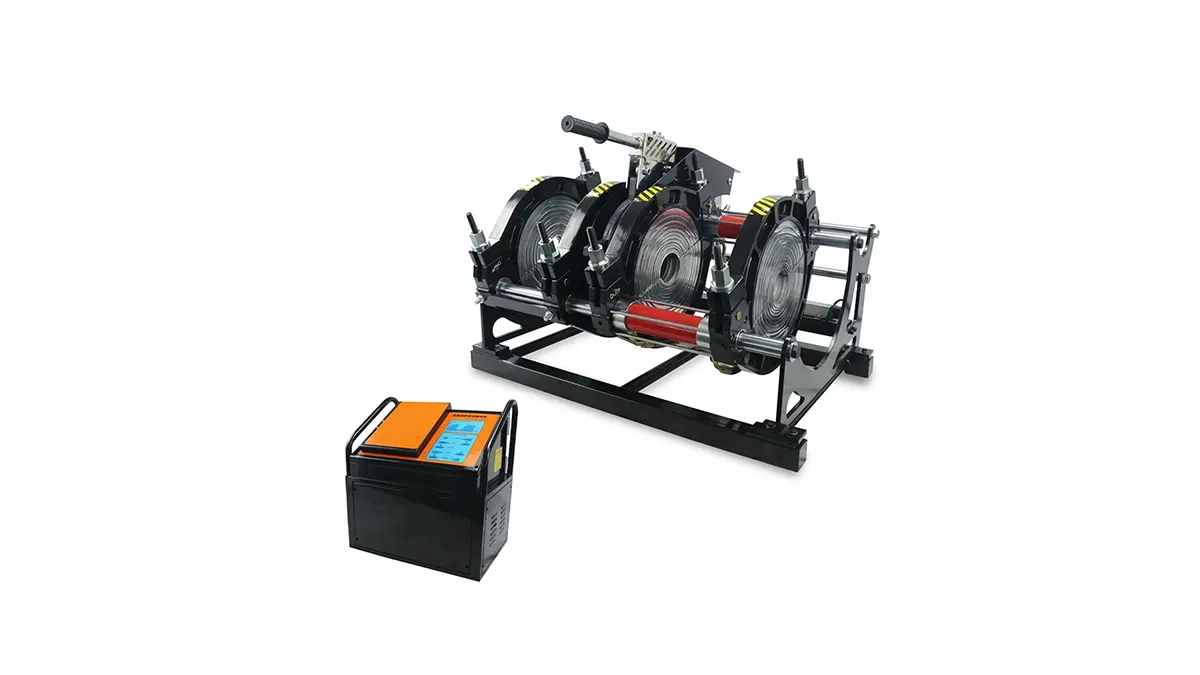
Durability: Machines should resist dust, heat, and rough handling common on Pakistani worksites. Reliable hydraulic systems and corrosion-resistant frames improve uptime.
Process Control: Temperature and pressure accuracy are essential for consistent weld strength—especially important for networks carrying potable water or gas.
Portability & Setup: Lightweight frames, quick-clamp chucks, and modular heating plates speed up field assembly and reduce labor costs on scattered job sites.
Maintenance, Parts & After-Sales
Availability of spare parts and local technical support dramatically shortens downtime. Choose equipment from suppliers that provide clear maintenance schedules, training materials, and replacement parts to keep projects on schedule throughout Pakistan’s diverse regions.
Training, Certification & Quality Assurance
Operators should be trained to national and international welding standards. Proper certification ensures weld quality and regulatory compliance for municipal and industrial projects. Investing in operator training reduces rework and increases pipeline longevity.
How Contractors in Pakistan Can Decide
Assess project scale, pipe diameters, and expected throughput. For one-off repairs or small network extensions, manual or small hydraulic units are cost-effective. For infrastructure programs—such as city-wide water upgrades, CPEC-related projects, or gas distribution expansions—automatic machines and larger hydraulics deliver consistent quality and higher productivity.
Final Considerations
When planning procurement, include shipping lead times, import duties, on-site training, and spare parts kits in the total cost of ownership. Prioritize machines with a proven track record, easy-to-read controls, and available technical documentation for seamless field operation.
For reliable butt fusion equipment that addresses Pakistan’s on-the-ground realities, consider partnering with an experienced manufacturer that offers a broad product range and responsive support.



