
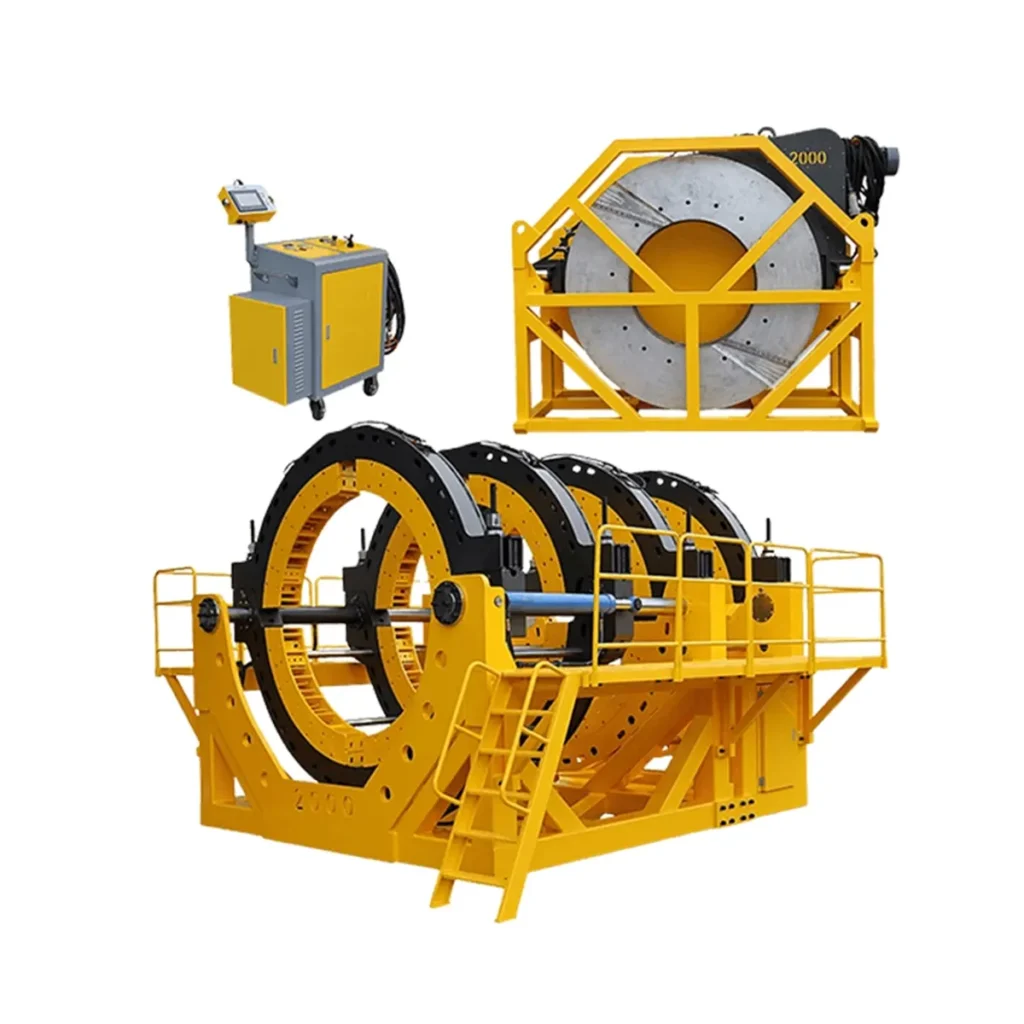
High-density polyethylene (HDPE) pipe systems demand precise, durable welding solutions to create strong, leak-proof joints that last decades. This guide explores the HDPE welding equipment most trusted on construction sites and infrastructure projects, helping engineers, contractors, and procurement teams select the right tools for consistent, high-quality butt fusion results.
Why HDPE Butt Fusion Matters for Leak-Proof Connections
Butt fusion welding melts the pipe ends and fuses them into a homogeneous joint. Compared to mechanical fittings or electrofusion in certain contexts, butt fusion yields a continuous polymer connection with excellent resistance to pressure, corrosion, and soil movement. For water distribution, gas networks, and sewer systems, a properly executed butt fusion joint is essential to prevent leaks and reduce long-term maintenance costs.
Core Benefits
Reliability: Consistent joint strength when equipment and procedures are followed. Durability: Joints handle thermal cycling and ground shift. Cost Efficiency: Lower lifecycle costs due to reduced repair frequency.
Types of HDPE Welding Equipment
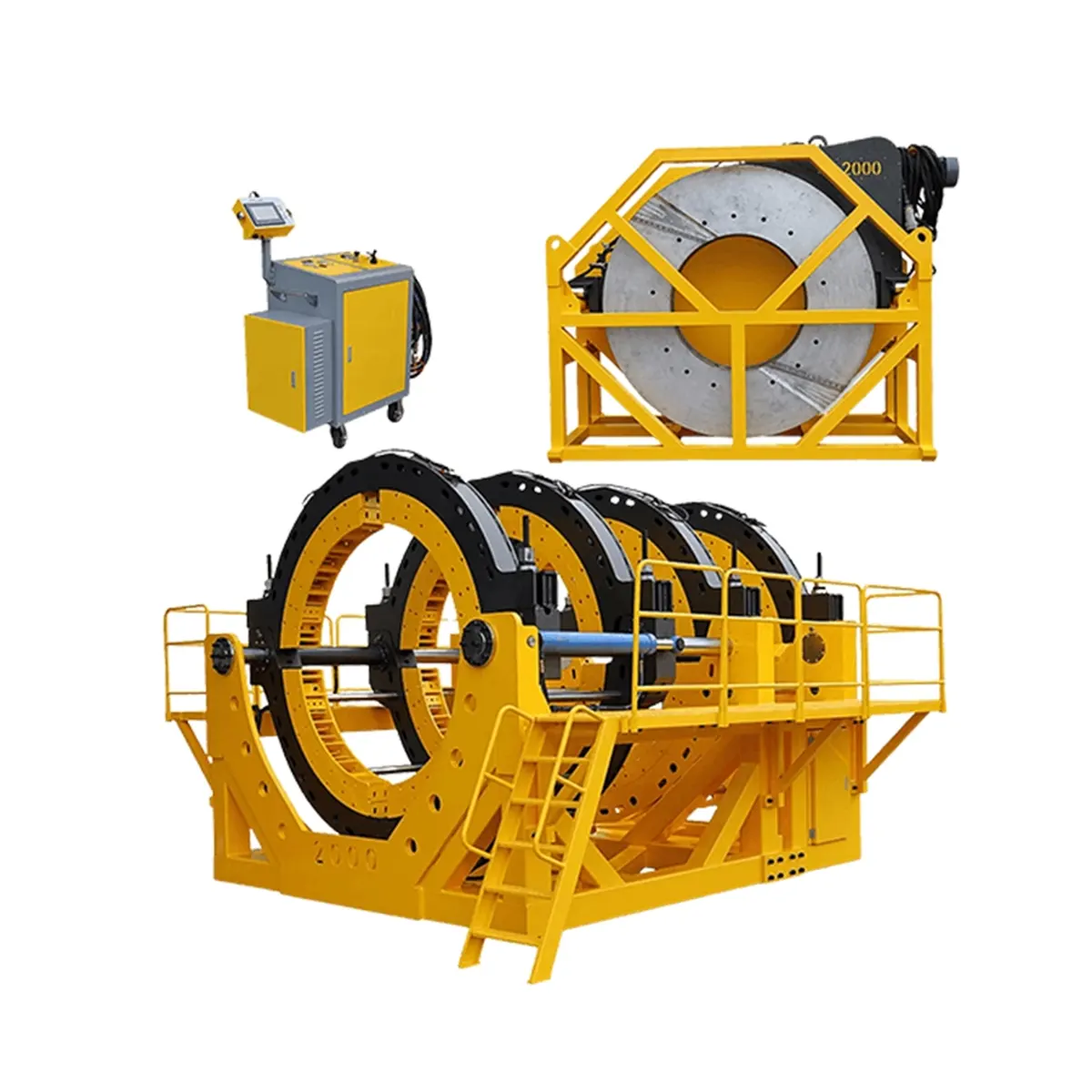
Choosing the right machine depends on pipe diameter, site conditions, and production volume. The three main categories are manual, hydraulic, and fully automatic / CNC machines.
Manual Butt Fusion Machines
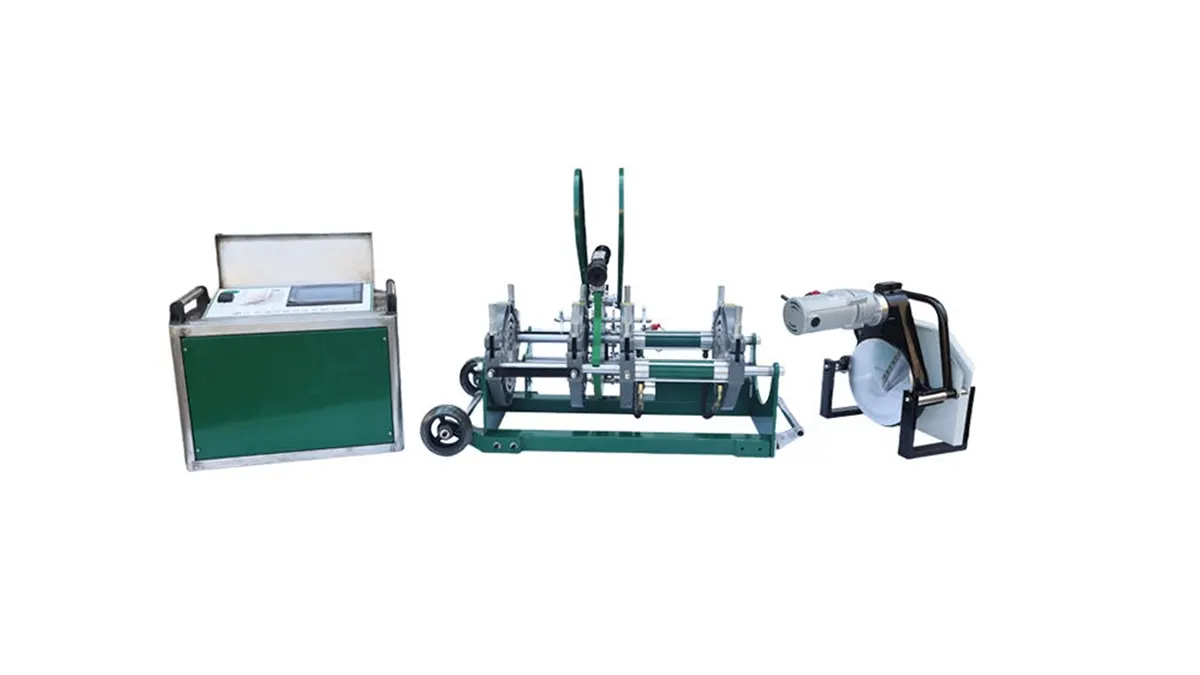
Best for small-diameter pipes and remote locations. Manual units are portable and simple to operate—ideal for service repairs or small distribution networks. Operators must ensure consistent heating times and proper alignment for reliable joints.
Hydraulic Butt Fusion Machines
Hydraulic units provide stronger clamping and controlled forces for medium to large diameters. They reduce operator fatigue and increase repeatability on pipeline construction sites. Many hydraulic models include precision alignment and trimming accessories to achieve flat, parallel pipe ends.
Automatic / CNC Butt Fusion Machines
For high-volume or critical applications, automatic machines control heating profiles, pressure cycles, and fusion times with digital accuracy. These systems minimize human error and provide weld records for quality assurance—important for utility contractors and large projects.
Quick Comparison Table
| Machine Type | Typical Pipe Range | Key Advantage | Best Use Case |
|---|---|---|---|
| Manual Butt Fusion | 16mm – 315mm | Lightweight, portable | Service repairs, rural sites |
| Hydraulic Butt Fusion | 63mm – 2250mm | High clamping force, precision | Trench pipeline construction |
| Automatic / CNC | 63mm – 2250mm+ | Digital control, traceability | Large projects, utility networks |
Best Practices for Strong, Leak-Proof Joints
Successful HDPE welding is more than equipment—it’s process control. Key factors include proper cleaning, accurate facing/trimming, consistent heating plate temperature, and following recommended soak and cool times. Always verify alignment and avoid contamination of the heating plate or pipe surfaces.
Operator Training & QA
Invest in operator training and implement weld recording when possible. For gas and potable water pipelines, documented weld logs and certified procedures are often mandatory. Regular calibration of heaters and pressure sensors reduces joint variability.
Maintenance and Site Safety Tips
Keep cutting tools sharp and maintain heater plate surfaces. Inspect hydraulic lines and electrical connections before each shift. On site, maintain a clean workspace, use protective gear, and follow local safety regulations. Proper maintenance extends machine life and preserves weld quality.
Applications Where HDPE Butt Fusion Excels
HDPE welding equipment is widely used in:
– Municipal water & wastewater networks
– Gas distribution systems
– Mining slurry and tailings pipelines
– Industrial process lines and corrosion-prone environments
Selecting the Right Equipment for Your Project
Match machine capacity to your pipe diameter range, production speed, and traceability needs. For contractors planning multiple large projects, a mix of hydraulic and automatic units can offer flexibility and productivity improvements.
One Trusted Source
JQ-Fusion (https://jq-fusionwelding.com/) designs and manufactures a wide range of butt fusion machines spanning manual to CNC automatic models, helping teams achieve consistent, leak-proof HDPE joints on projects worldwide.
Final Note
Investing in the right HDPE welding equipment and procedures yields long-term savings through fewer leaks, faster installation, and better network performance. Prioritize machine capability, operator training, and quality control to ensure every joint meets project specifications.



