
Looking for a reliable poly pipe fusion machine wholesaler in Pakistan? This guide helps contractors, municipal engineers, and irrigation specialists choose the right butt fusion equipment, compare typical prices, and understand local buying considerations — from on-site power to import logistics.
Why Butt Fusion Machines Matter in Pakistan
Butt fusion welding is the preferred method for joining HDPE and other thermoplastic pipes used across Pakistan’s water supply, gas distribution, and irrigation networks. Large infrastructure projects — municipal water schemes in Lahore and Karachi, agricultural drip irrigation in Sindh and Punjab, and industrial pipelines near ports and special economic zones — require durable, leak-free joints that fusion machines deliver.
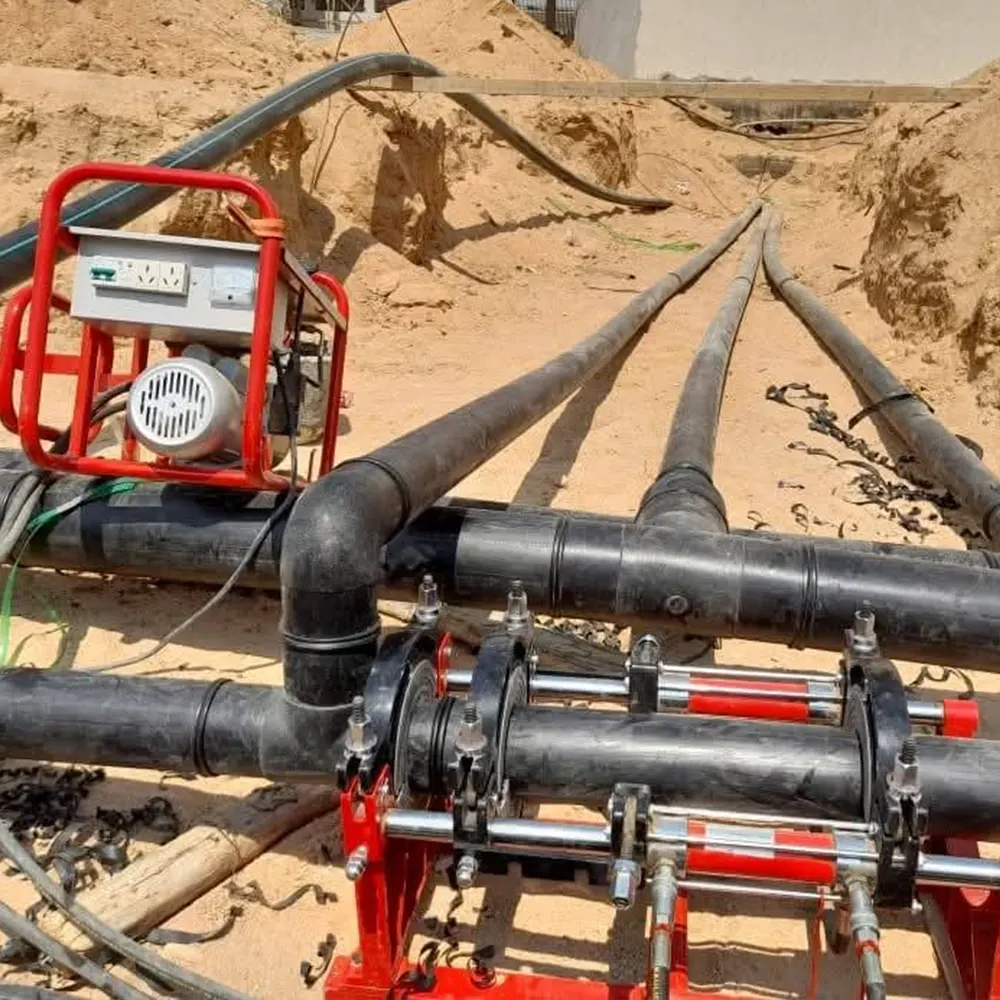
Types of Poly Pipe Fusion Machines
Manual Butt Fusion Machines
Compact and cost-effective for repair teams and small contractors. Ideal for pipes up to medium diameters and for work in tight urban or rural sites.
Hydraulic Butt Fusion Machines
Provide consistent pressure for larger diameters and longer runs. Common on municipal and large agricultural projects where repeatable weld quality is essential.
CNC / Automatic Butt Fusion Machines
Best for production yards and high-volume contractors. Offer programmable controls, data logging, and precise heating cycles for critical infrastructure contracts.
Multi-Angle & Fittings Welding Machines
Used for prefabrication of complex fittings and manifolds — useful in pipeline assemblies for gas distribution and industrial plants.
Price Guide for Buyers in Pakistan
The table below shows typical models and approximate price ranges. Prices vary by configuration, optional controls, and shipping to Pakistan (Karachi/Qasim). Use these as ballpark figures when requesting quotes.
| Model / Type | Pipe Range (mm) | Estimated Price (USD) | Est. Price (PKR) |
|---|---|---|---|
| Manual Butt Fusion (SY / LX series) | 20–315 | $1,000–$6,000 | ~PKR 350,000–2,100,000 |
| Hydraulic Butt Fusion (JQH series) | 63–1000+ | $6,000–$50,000+ | ~PKR 2,100,000–17,500,000+ |
| Automatic / CNC (JQA series) | 90–630+ | $15,000–$80,000 | ~PKR 5,250,000–28,000,000 |
| Multi-Angle Fitting Machines | Fittings & spools | $12,000–$60,000 | ~PKR 4,200,000–21,000,000 |
Local Buying Considerations in Pakistan
Support & spare parts: Look for suppliers who can provide spare heaters, plates, PTFE sheets, hydraulic seals, and trained technicians. Lead times from overseas vendors affect project schedules.
Certifications & standards: Verify ISO, CE, and relevant material compliance. For projects in Pakistan, confirm acceptance against client specifications and PSQCA or contractor QA requirements.
Payment & logistics: Common payment methods include TT and LC. Shipping to Karachi port, customs duties, and inland transport to project sites (Lahore, Islamabad, Quetta) should be factored into the total cost.
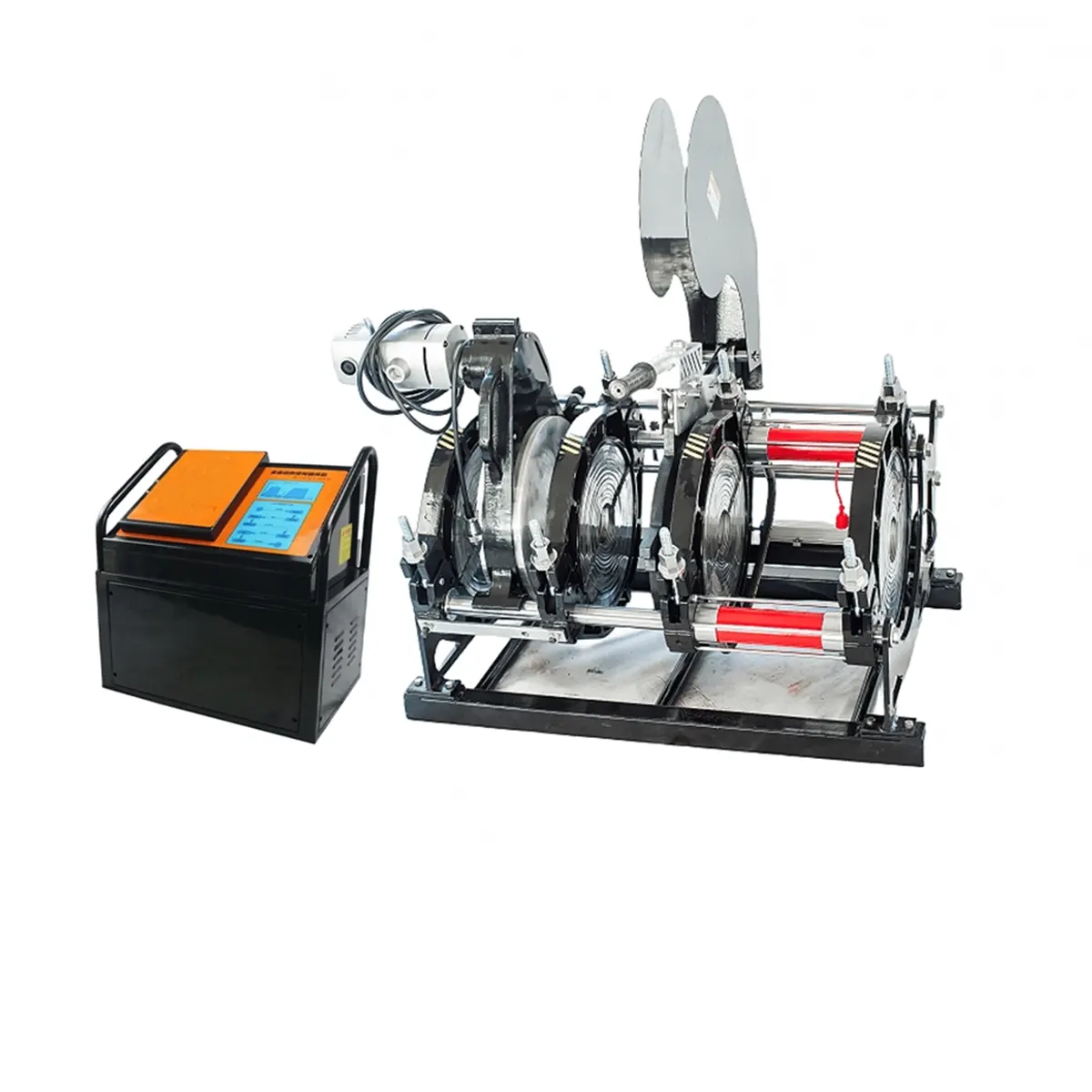
Installation, Training & After-Sales
For Pakistani contractors, on-site commissioning and operator training are essential to ensure weld quality and safety. Ask suppliers for:
• Demonstrated on-site training programs and welding procedure specifications (WPS).
• A clear spare-parts list with part numbers and typical stock levels.
• Remote troubleshooting options and availability of local service partners for faster response times.
Pre-Purchase Checklist
• Confirm the maximum pipe diameter and pressure class the machine can handle.
• Request a sample weld procedure and test report.
• Verify electrical and hydraulic power requirements for field conditions.
• Check warranty terms, return policy, and shipping lead time to Pakistan.
• Evaluate total cost of ownership: consumables, maintenance frequency, and expected lifespan.
Supplier Spotlight
JQ-Fusion is a manufacturer of HDPE pipe welding machines offering manual, hydraulic, and automatic butt fusion solutions suitable for a wide range of pipe diameters and project types.
Next Steps for Buyers in Pakistan
Request detailed quotes with FOB/EXW and landed cost to Karachi, include spare-part kits and training options, and ask for welding records or references from similar Pakistani projects. A well-documented procurement and commissioning plan will protect project timelines and ensure long-term pipeline integrity.



