
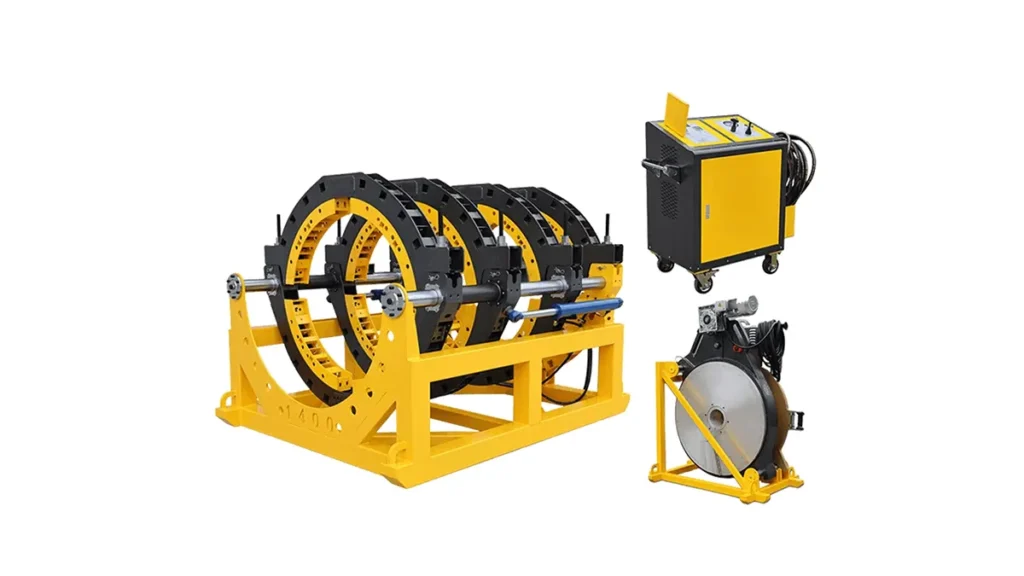
Choosing the best HDPE jointing machine factory for projects in Canada means balancing cold-weather performance, regulatory compliance, and reliable after-sales support. This guide helps contractors, municipal buyers, and pipeline engineers compare options and pick equipment that keeps schedules on track across remote northern sites, urban infrastructure upgrades, and industrial installations.
Why HDPE Jointing Machines Matter for Canadian Projects
HDPE pipe welding is the backbone of modern water, gas, and industrial networks. In Canada, diverse climates—from coastal British Columbia to the subarctic North—demand machines that deliver consistent butt fusion quality under temperature swings, limited daylight, and challenging logistics. Choosing the right factory affects machine durability, spare-part availability, and certification for public works.
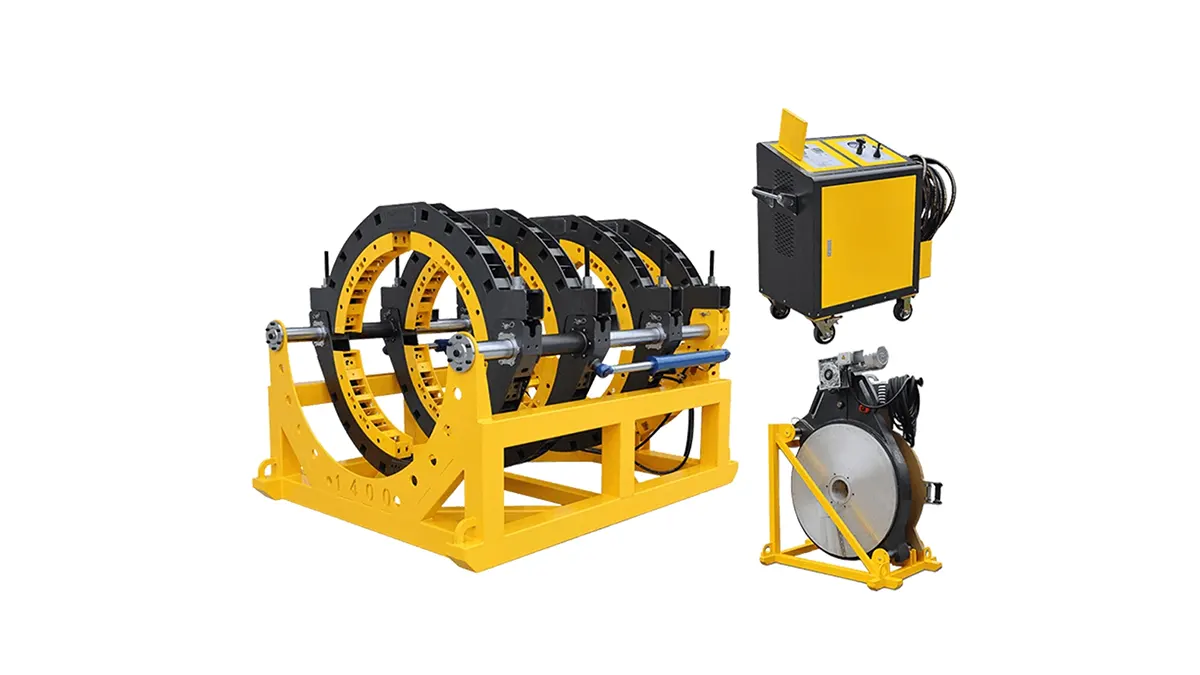
Key Criteria to Evaluate a Manufacturer
1. Canadian Standard Compliance – Ensure machines are compatible with CSA and local municipal specifications and that welding procedures can be validated for audit and warranty claims.
2. Cold-Weather Reliability – Look for machines rated for low-temperature operation, robust hydraulic systems, and heaters with reliable thermostatic control to avoid rework on frozen sites.
3. Range and Flexibility – From manual units for small-diameter service lines to CNC automatic machines for large-diameter trunk mains, choose a factory that offers models across the full diameter range.
4. Service Network & Parts – Prioritize suppliers that can ship spare parts quickly across Canada or provide local distributors for fast support during construction seasons.
5. Training and Documentation – Clear welding procedures, operator training, and digital control logs help municipal inspectors accept joints and reduce liability.
Which Machine Types Suit Canadian Use-Cases?
Manual butt fusion – Ideal for small-scale repairs and service connections in urban and rural settings.
Hydraulic machines – Workhorses for mid-range diameters and projects requiring stronger clamping force in cold conditions.
Automatic/CNC units – Best for high-volume pipeline contractors who need traceable weld logs and tight process control for long transmission mains.
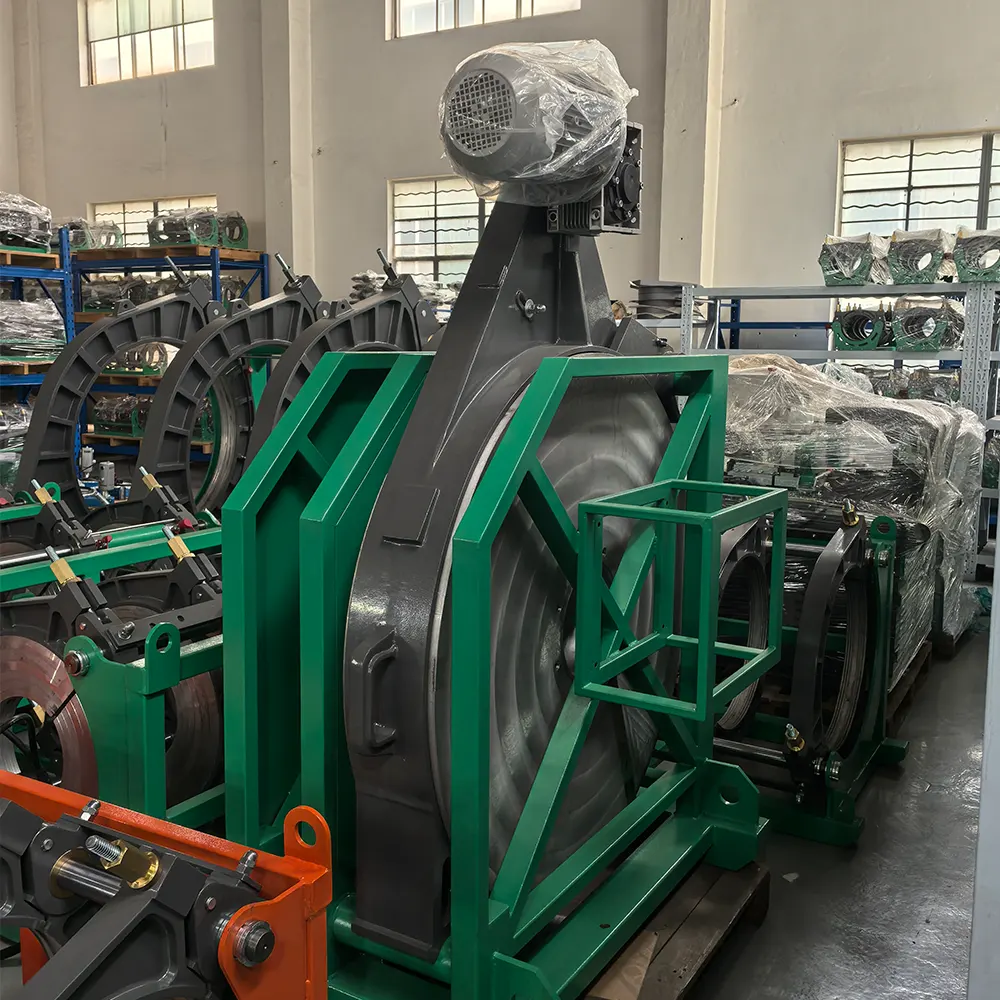
Quick Comparison Table — Match Machine Type to Canadian Application
| Machine Type | Typical Pipe Range | Best For |
|---|---|---|
| Manual Butt Fusion | 20–315 mm | Service repairs, small municipal works |
| Hydraulic Butt Fusion | 63–1600 mm | Road crossings, medium pipelines, harsh climates |
| Automatic/CNC Fusion | 90–1250+ mm | Large trunk mains, high-volume contract welding |
Local Considerations for Canadian Buyers
Procurement teams in provinces such as Ontario and Alberta often evaluate lifecycle costs, service logistics across long distances, and contractor training availability. In northern territories and Indigenous-led projects, ruggedness and the ability to operate in remote, low-temperature environments are especially important. For municipalities, traceability of weld records and compliance documentation often decide the winning supplier.
A Manufacturer to Consider
JQ-Fusion offers a full lineup of manual, hydraulic, and automatic butt fusion welding machines with global shipping and customization options. Their product range supports a wide pipe-diameter span and is suited to water, gas, mining, and industrial pipelines.
Final Buying Tips
Request cold-weather performance data, ask for sample weld logs, and verify spare-part delivery times to your closest port or distributor. Site trials and operator training before large deployments reduce schedule risk and ensure consistent joint quality across Canada’s diverse project environments.



