
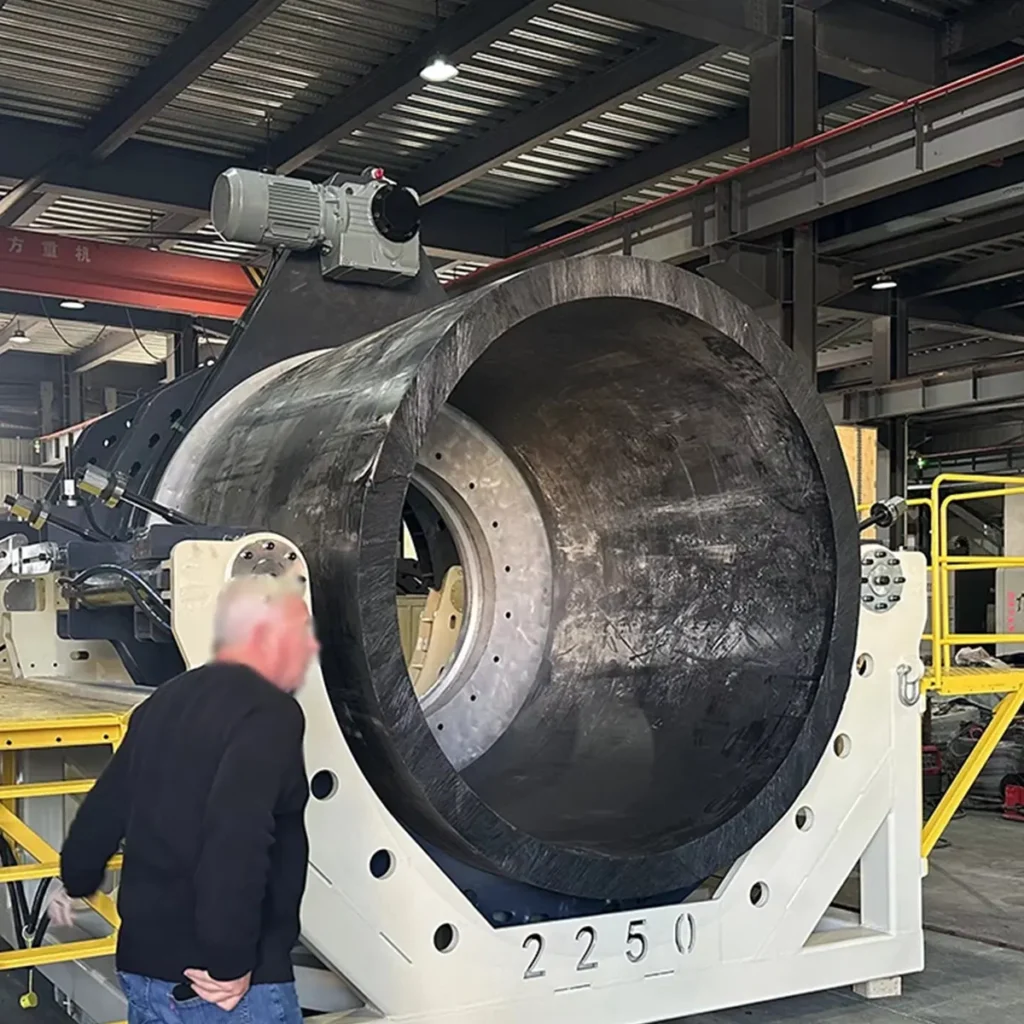
Somalia’s expanding water supply networks, irrigation projects, and coastal infrastructure demand reliable pipe-joining solutions. Polyethylene welding machines — especially HDPE butt fusion equipment — deliver long-lasting, leak-free joints that are ideal for the country’s arid climate and saline coastal conditions. This guide explains practical options for contractors, NGOs, and municipal engineers working in Somalia who need dependable pipe welding solutions for potable water, borehole systems, and agricultural pipelines.
Why Polyethylene Welding Matters in Somalia
HDPE pipe welding eliminates many failure points common to mechanical fittings and adhesives. For Somalia’s infrastructure programs — often implemented by international donors, local contractors, and community water committees — butt fusion welding ensures strong, homogeneous joints resistant to groundwater contamination, UV exposure, and temperature cycles. Choosing the right welding machine reduces downtime on remote sites and lowers lifecycle costs.
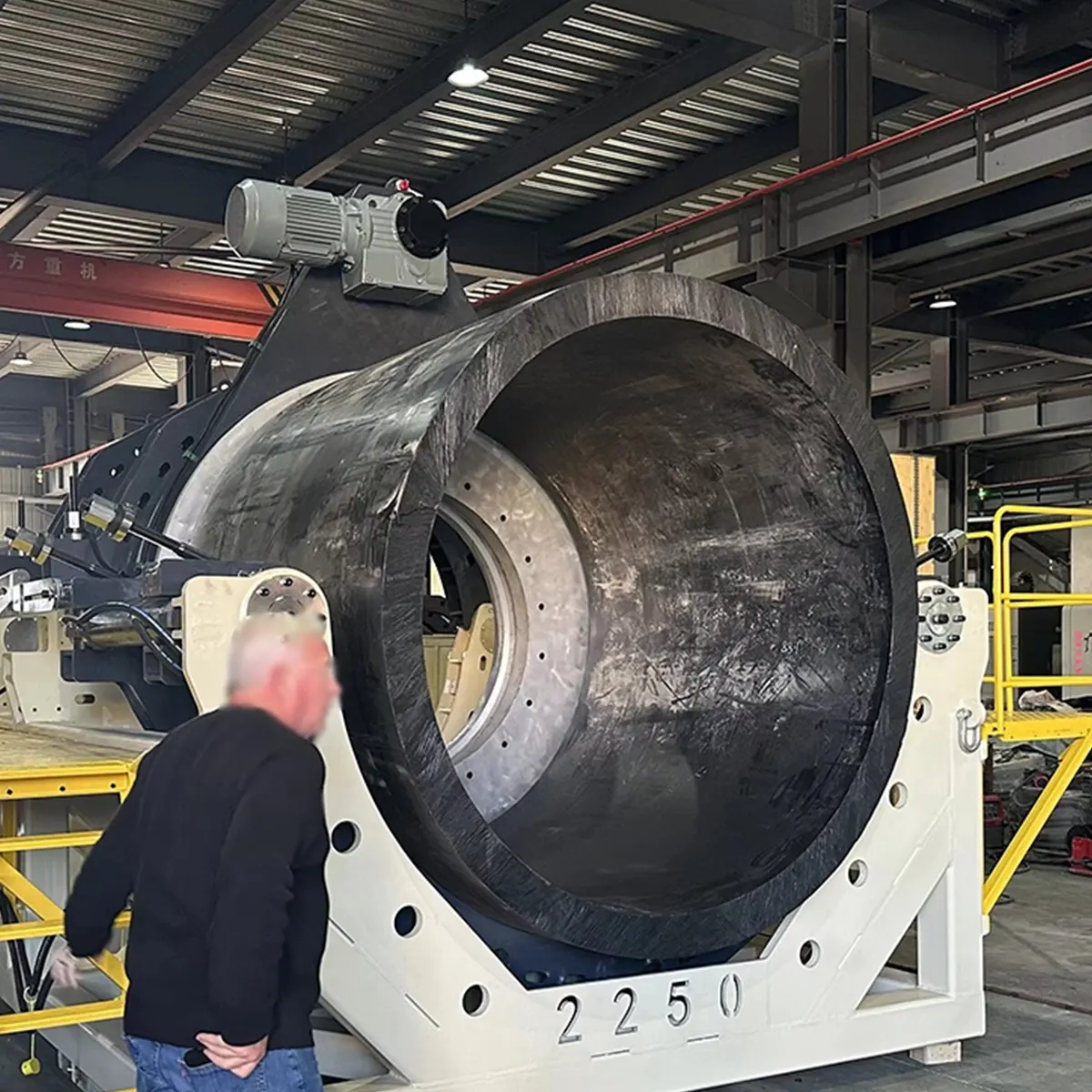
Key Applications for HDPE Pipe Welding in Somalia
– Rural potable water distribution: buried HDPE mains and service lines for villages and refugee settlements.
– Borehole and solar-pump connections: corrosion-free joints for remote water points.
– Agriculture and irrigation: durable pipe networks for smallholder and commercial farms.
– Coastal and saline environments: HDPE resists corrosion and chemical attack better than metal alternatives.
Types of Butt Fusion Machines to Consider
Selecting the proper machine depends on project scale and working conditions. Options include:
Manual butt fusion — lightweight and highly portable for isolated communities and small repair teams. Ideal where electric power is limited and crews need a compact kit.
Hydraulic butt fusion — robust, fast, and suitable for medium-to-large pipelines used in municipal or contractor-driven projects. Provides consistent pressure control and is well-suited to higher-volume worksites.
CNC automatic butt fusion — best for large-diameter pipelines and utilities requiring precision process control and traceable weld records. Useful for major water transfer lines and industrial installations.
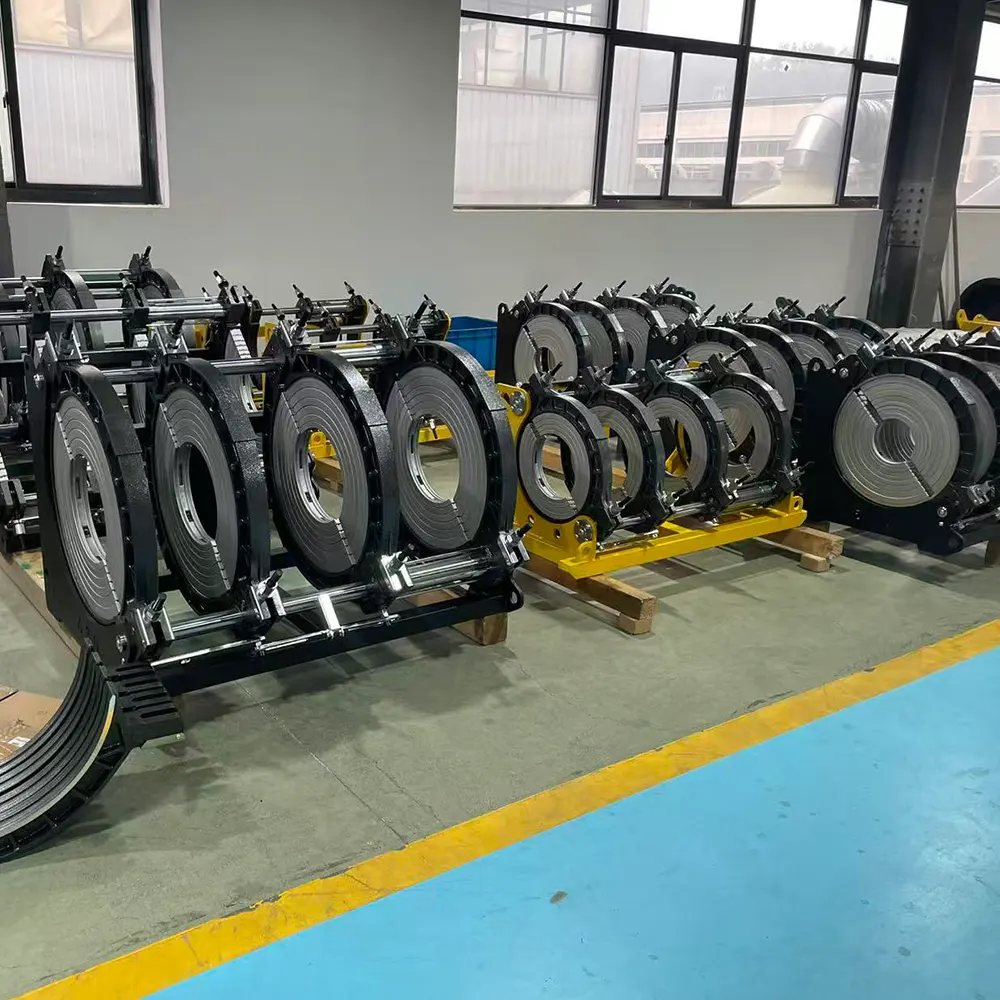
Selecting the Right Machine for Somali Projects
Consider terrain, power availability, pipe size, and the skill level of local crews. For many Somali projects, a combination of portable manual units for field repairs and hydraulic machines for planned distribution mains provides the best balance of cost and capability.
Quick Model Comparison
| Model Type | Best For | Pipe Range | Power/Drive | Mobility |
|---|---|---|---|---|
| Manual Butt Fusion | Remote repairs, small networks | 16–315 mm | Hand hydraulic | High |
| Hydraulic Butt Fusion | Municipal mains, contractor sites | 160–1250 mm | Hydraulic power pack | Medium |
| CNC Automatic | Large-diameter trunk lines | 250–2250 mm+ | Electric/Generator | Low (requires transport) |
Durability in Harsh Climates
Somalia’s coastal salt spray, dusty inland sites, and high temperatures call for machines with corrosion-resistant components, sealed electronics, and easy-to-service hydraulic units. Choose equipment with proven performance under hot, sandy conditions and a supply chain for spare parts.
Installation, Training and After-Sales Support
Successful welding programs pair quality equipment with operator training and accessible spare parts. Look for suppliers who provide practical on-site training for local technicians, clear welding procedure documentation, and remote troubleshooting support. This approach helps local contractors and community technicians build sustainable maintenance capacity.
For reliable butt fusion solutions tailored to international infrastructure needs, consider sourcing from established manufacturers. Visit JQ-Fusion for product lines, certifications, and export-ready options suited to Somalia’s projects.



