
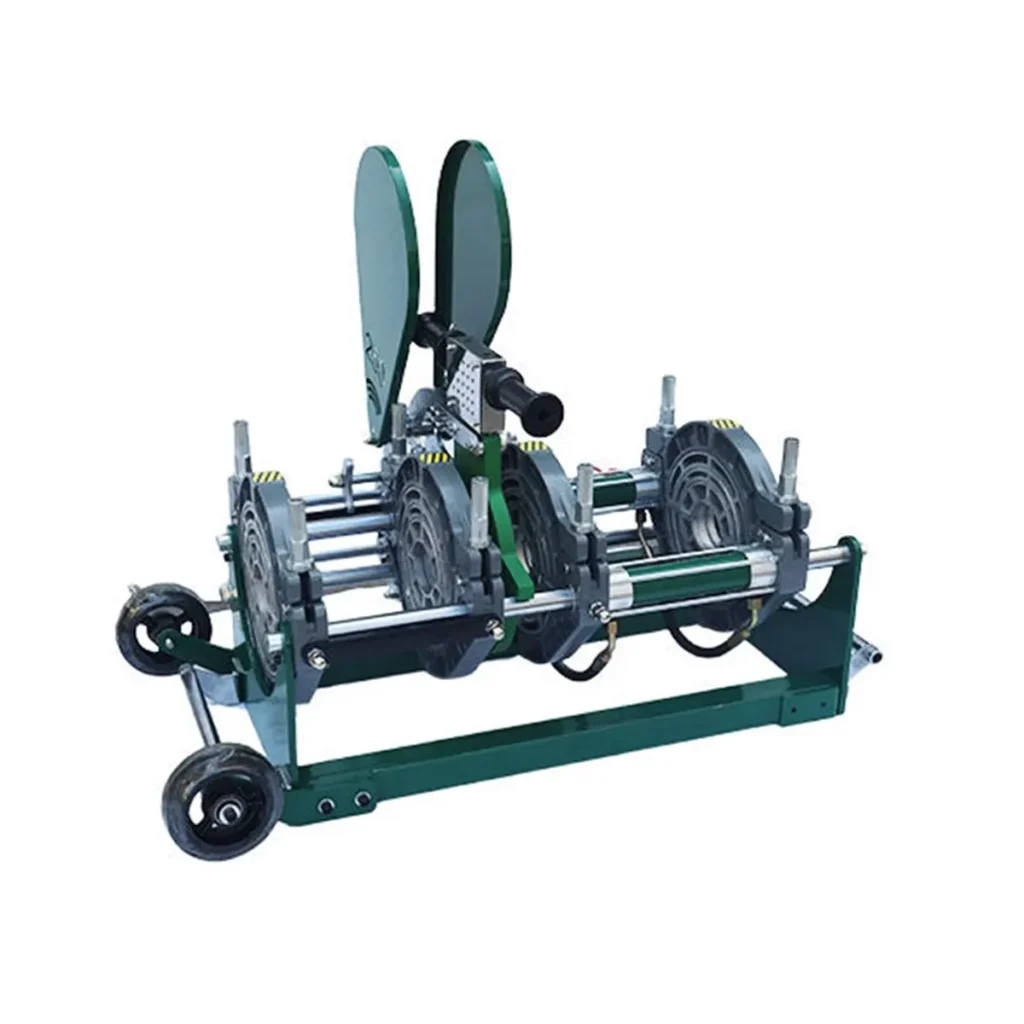
Choosing the right plastic pipe welding equipment supplier in Italy can make or break a pipeline project — whether you’re a municipal water authority in Lombardy, a gas distributor in Sicily, or a civil contractor working on a new irrigation scheme in Puglia. The right supplier combines certified machines, local support, and logistics suited to Italian construction standards and project rhythms.
Why the supplier choice matters for Italian projects
Italy’s varied geography and strict European regulations mean welding equipment must perform reliably across coastal, alpine and seismic regions. Suppliers who understand local standards (CE marking, UNI/EN norms), spare parts supply chains inside Europe, and Italian-language technical support will shorten downtime and reduce lifecycle costs for HDPE and PE piping systems.
Key criteria to evaluate when selecting a supplier
1. Product range & compatibility
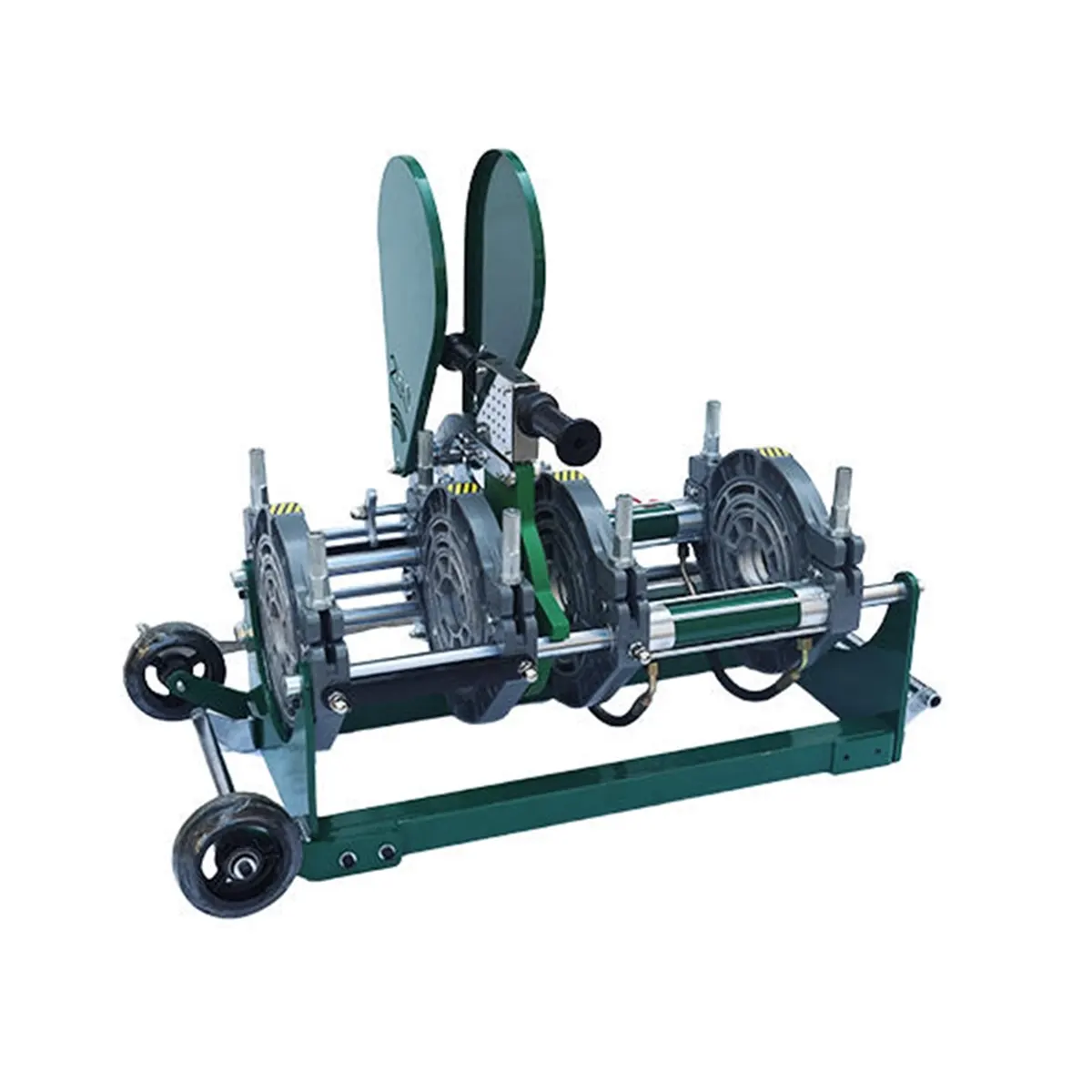
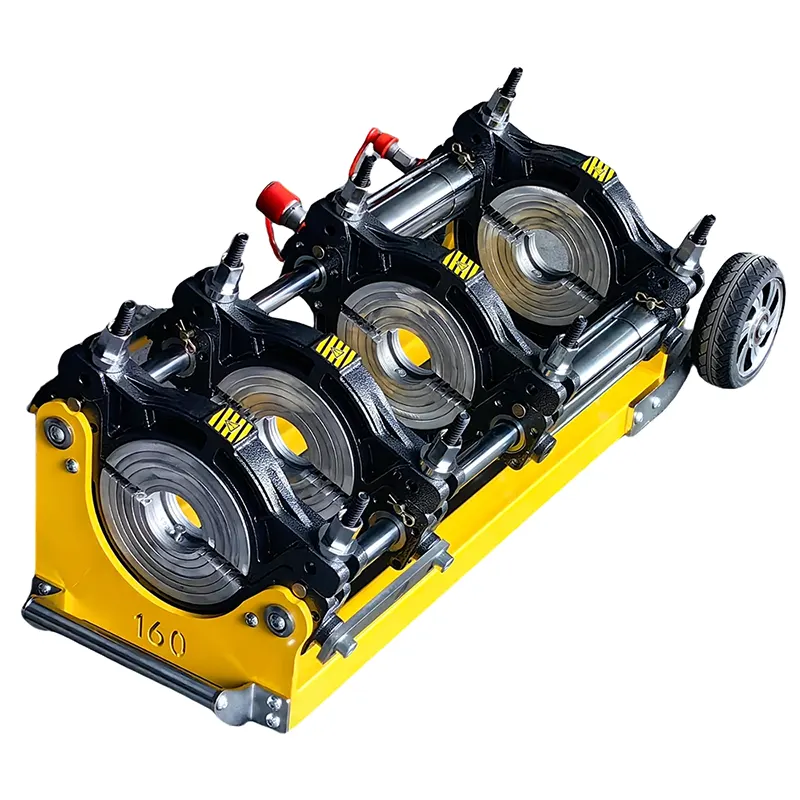
Check whether the supplier offers manual, hydraulic and CNC automatic butt fusion machines for the pipe diameters used in Italy (from small service lines to large-diameter mains). Compatibility with European fittings and standard clamps ensures quick integration into existing workflows.
2. Certifications & quality control
Ask for ISO factory certifications, CE compliance, and test reports for weld performance. Suppliers who document production QC and provide sample weld data reduce technical risk on large infrastructure contracts.
3. After-sales service & spare parts
Reliable spare parts delivery within the EU, clear maintenance guides in Italian, and structured repair processes are crucial. Evaluate guaranteed response times for technical support and availability of consumables like heaters and trimmers.
4. Local support & references
Prefer suppliers with Italian distributors, local agents or partner workshops. Ask for references from Italian projects — water utilities, gas grid installers or civil contractors — to verify on-site performance and service responsiveness.
5. Total cost of ownership
Beyond purchase price, factor in training costs, spare parts, expected MTBF, and fuel/electricity needs. A slightly higher upfront cost can be justified by lower maintenance and faster weld cycles.
6. Customization & operator training
Italian crews often value machines tuned to local workflows. Suppliers offering tailored fixtures, language options on controls, and on-site operator training minimize mistakes and speed project delivery.
7. Logistics & lead times
Short, predictable lead times and European warehousing reduce project delays. Confirm packaging for safe sea/road transport to major Italian ports (Genoa, Trieste, Naples) and inland delivery options.
8. Warranty & testing
Review warranty terms, included commissioning, and whether the supplier offers factory acceptance tests (FAT) or third-party inspection prior to shipment.
| Criterion | What to look for | Priority |
|---|---|---|
| Product Range | Manual to CNC machines covering required diameters | High |
| Certifications | CE, ISO, weld test reports | High |
| Local Support | Italian-language service and nearby spare parts | High |
| TCO | Warranty, consumables, training | Medium |
How to verify supplier claims
Request factory photos, FAT reports, and sample weld certificates. Arrange a demonstration or demand digital logs from previous projects. For Italian public tenders, cross-check supplier references and ask for documented experience with local standards.
Practical checklist for buyers in Italy
-
Confirm CE marking and harmonized standard compliance.
-
Verify spare parts presence in the EU or guaranteed shipping times.
-
Ask for training in Italian and operator manuals in local language.
-
Compare warranties, service SLAs, and local partner coverage.
A short recommendation
If you need a manufacturer with a broad HDPE butt fusion product line and global project experience, consider manufacturers with proven European logistics and documented Italian references — for example, JQ-Fusion (https://jq-fusionwelding.com/) offers manual, hydraulic and CNC automatic butt fusion machines and can be a starting point for further technical discussions.



