
Butt fusion welding remains the gold standard for joining HDPE pipes across water supply, gas distribution, mining, and industrial pipelines. Reliable machines, clear procedures, and consistent quality control deliver leak-free joints that stand up to pressure, temperature changes, and long service life.
Why Butt Fusion Matters for Global Infrastructure
Durability and minimal maintenance make butt fusion ideal for long-term projects such as municipal water networks, rural irrigation, and large-scale gas lines. The fusion process creates homogeneous joints that are often stronger than the pipe itself, reducing lifecycle costs for owners and operators.
Benefits for Project Owners and Field Teams
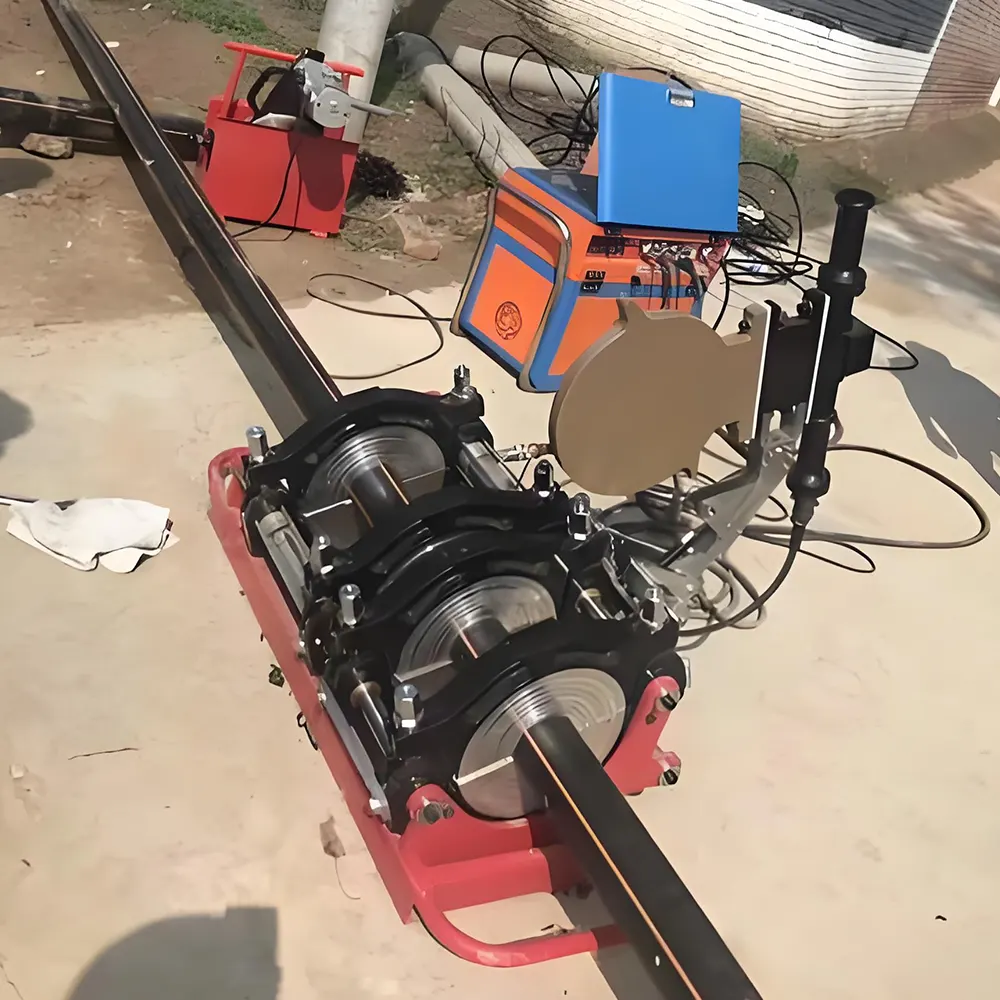
Project managers and field technicians benefit from predictable cycle times, reduced failure risk, and easier on-site quality checks. For contractors in emerging markets, the combination of manual and hydraulic units enables work in remote locations with limited power access, while automatic CNC systems bring high throughput to factory or large-site environments.
Regional Use Cases and Local Stakeholders
Different regions require tailored approaches:
-
Africa & South Asia: rural water boards and NGOs rely on portable manual machines for village-level installations and irrigation networks.
-
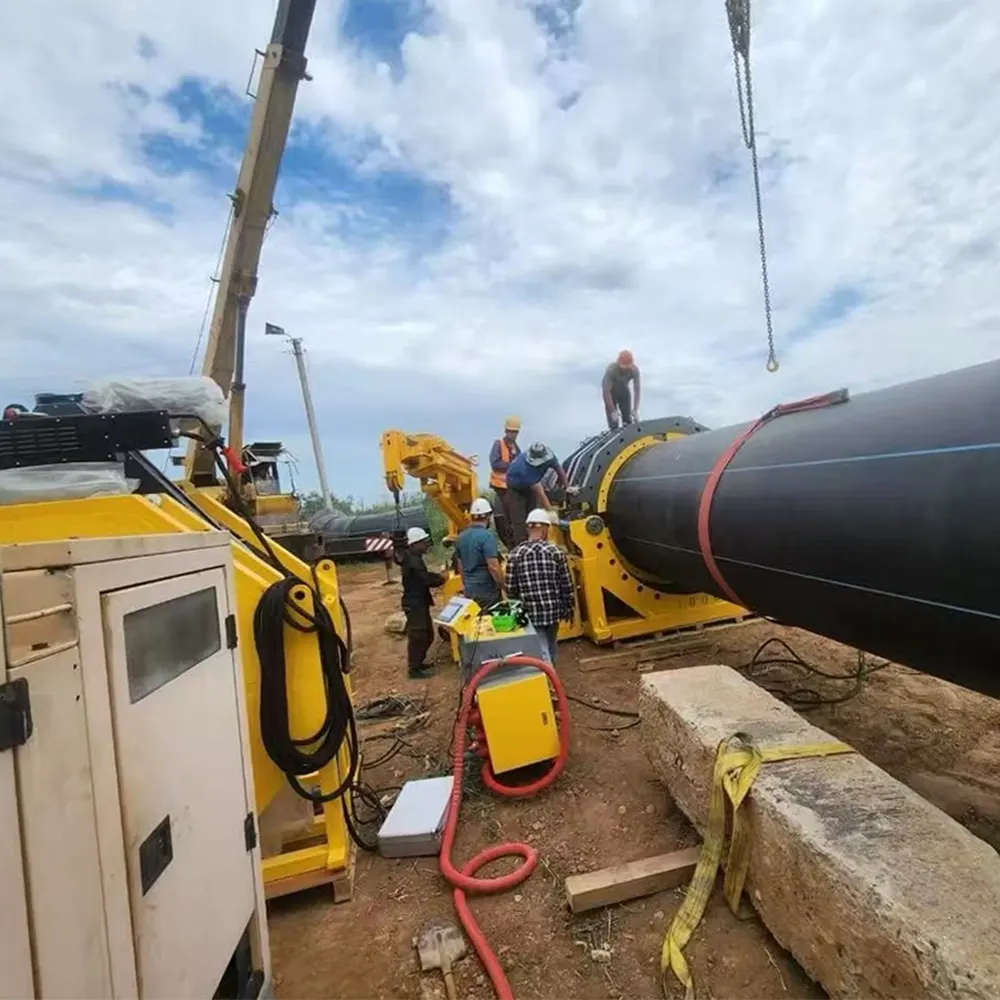
Middle East: oil, gas and industrial integrators require heavy-duty hydraulic units and large-diameter solutions for high-capacity pipelines.
-
Europe & North America: utilities and municipal engineers prioritize traceable welding records and automated systems that integrate with digital QC protocols.
-
Latin America: mining and agricultural sectors value rugged equipment with easy spare-part sourcing and responsive field service.
Product Range Snapshot
From compact manual frames to fully automatic CNC butt fusion machines, the market provides models for small-diameter service lines up to very large-diameter trunk mains. The right machine selection improves safety, throughput, and joint quality.
| Machine Type | Pipe Range (mm) | Key Advantages |
|---|---|---|
| Manual Butt Fusion | 20–630 | Portable, low-cost, ideal for service lines |
| Hydraulic Butt Fusion | 160–2250 | High clamping force, suited to large-diameter mains |
| Automatic / CNC Fusion | 63–2000+ | Precise control, digital records, high repeatability |
Technical Considerations for Purchasing
Key specifications to evaluate include clamp type (aluminum vs. steel), heating plate quality and control accuracy, hydraulic power and stroke, and whether the unit supports data logging for quality assurance. Matching machine capacity to your most frequent pipe sizes reduces idle time and improves ROI.
Quality, Customization, and After-Sales
Manufacturers with strict QC processes and flexible production can tailor frame dimensions, control software, and service packages to meet local code requirements and climatic conditions. For procurement teams, availability of spare parts, training, and regional service networks are as important as machine specs.
For more information on models, technical datasheets, and regional support options, visit JQ-Fusion to review catalogs and contact their sales engineers.
Final Notes for Operators and Engineers
Successful butt fusion programs combine the right machine selection, operator training, routine maintenance, and documented welding procedures. Prioritize equipment that offers consistent results under the specific field conditions you face—be it remote villages, cold climates, or heavy industrial sites—so your pipelines deliver safe, long-term performance.



