
As Kazakhstan expands its gas distribution networks across vast steppe regions and rapidly developing urban centers like Almaty and Nur-Sultan, reliable gas line welding equipment is essential. Distributors, contractors, and utility companies need robust, field-proven machines that perform in cold climates, remote sites, and industrial projects. This guide explains how to source a dependable gas line welder wholesaler in Kazakhstan and what to look for when selecting equipment and support.
Why Choose a Local Wholesaler for Gas Line Welding Equipment
Local wholesalers bring advantages that matter in Kazakhstan: regional stock availability, faster logistics through major hubs such as Almaty and Aktobe, and familiarity with local regulatory and climatic requirements. A wholesaler can also bundle training, spare parts, and service packages tailored to pipeline contractors working in extreme temperatures or remote oil and gas fields.
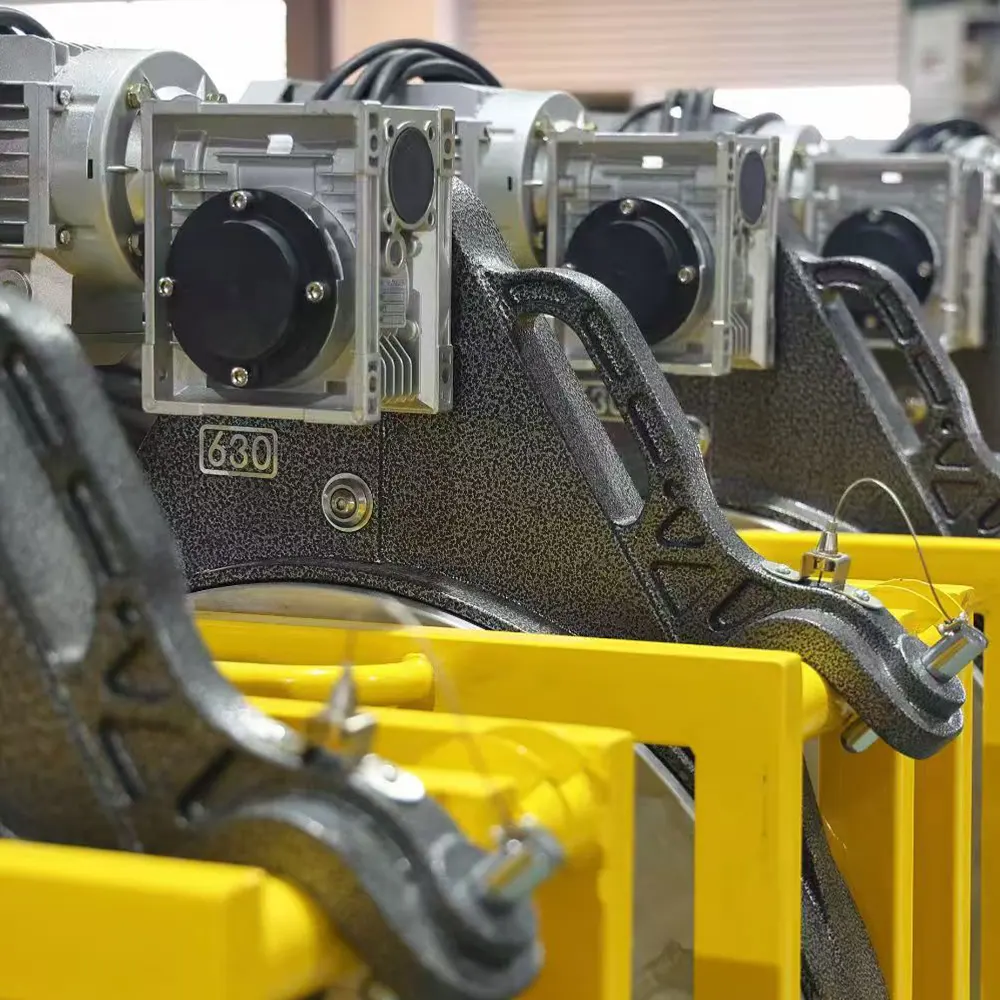
Key Welding Technologies for Gas Pipelines
For medium- and large-diameter gas pipelines, the most commonly used technologies include butt fusion (for HDPE pipelines), electrofusion (for fitting connections), and multi-angle fitting machines. Each method offers specific benefits depending on pipe material, diameter, and on-site constraints:
- Butt fusion — ideal for continuous polyethylene mains with high joint strength.
- Electrofusion — used for fittings, valves, and repairs in urban or constrained installations.
- Multi-angle fitting machines — increase productivity for complex network assembly in prefabrication yards.
Product Comparison Table — Typical Options Available from Wholesalers
| Machine Type | Typical Range | Best Use |
|---|---|---|
| Manual Butt Fusion | 20mm – 630mm | Small jobs, rural repairs |
| Hydraulic Butt Fusion | 63mm – 1600mm | Mainline construction, industrial pipelines |
| Automatic/CNC Butt Fusion | 90mm – 1600mm+ | High-precision, large-diameter projects |
| Electrofusion Unit | Fittings range | Urban gas networks, repair works |
When evaluating wholesalers, ask about inventory lead times, warranty coverage, and local service presence. Wholesalers who stock both machines and consumables (heating plates, electrofusion fittings, clamps) reduce project downtime in Kazakhstan’s remote areas.
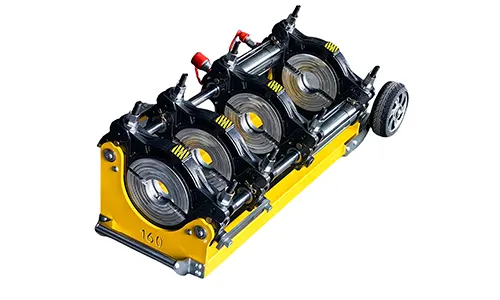
Procurement Considerations Specific to Kazakhstan
Kazakhstan’s geography and climate influence equipment selection and logistics:
- Cold-weather performance: Choose machines with reliable hydraulics and electronics rated for sub-zero temperatures and ensure spare heaters/insulation for on-site use.
- Transportability: Remote field sites require compact frames or modular machines that can be trucked or rail-shipped to Siberian-border regions and steppe roads.
- Local compliance: Confirm material certifications for gas service and compatibility with national pipeline standards.
Service, Training and Spare Parts
Reliable after-sales support shortens downtime. Look for wholesalers offering on-site training for butt fusion and electrofusion procedures, clear calibration records, and a stocked spare parts program. For contractors operating across Kazakhstan’s oblasts, consider a partner that can coordinate technical visits and shipping from central warehouses.
Buying Tips for Project Managers
Before committing to a wholesaler, request:
- Reference projects in Kazakhstan or similar climates.
- Machine performance data and sample weld records.
- Clear terms for warranties, calibration, and emergency support.
For reliable butt fusion and electrofusion welding machines tailored to gas pipeline projects, consider suppliers who combine wide product ranges with field service and spare parts capabilities. For example, a manufacturer and global supplier like JQ-Fusion provides manual, hydraulic and automatic butt fusion systems designed for infrastructure, mining and gas distribution applications.



