
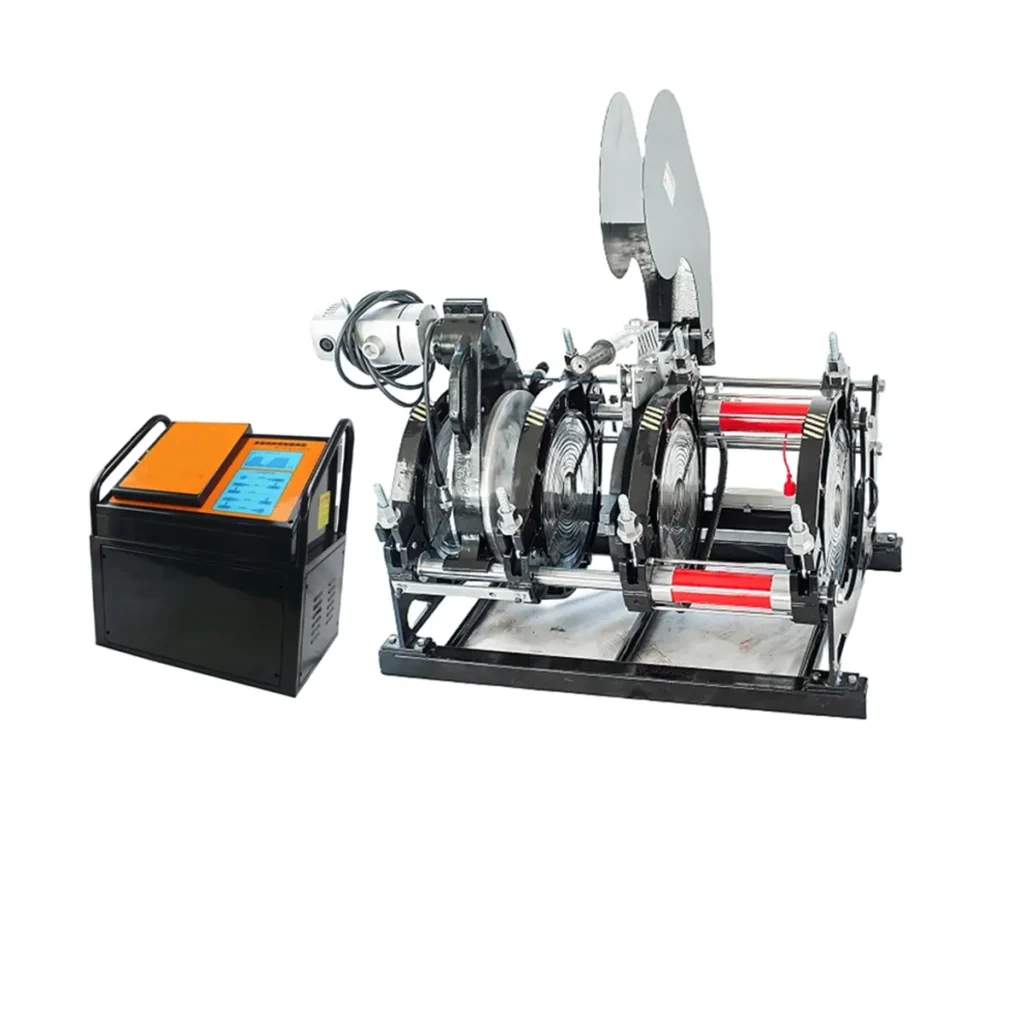
Finding a dependable gas line welder supplier in DR Congo is critical for safe, efficient pipeline installation and maintenance. This guide helps contractors, utilities, and project managers choose the right HDPE and electrofusion welding equipment for local conditions and regulations.
Reliable Gas Line Welders for DR Congo
Pipeline projects in the Democratic Republic of the Congo face unique challenges: long transport routes, humid tropical climates, and remote job sites near mining or urban expansion areas. For local construction crews and gas distribution companies, selecting robust welding machines that deliver consistent butt fusion and electrofusion joints is essential to prevent leaks and ensure long-term safety.
Machine Types and Why They Matter
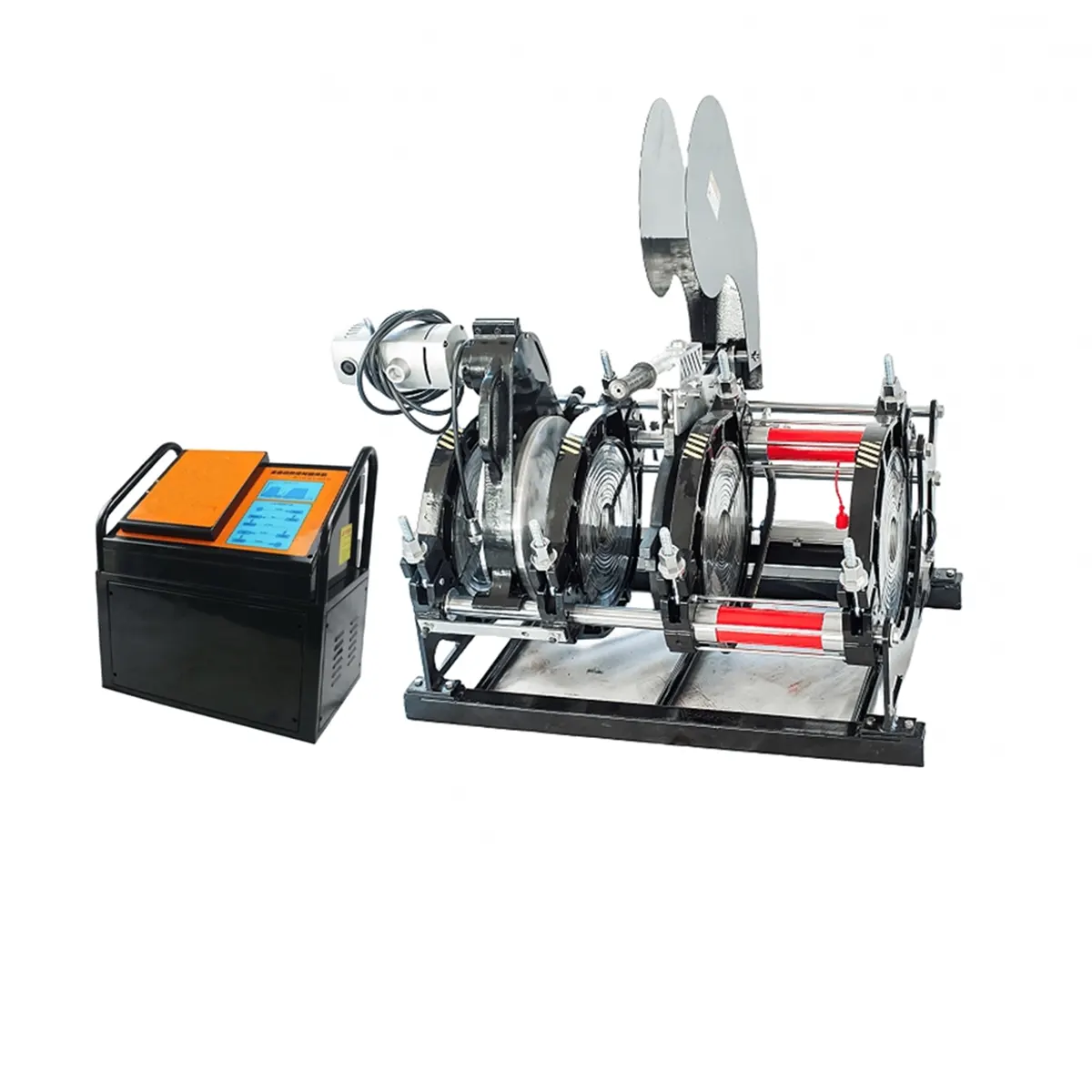
Manual butt fusion machines are ideal for small-diameter repairs and sites with limited power. Hydraulic models provide the force and precision required for medium to large pipelines commonly used in gas distribution. For high-volume or long-run pipeline installation, automatic CNC butt fusion welders ensure repeatable quality and reduce operator variability. Electrofusion units are preferred for fittings and quick on-site joins with consistent heat control.
Essential Features for Congo Projects
When evaluating welders for gas pipelines in DR Congo, prioritize machines with corrosion-resistant frames, easy-to-read digital controls, and accessories for alignment and facing. Portability and serviceability are important for remote locations—look for modular components and commonly stocked spare parts to minimize downtime.
Quick Comparison Table — Popular Models
| Model | Pipe Range | Best For |
|---|---|---|
| Manual Bench Units | 20mm–160mm | Small repairs, training |
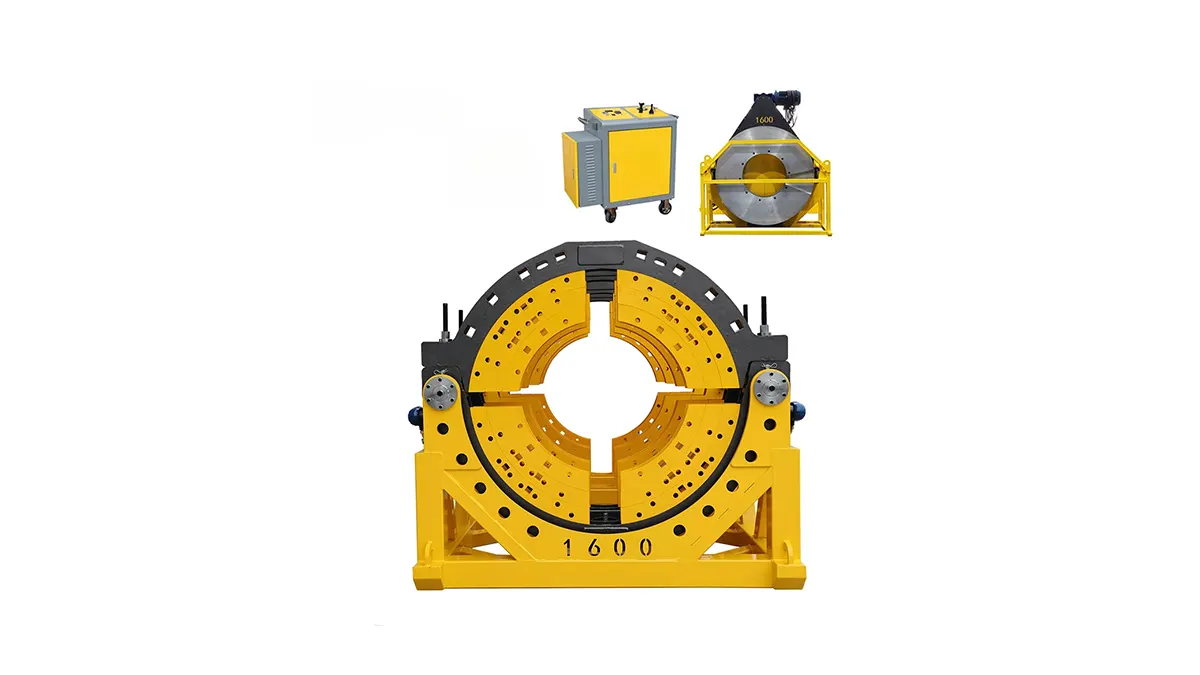
| Hydraulic Series | 160mm–1000mm+ | Medium & large pipelines |
| Automatic CNC Welders | 63mm–630mm (typical) | High-volume projects |
| Electrofusion Units | Fittings 20mm–630mm | Fittings & service repairs |
How to Choose the Right Welder
Match machine capacity to your typical pipe diameters and job scale. For urban gas networks around Kinshasa or Lubumbashi, small-to-medium automatic machines provide faster installation and tighter QA control. In remote mining or rural extension projects, prioritize hydraulic or rugged manual machines that are easy to maintain and transport. Check power options, control interfaces (manual vs. digital), and whether the supplier offers training for local welders to meet international fusion standards.
After-Sales Support, Parts & Shipping in DR Congo
Reliable after-sales support reduces project delays. Confirm availability of replacement heating plates, clamps, and hydraulic seals. For DR Congo projects, arrange clear shipping terms, local clearance assistance, and spare part kits shipped with the initial order to avoid long lead times. Remote technical guidance and training materials in French or English can accelerate operator competence on site.
Safety and Compliance
Gas pipeline welding requires strict adherence to safety protocols and quality control. Use certified welding procedures, record joint parameters, and perform visual and non-destructive testing where required. Investing in machines with digital logging helps satisfy regulatory inspections and long-term maintenance records.
Partner Information
JQ-Fusion is a professional manufacturer specializing in HDPE pipe welding machines, offering manual, hydraulic, and CNC automatic butt fusion solutions for water, gas, mining, and industrial pipeline systems worldwide. Visit https://jq-fusionwelding.com/ for product details and inquiries.
Ready to equip your DR Congo pipeline project? Choose machines suited to local terrain, staff skills, and pipe sizes—and make sure spare parts and training are part of the package to keep gas lines safe and operational.



