
Kazakhstan’s expanding infrastructure projects — from vast irrigation systems on the steppe to oil, gas and mining pipelines in remote regions — demand robust, reliable poly pipe fusion solutions. Choosing the right butt fusion and HDPE welding equipment ensures long-term leak-free performance, efficient installation in extreme climates, and compliance with international pipeline standards.
Why Reliable Fusion Machines Matter in Kazakhstan
Extreme temperatures, wide geographic distances, and heavy industrial activity make Kazakhstan a unique environment for pipeline construction. Contractors working in Kazakh cities and rural districts need machines that deliver consistent weld strength in sub-zero winters and hot summers, while being easy to transport between scattered job sites.
Large-scale sectors such as oil & gas, municipal water supply, and mining require equipment that scales — from small-diameter service lines to large-diameter trunk pipelines. Durability, maintenance ease, and clear welding records are essential for regulatory compliance and long-term asset integrity.

JQ-Fusion Solutions for Kazakh Pipeline Projects
JQ-Fusion (https://jq-fusionwelding.com/) manufactures a full range of HDPE pipe welding machines — manual, hydraulic and CNC automatic butt fusion units — designed to meet the needs of contractors across Kazakhstan. Their product range covers small service pipes up to large-diameter trunk lines, with options for customization, rugged frames for fieldwork, and automated controls for precision welding.
Key Advantages for Local Contractors
Reliable weld quality: Consistent heating and controlled fusion cycles reduce joint failures and rework, crucial for pipelines carrying gas and potable water.
Portability and robustness: Machines built for field deployment withstand transport across rough terrain and handle site-to-site movement common in Kazakhstan’s construction projects.
Wide diameter coverage: From 16mm service lines to large-diameter mains, options exist to match project specifications without compromising performance.
Model Comparison
| Model Type | Diameter Range | Best For |
|---|---|---|
| Manual Butt Fusion | 16mm – 400mm | Rural connections, repair works |
| Hydraulic Butt Fusion | 63mm – 1600mm | Large-diameter pipelines, industrial sites |
| Automatic / CNC Fusion | 63mm – 2250mm+ | High-volume, quality-controlled production |
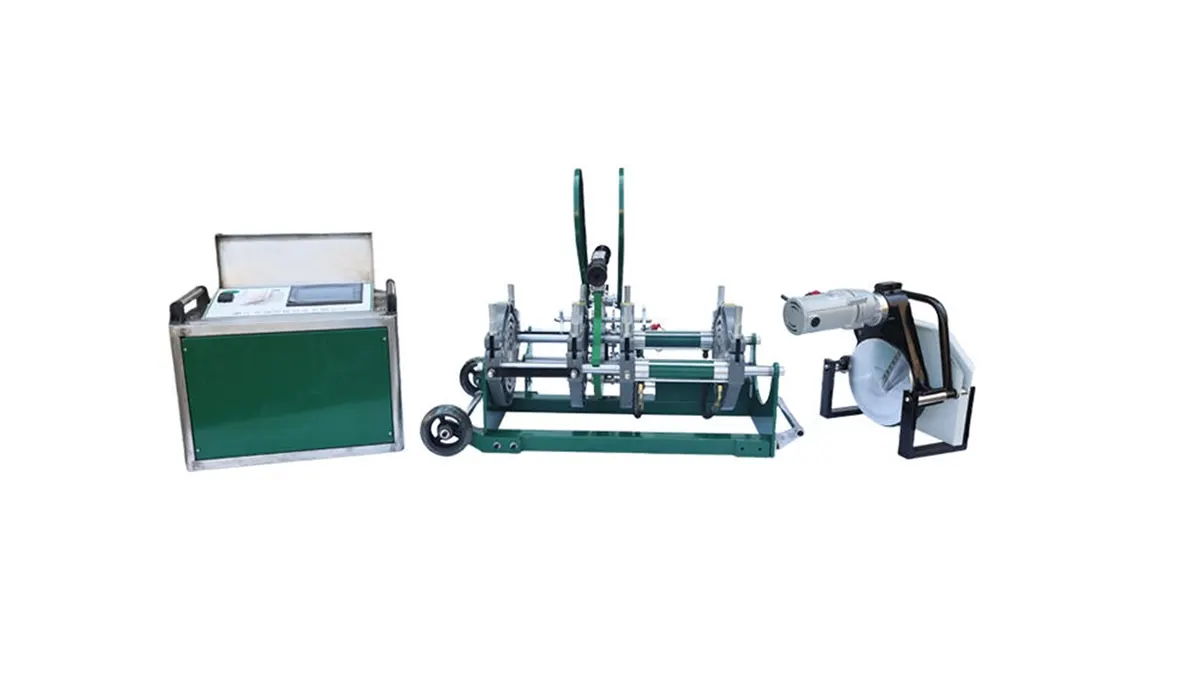
How to Choose the Right Machine for Kazakh Projects
Assess project scale: Small municipal works and rural irrigation favor manual or compact hydraulic units, while long-distance pipelines and industrial projects benefit from automated systems with data logging.
Consider site conditions: For remote steppe locations, prioritize portability, battery or generator compatibility, and simple maintenance. In northern regions exposed to freezing temperatures, ensure heating plates and controls perform reliably at low ambient temperatures.
Plan for training and spares: Skilled operators improve weld consistency — request training packages and local spare-part kits to minimize downtime during winter or peak construction seasons.
After-Sales Support & Warranty Considerations
Local contractors should confirm availability of technical support, spare parts, and operator training. Machines with clear maintenance guides and remote troubleshooting options reduce project delays and lifecycle costs.
Get Started
For Kazakhstan projects that require reliable HDPE and poly pipe fusion equipment, evaluate machine types against your pipeline diameter needs, site logistics, and production expectations. Review specifications and request a demonstration via the manufacturer’s website above to ensure the selected equipment matches your operational requirements.



