
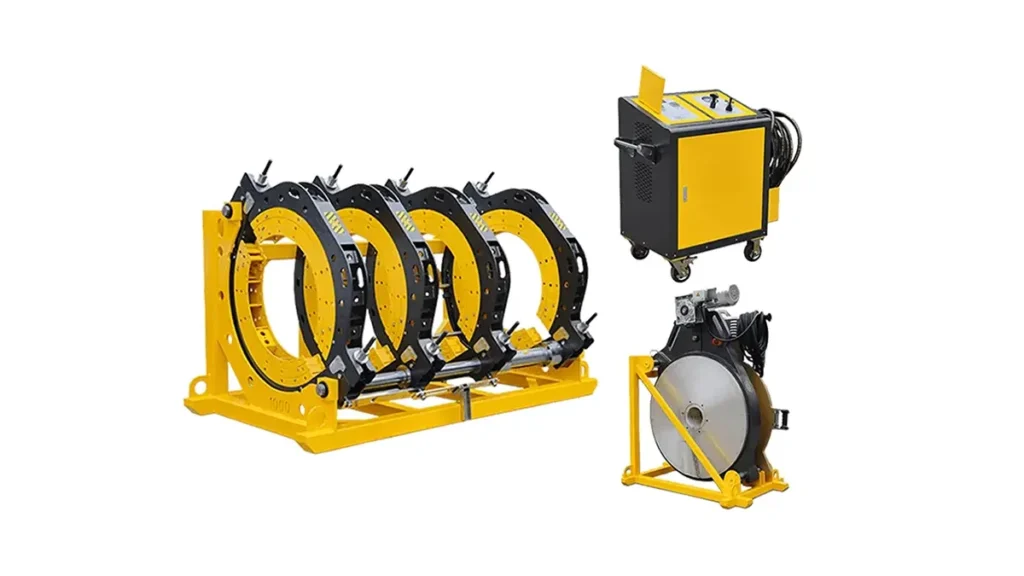
In Malta’s tightly packed urban zones and coastal infrastructure projects, choosing the right HDPE pipe jointing solution can make the difference between long-lasting, leak-free networks and costly repairs. This guide explains what local contractors, municipal engineers, and utility installers should consider when procuring an HDPE pipe jointing machine — focusing on portability, corrosion resistance, and EU-compliant welding quality.
Why HDPE Butt Fusion Is Ideal for Malta
Durability in coastal environments — HDPE pipe systems resist corrosion and chemical attack better than metallic alternatives, a critical advantage on Malta’s archipelago where salt air and aggressive soils are common. Compact, reliable jointing machines enable precise butt fusion joints that maintain system integrity under fluctuating temperatures and seaside conditions.
Common Applications on the Islands
Local uses include potable water distribution, irrigation networks for agricultural terraces, underground utility upgrades in dense towns like Valletta and Sliema, and industrial connections at harbors and desalination plants. Accurate fusion joints are especially important for potable water and gas networks subject to EU standards.
Types of HDPE Pipe Jointing Machines
Selecting the right machine depends on pipe diameter, job mobility, and automation needs. Below is a quick comparison tailored for Maltese contractors who must balance transport between sites and on-site performance.
| Machine Type | Typical Pipe Range | Best For |
|---|---|---|
| Manual Butt Fusion | 20mm – 315mm | Small repairs, remote sites |
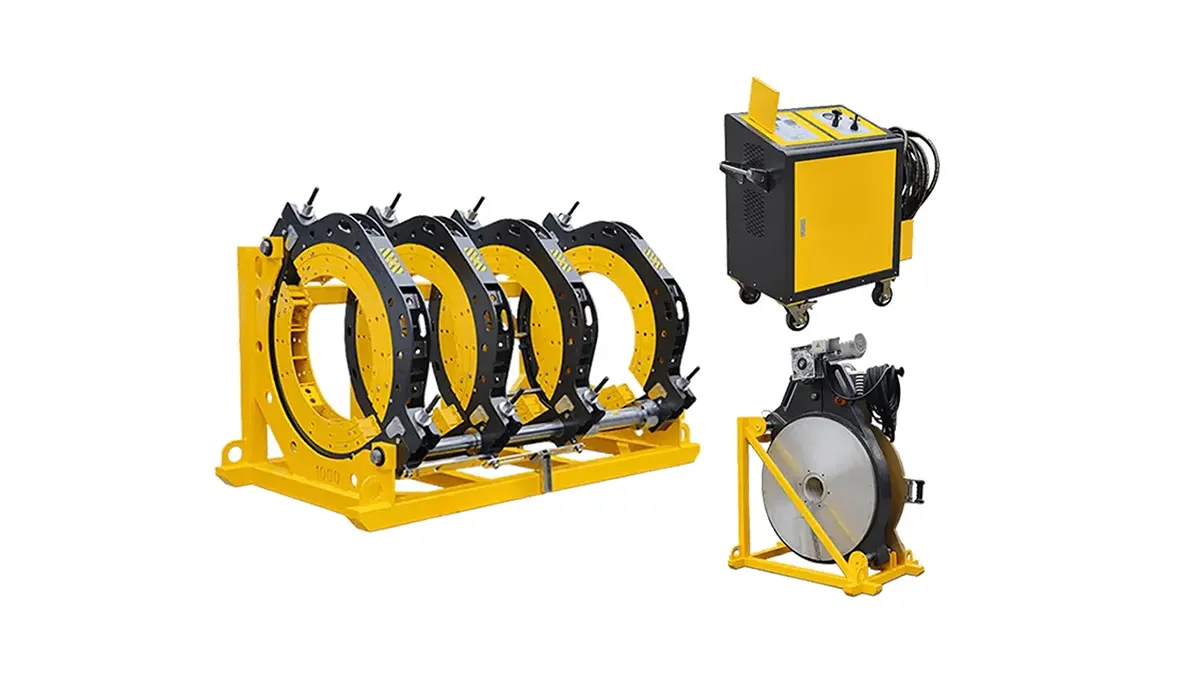
| Hydraulic Butt Fusion | 63mm – 1000mm+ | Medium to large pipelines, fast cycle welding |
| Automatic / CNC Butt Fusion | 63mm – 1250mm+ | High-precision, repetitive production |
Key Features Maltese Buyers Should Prioritize
• Corrosion-resistant materials and sealed components for coastal use.
• Portable frames and quick-clamp systems to move easily between narrow streets and small job sites.
• Digital temperature and pressure control for consistent joints that meet EU regulations and certification requirements.
• Readily available spare parts and local technical support to minimize downtime.
Installation Tips for Maltese Contractors
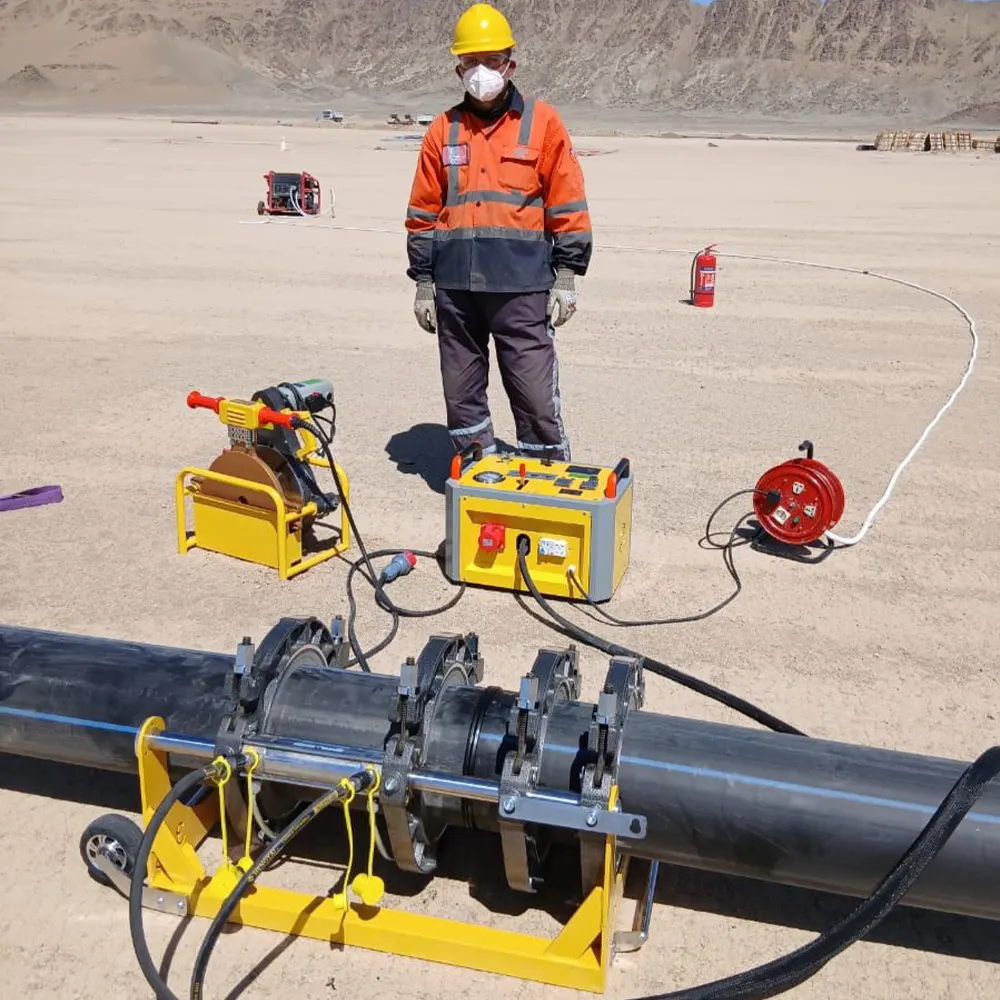
Plan for compact storage and transport: many Maltese roads and job sites are constrained — choose a machine that breaks down into manageable components. Protect electrical and hydraulic systems from salt exposure and rinse equipment after seaside assignments. Document each weld with digital logs or printouts to satisfy municipal inspectors and project stakeholders.
Maintenance & Training
Routine checks of heaters, alignment jaws, and hydraulic seals preserve joint quality. Investing in operator training for butt fusion procedures reduces rejection rates and ensures each joint meets the required pressure-holding specifications. Consider supplier-backed training or certified local technicians.
How to Choose a Reliable Supplier in Malta
Evaluate on three fronts: product durability (suitable for coastal climates), availability of spare parts and technical support within reasonable delivery times, and clear documentation/certification for EU-standard welding. Confirm lead times and shipping logistics to the islands.
Manufacturer: JQ-Fusion supplies a full range of manual, hydraulic, and automatic butt fusion welding machines designed for global infrastructure projects and can support Maltese contractors with tailored solutions.



