
The Democratic Republic of the Congo (DR Congo) is investing heavily in water supply, gas distribution, mining, and industrial piping projects. Reliable pipe fusion machines are essential for building leak-free HDPE networks that withstand tropical conditions, remote installation sites, and heavy-duty mining operations. This guide explains the best butt fusion and electrofusion solutions suited for DR Congo’s environment, highlights practical selection criteria, and shows how operators can maximize uptime on long-distance pipeline projects.
Why HDPE Pipe Fusion Matters in DR Congo
HDPE piping is increasingly preferred across DR Congo for its corrosion resistance, flexibility, and longevity. In regions with seasonal rains, river crossings, and expanding urban centers like Kinshasa and Lubumbashi, properly fused joints are critical. Butt fusion and electrofusion create homogeneous, pressure-rated connections, reducing maintenance needs and the risk of contamination in water networks.
Local Challenges and Machine Requirements
Projects in DR Congo often face limited power access, long transport routes, and a shortage of trained technicians. Machines chosen for these projects should be:
- Portable and robust for remote sites and uneven terrain.
- Capable of operating with variable power supplies or a generator.
- Easy to maintain and service with available spare parts.
- Suitable for a wide range of diameters used in municipal water, gas, and mining pipelines.
Recommended Fusion Types for DR Congo Projects
Choose the fusion method based on pipe size, field conditions, and project scale:
Butt Fusion
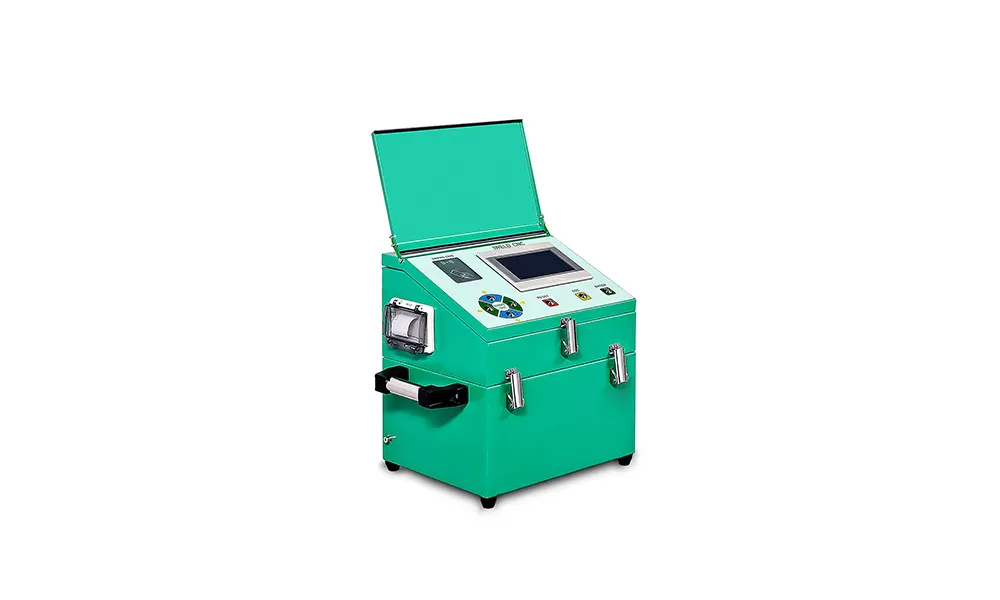
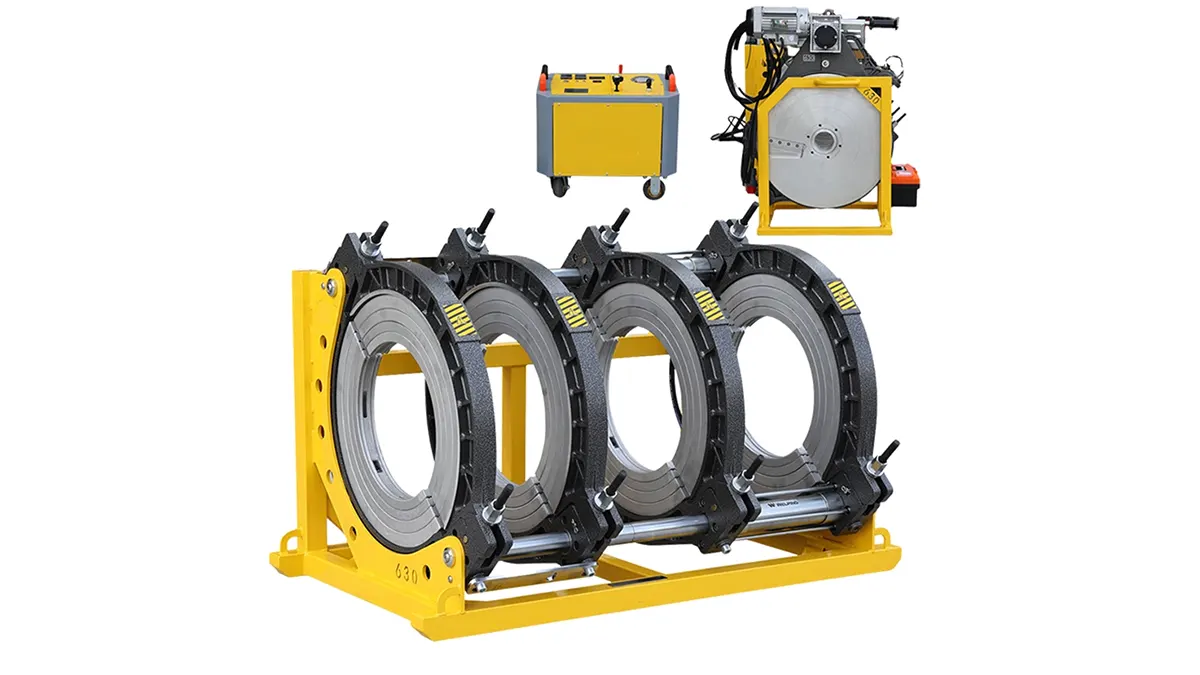
Best for long straight runs and larger diameters in water mains and industrial lines. Hydraulic and automatic butt fusion machines provide repeatable, high-strength joints and are ideal for high-pressure systems in mining and gas transport.
Electrofusion
Preferred for fittings, repairs, and restricted spaces. Electrofusion fittings simplify complex connections without heavy clamping equipment—useful in urban repair work and smaller distribution networks.
Choosing a Machine: Key Specifications
When evaluating machines for use in DR Congo, prioritize the following technical features:
- Clamping range and pipe diameter compatibility (from small service lines to large mains).
- Heater plate quality and temperature control stability for consistent welds.
- Hydraulic power units with low maintenance designs for field reliability.
- Portable options for manual and small-diameter work vs. CNC automatic systems for large-scale, repetitive welds.
Model Comparison at a Glance
| Model | Best Use | Diameter Range | Field Advantage |
|---|---|---|---|
| Hydraulic Butt Fusion (e.g. JQH series) | Large mains, mining pipelines | 160mm–2250mm | High clamping force, reliable in heavy-duty projects |
| Automatic Butt Fusion (CNC) | Long production runs, critical pipelines | 200mm–1200mm+ | Precision, data logging, minimal operator variance |
| Manual/Portable Machines | Service lines, repairs, remote sites | 20mm–315mm | Lightweight, easy transport, low power needs |
Operational Tips for DR Congo Conditions
To ensure consistent weld quality under local conditions:
- Use a generator with stable output or a machine with integrated voltage regulation.
- Train local crews on fusion procedure, visual inspection, and simple maintenance—this reduces downtime and increases local capacity.
- Keep spare heater plates, hydraulic seals, and electronic fuses on site to avoid shipment delays.
- Document weld parameters (time, pressure, temperature) to comply with project QA/QC and to diagnose issues quickly.
Safety and Environmental Considerations
Adopt best practices such as proper PPE, controlled welding areas away from water contamination risk, and safe storage of generators and fuels. HDPE fusion reduces leaks and contamination potential—an important benefit where water quality and environmental protection are priorities.
Why Partnering with a Specialized Manufacturer Helps
Choosing a manufacturer experienced in HDPE fusion equipment ensures access to tailored solutions, spare parts, and after-sales support. For international projects in DR Congo, working with a supplier that offers a range of manual, hydraulic, and automatic machines makes logistics and training easier. JQ-Fusion provides a broad portfolio of butt fusion and electrofusion equipment, customizable to project needs and climatic conditions.
Next Steps for Project Owners and Contractors
Begin by assessing pipeline diameters, field power availability, and expected throughput. Specify machines that match peak project demands but remain serviceable in remote DR Congo locations. Include training and spare-part packages in procurement to ensure smooth commissioning and long-term operation.
Ready to select the right pipe fusion solution for your DR Congo project? Evaluate your site constraints and choose machines that balance portability, repeatability, and maintenance simplicity to keep water, gas, and industrial pipelines running reliably.



