
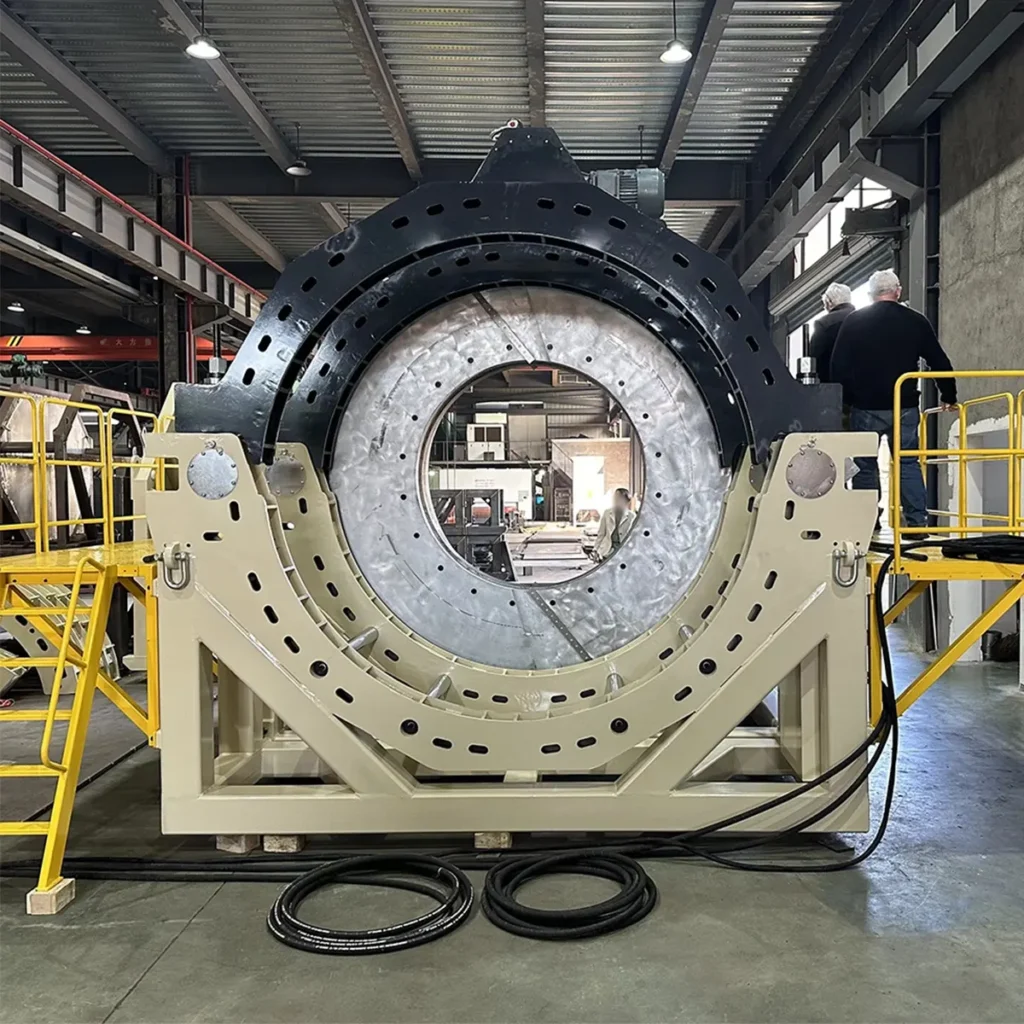
Looking for a reliable plastic pipe welder manufacturer for projects in Egypt? Whether you’re upgrading municipal water networks in Cairo, expanding irrigation systems in the Nile Delta, or building gas distribution lines around Alexandria and Suez, choosing the right HDPE welding equipment is critical for long-lasting pipeline performance.
Why Egypt Needs Reliable Plastic Pipe Welders
Egypt’s infrastructure projects face unique challenges: high ambient temperatures, sandy environments, and a growing demand for resilient water and gas networks. Contractors and utility companies need welding machines that deliver consistent butt fusion quality across a wide range of diameters, withstand harsh site conditions, and come with dependable parts and service.
Types of Welders Suited to Egyptian Projects
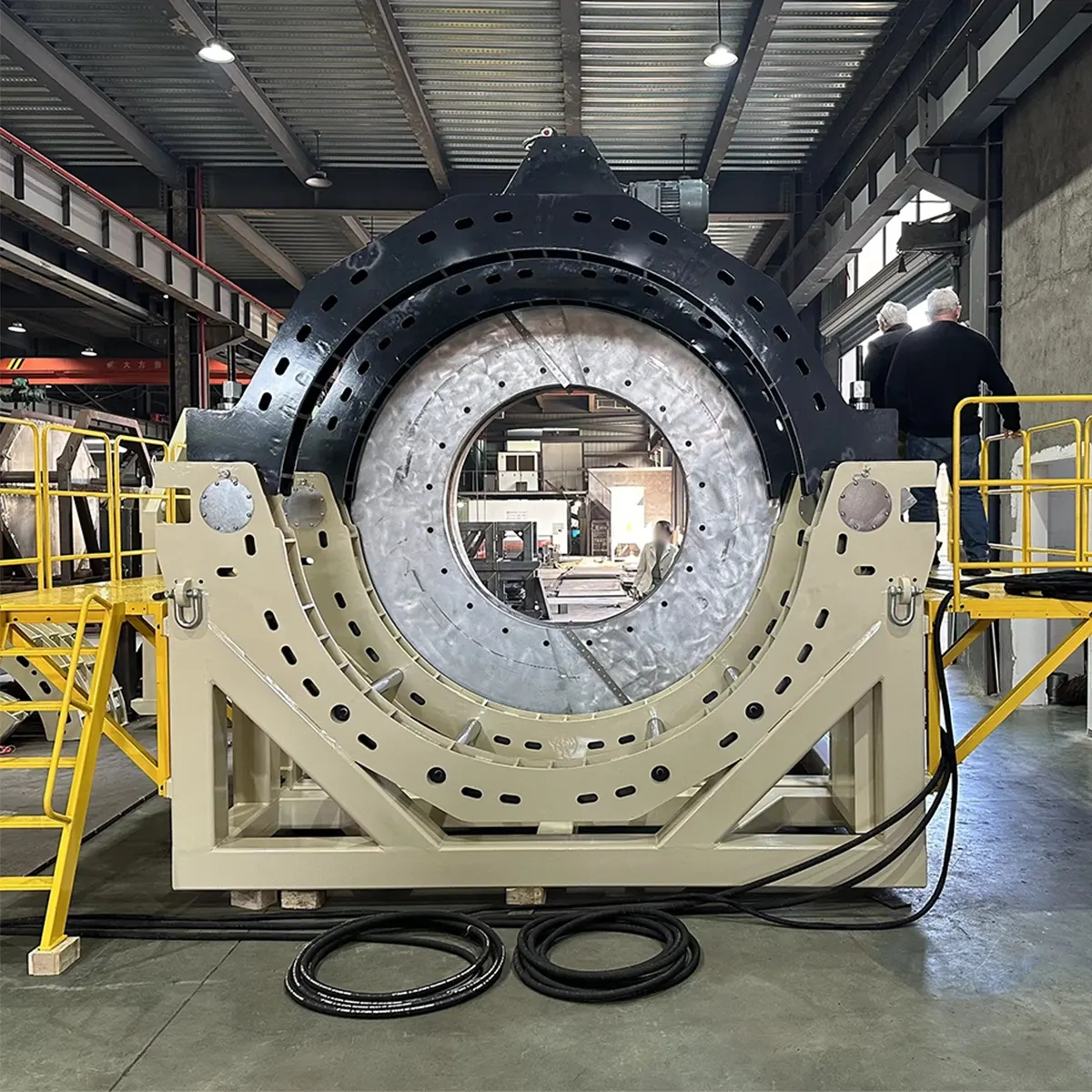
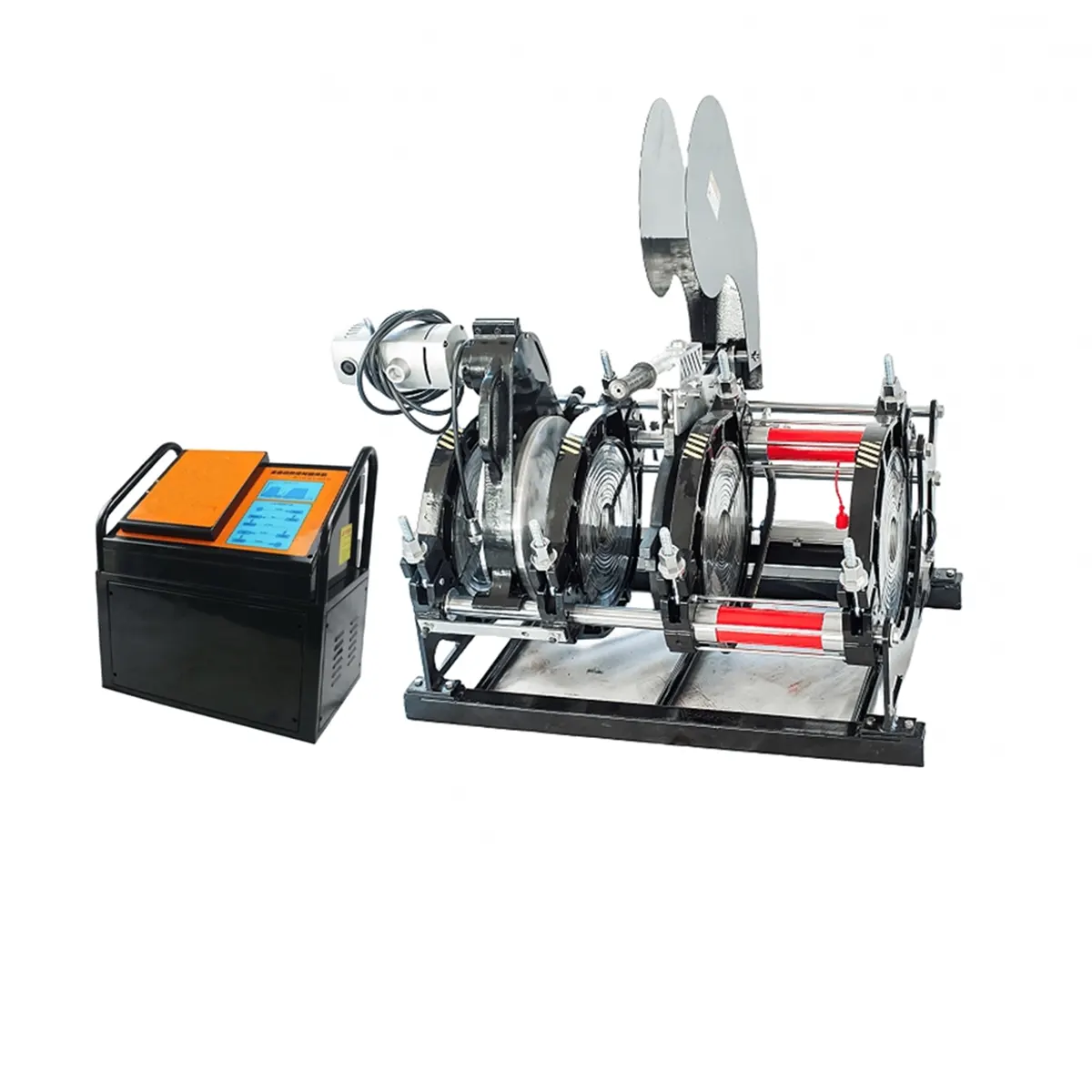
Manual machines — ideal for smaller-diameter pipes and remote irrigation works where portability and low maintenance matter. Hydraulic models — best for mid to large diameters, heavy-duty site use and faster production. Automatic / CNC butt fusion machines — perfect for urban and industrial projects requiring precision, repeatability, and data logging for quality assurance.
| Machine Type | Diameter Range | Best For | Key Advantage |
|---|---|---|---|
| Manual Butt Fusion | 16mm – 250mm | Irrigation, small repairs | Lightweight, low cost |
| Hydraulic Butt Fusion | 160mm – 2000mm+ | Municipal water, large pipelines | High force, durable |
| Automatic / CNC | 20mm – 1200mm (varies) | Industrial, certified works | Precision, data logging |
Key Features to Prioritize
Durability against heat and dust: Robust components and sealed electronics help machines last longer in Egypt’s climate. Wide diameter compatibility: Ensure the machine covers both small service pipes and large trunk mains. Reliable heating plates & trims: Uniform heating and precise facing reduce rework and leakage risk.
Local Support, Parts & Training
Look for suppliers who can arrange spare parts shipping to major Egyptian ports (Alexandria, Port Said) and provide technical training for onsite welders. Fast access to spare heating elements, clamps and hydraulic components minimizes downtime on critical projects.
Certifications & Project Compliance
For potable water and gas distribution, verify material and machine compliance with international standards (e.g., ISO/EN) and request sample weld test reports. Machines with traceable welding records help meet contractor and government inspection requirements.
What to Ask a Manufacturer
Warranty & service terms — Clarify spare parts lead times and on-site service availability. Training & manuals — Ensure documentation and operator training in English and Arabic if required. Shipping & customs support — Request FOB/CIF options and assistance with Egyptian import procedures.
JQ-Fusion is a professional manufacturer specializing in HDPE pipe welding machines, providing reliable butt fusion solutions for global infrastructure projects. With years of industry experience, we focus on the development and production of manual, hydraulic, and CNC automatic butt fusion welding machines, covering a wide range of pipe sizes from small to large diameters. Our products are widely used in water supply, gas distribution, mining, and industrial pipeline systems. We are committed to delivering high-quality, durable, and customizable welding equipment to meet diverse project requirements. Supported by advanced manufacturing facilities, strict quality control processes, and a responsive service team, we have built long-term partnerships with distributors and contractors worldwide. From standard models to tailored solutions, we help our clients achieve efficient, precise, and reliable pipe welding performance. Learn more at https://jq-fusionwelding.com/
Next Steps for Egyptian Buyers
Request machine specifications and weld test samples for the pipe sizes you use most. Compare total cost of ownership — including training, parts availability, and field support — rather than just the purchase price. For large municipal or industrial contracts, insist on documentation and traceable welding records to meet regulatory and tender requirements.



