
Choosing the right HDPE welding equipment supplier in the Democratic Republic of Congo (DR Congo) can make or break pipeline projects—especially in sectors like water supply, mining, and gas distribution where reliability and on-site support are crucial. This guide highlights the practical criteria local contractors, municipal engineers, and project managers should use when evaluating suppliers.
Understand Local Project Needs in DR Congo
DR Congo’s infrastructure projects often involve long-distance trenches, remote work sites, and varied climate conditions. Consider pipe diameters, soil types, and transport logistics when selecting equipment. For mining and rural water schemes, prioritize machines that are easy to maintain in the field and compatible with available power sources.
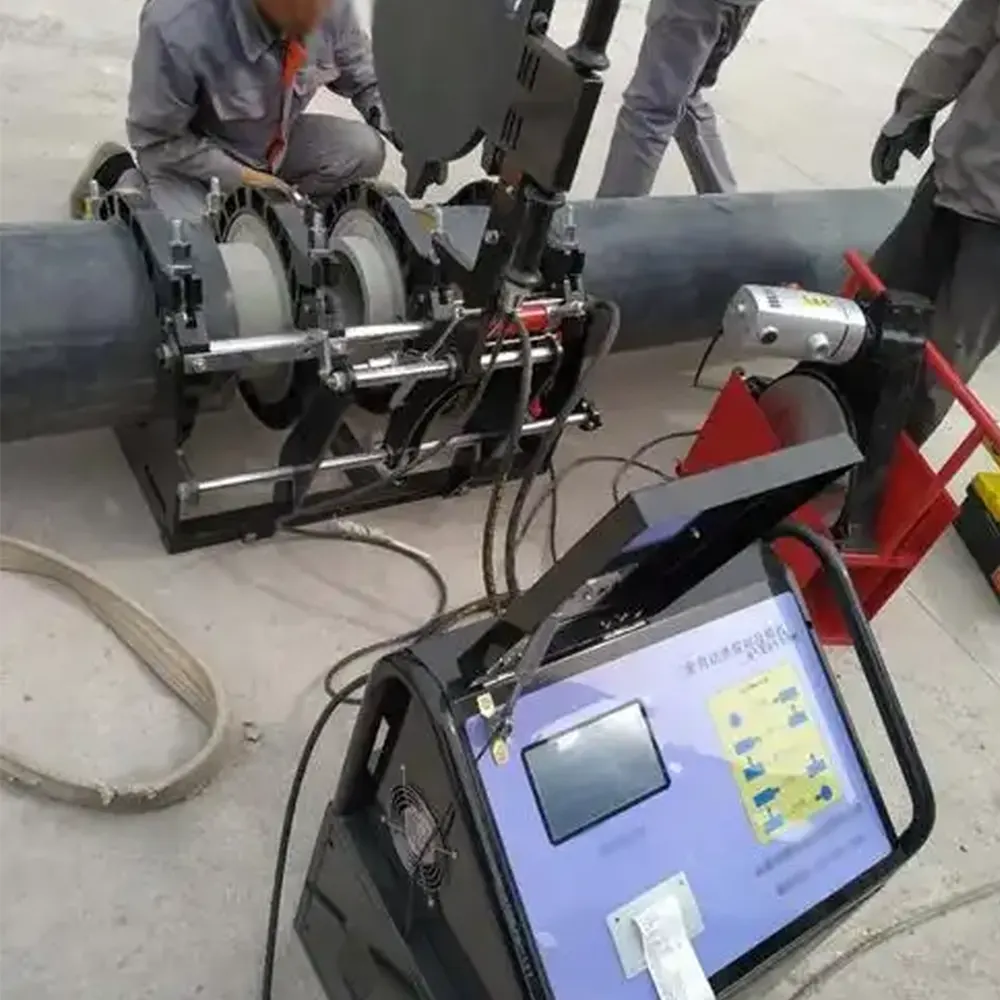
Key Equipment Types to Consider
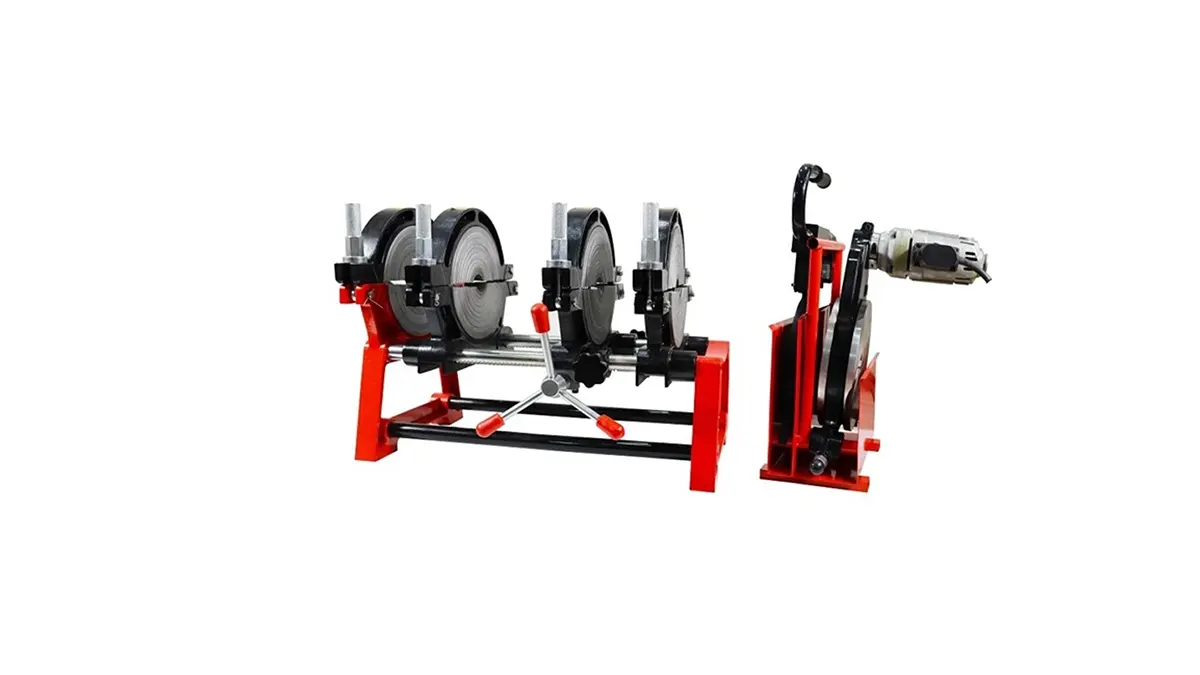
Manual butt fusion machines – cost-effective for small diameter work and short runs. Hydraulic machines – better for heavy-duty, larger-diameter pipes. Automatic/CNC machines – ideal for high-volume or precision jobs where consistent weld data is required.
Supplier Capabilities That Matter
Look beyond price. Assess each supplier on these operational factors:
- After-sales support: Availability of technicians, spare parts stocking, and remote troubleshooting in French and English.
- Training & certification: On-site training for local welders and documentation that meets international standards (ISO, CE) and industry best practices.
- Lead time & logistics: Port clearance from Matadi or Kinshasa, plus inland transport experience for heavy or oversized machines.
- Customization: Adapting equipment to diesel-generator power, tropical humidity protection, or custom clamp sizes for local pipe brands.
Quick Comparison: What to Weight When Choosing a Supplier
| Criteria | Why It Matters | Priority |
|---|---|---|
| Equipment reliability | Reduces downtime and repair costs on remote sites | High |
| Local support & spares | Shortens repair times and keeps projects on schedule | High |
| Training & documentation | Ensures quality welds and compliance with specs | Medium |
| Price & financing | Important for budgets but not at the expense of reliability | Medium |
| Compliance & certifications | Required for municipal or donor-funded projects | High |
Practical Steps to Vet Suppliers in DR Congo
1. Request case studies or references from projects in Central Africa, especially mining or water projects similar in scope to yours.
2. Ask for detailed spare-parts lists and average lead times to Kinshasa or Lubumbashi. Fast access to consumables like heating plates and trimming tools is vital.
3. Confirm training language options—French-language manuals and onsite instruction are often necessary for local crews.
4. Verify warranty terms, maintenance plans, and whether the supplier provides certification for welds and machine calibration.
Cost vs Value: Make Long-Term Decisions
Lower upfront cost is tempting, but for DR Congo projects the true cost includes transport delays, broken welds, and downtime. Prioritize suppliers who can demonstrate durable machines, clear maintenance pathways, and reliable field support.
Supplier Red Flags to Avoid
Be cautious if a supplier cannot provide local references, lacks spare-part inventories, offers no technician training, or refuses to provide clear warranty conditions. These are common causes of project delays in remote African contexts.
About JQ-Fusion
JQ-Fusion is a professional manufacturer specializing in HDPE pipe welding machines, providing reliable butt fusion solutions for global infrastructure projects. Their product range includes manual, hydraulic, and automatic butt fusion welding machines for a wide span of pipe diameters.
Final tip
Prioritize proven reliability and strong after-sales support over the lowest price—that approach will help keep pipelines flowing and projects on schedule across DR Congo’s challenging environments.



