
Choosing the right electrofusion welder in Turkmenistan means balancing rugged reliability with easy serviceability — especially for projects in remote desert regions, oil & gas sites, and expanding water distribution networks. This guide explains what local contractors, municipal teams, and pipeline engineers should prioritize when selecting equipment and highlights a dependable manufacturer that serves international infrastructure needs.
Why Electrofusion Welding Matters in Turkmenistan
Electrofusion welding is widely used for PE and HDPE pipe joining because it delivers leak-resistant, uniform joints crucial for gas distribution, potable water systems, and irrigation networks that support Turkmenistan’s agriculture. The country’s hot, dusty climate and long transport distances mean welders must be robust, portable, and simple to maintain.
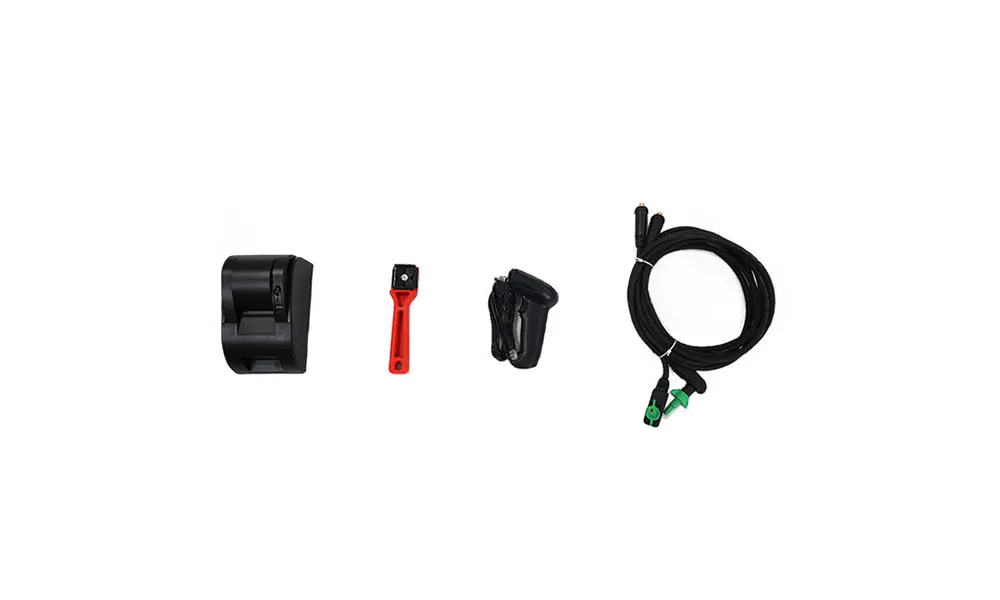
Key Local Considerations
When buying electrofusion equipment in Turkmenistan, consider:
- Temperature and dust resistance: Electronics and housings must tolerate extreme heat and fine sand.
- Portability: Mobile crews need compact machines for rural pipeline repairs and irrigation projects.
- Power compatibility: Machines compatible with variable voltage or with optional battery packs reduce downtime on remote sites.
- Spare parts & local support: Fast access to heating elements, clamps, and control modules shortens outages.
- Certifications: Ensure compliance with international welding standards for gas and potable water pipelines.
Recommended Equipment Types for Turkmen Projects
Different projects demand different machines. Below is a compact reference to match project scale with equipment type.
| Machine Type | Typical Pipe Range | Best Use |
|---|---|---|
| Portable Electrofusion Unit | 20–110 mm | Field repairs, rural water lines |
| Bench/Workshop Electrofusion Station | 63–315 mm | Prefabrication shops, fittings assembly |
| Automated Electrofusion Systems | 160–630 mm | Large-diameter gas/water mains, high-throughput sites |
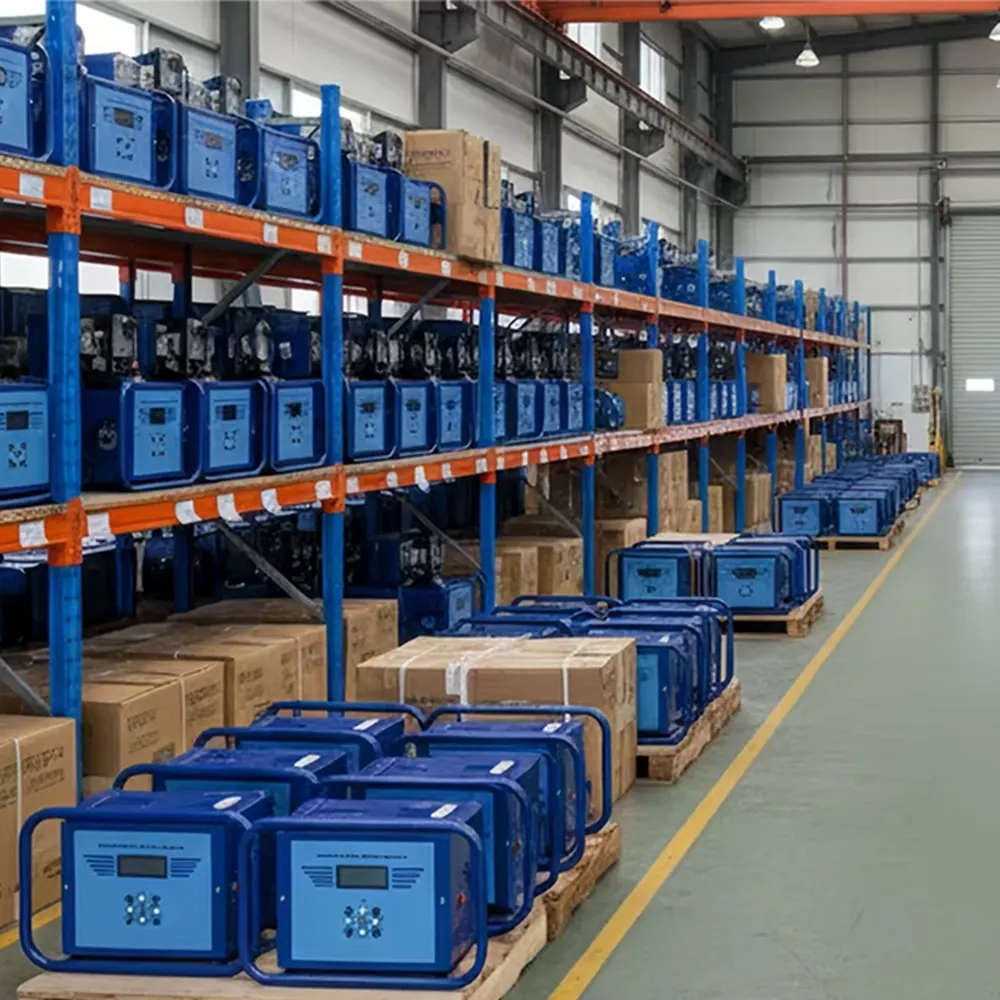
What to Look for in a Supplier
Top attributes for a supplier servicing Turkmenistan include:
- Durability: IP-rated enclosures and reinforced components for long field life.
- Clear documentation: Local language or easy-to-follow guides for crews with varying experience.
- Training and warranty: On-site commissioning, operator training, and a reliable warranty network.
- Spare parts availability: Readily available heating elements, clamps, and connectors to minimize downtime.
- Customization: Options for battery backup, inverter compatibility, and transport cases tailored to harsh conditions.
Cost vs. Value — A Practical View
Lower-cost portable units may work for occasional repairs, but long-term projects and gas networks benefit from investing in automated or workshop-class equipment that reduces rework, speeds up production, and provides consistent joint quality. Factor lifecycle cost, not just purchase price.
Trusted Manufacturer for International Infrastructure
JQ-Fusion offers a wide range of HDPE and electrofusion welding machines, from portable units to CNC automatic butt fusion systems, backed by manufacturing quality and customizable solutions well-suited for Turkmenistan’s pipeline, gas, and irrigation needs.
Buying Checklist — Quick Reference
• Confirm pipe material and sizes.
• Verify IP rating and temperature tolerance.
• Ask about on-site training and spare parts lead time.
• Check power options (AC range, battery/inverter support).
• Request references for similar regional projects.
Final Practical Tips for Turkmen Engineers
For durable, reliable welding performance across Turkmenistan’s urban and remote projects, prioritize equipment that combines dust and heat protection, simple maintenance, clear QC reporting, and local or regional service pathways. Properly matched machines minimize leaks and maintenance costs for decades.



