
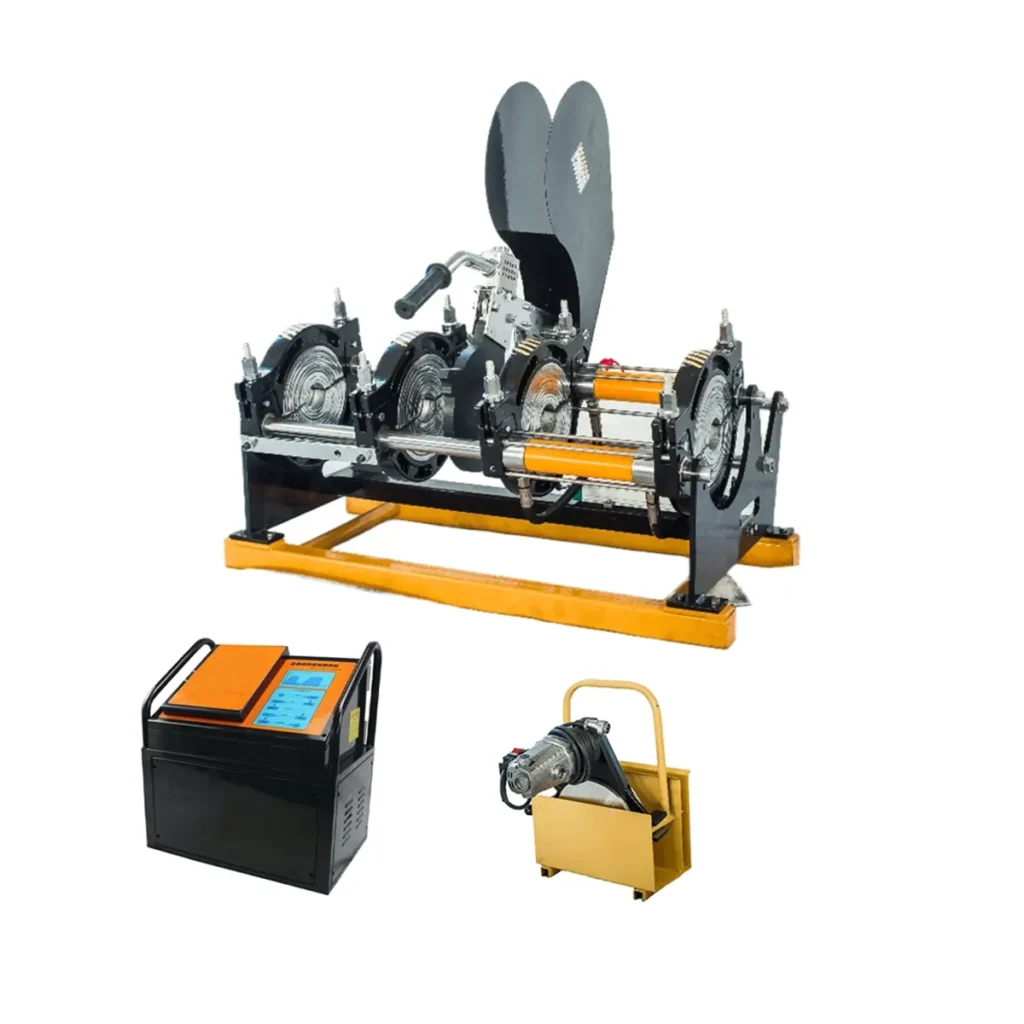
Buying a pipe fusion machine in the United States means balancing regulatory compliance, site conditions, and long-term productivity. This guide walks U.S. contractors, municipal engineers, and pipeline installers through practical considerations, common applications, and the key features to look for when investing in HDPE butt fusion and electrofusion equipment.
Why Choose a Dedicated Pipe Fusion Machine?
Pipe fusion machines provide leak-free joints and long-term reliability for thermoplastic pipelines. In the U.S., where infrastructure projects are governed by standards such as ASTM and AWWA for water and gas, a quality fusion machine can reduce downtime, limit warranty claims, and ensure compliance with field testing protocols.
Key Benefits for U.S. Projects
Consistent weld quality across long runs, reduced need for mechanical fittings, faster installation for large-diameter lines, and easier inspection and documentation for regulatory audits.
Buying Guide: What U.S. Buyers Should Evaluate
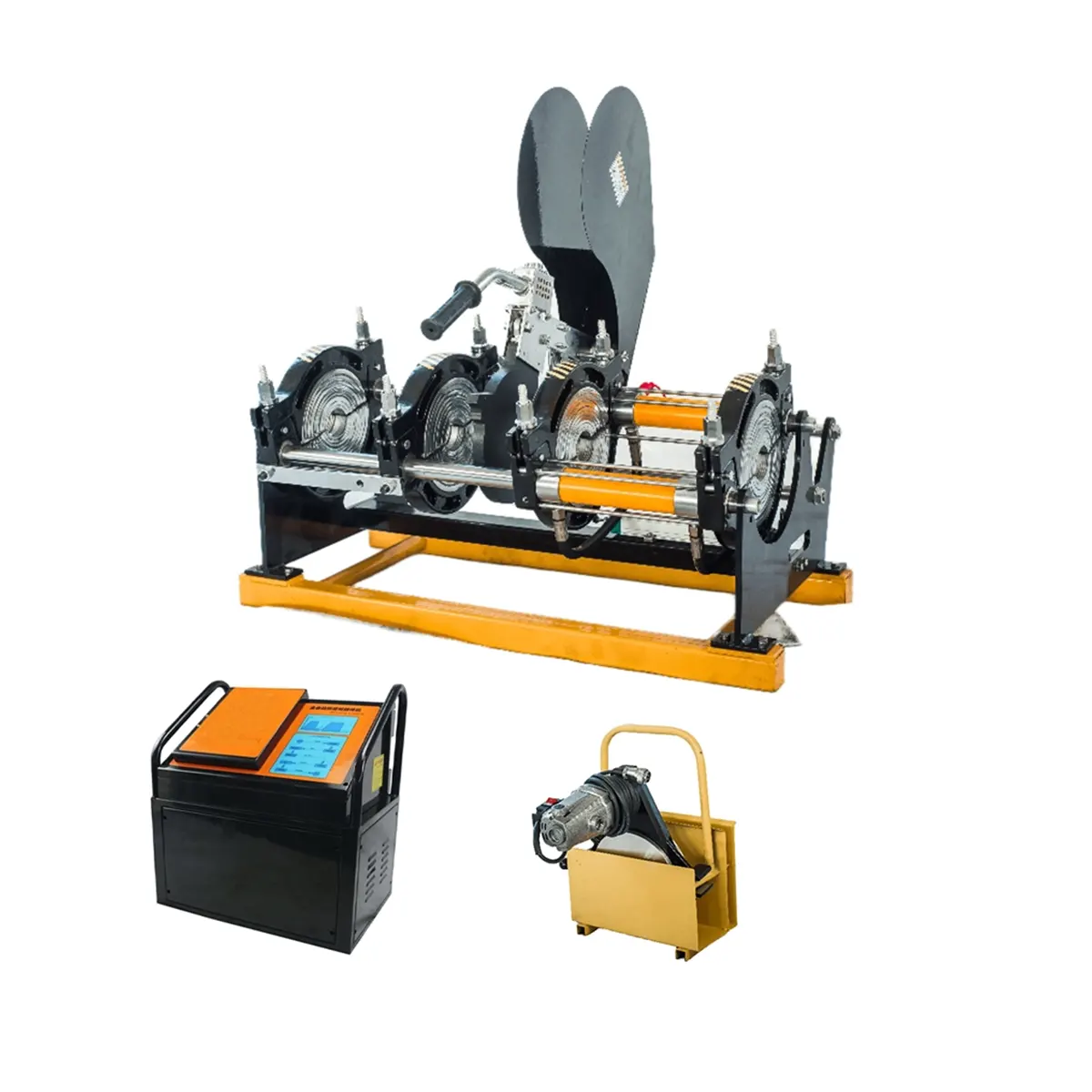
1. Machine Type and Automation Level
Choose between manual, hydraulic, and CNC automatic butt fusion machines depending on production volume. Manual units suit repair crews and small jobs; hydraulic and CNC automatic systems are preferred for long pipelines or large-diameter projects where repeatable precision is essential.
2. Pipe Diameter Range and Compatibility
Confirm the machine supports the HDPE, PE80, PE100, or other thermoplastic grades used in your U.S. projects and covers the pipe OD range you need—from small service lines (e.g., 20–160 mm) to large mains (e.g., 315 mm and above).
3. Local Standards & Documentation
Machines that provide traceable weld records and temperature/pressure logs help meet municipal and utility requirements. Look for units with digital controllers that store fusion parameters and export CSV or PDF logs for inspections.
4. Portability and Site Conditions
For trenchless or remote jobs, lightweight and modular machines make transport and setup easier. For fixed-plant or yard fabrication, larger hydraulic and CNC units offer higher throughput.
Common Uses of Pipe Fusion Machines in the United States
Water Supply & Sewer
Municipal water utilities use butt fusion machines for potable water mains, reclaimed water, and sewer systems due to the long-term integrity of welded joints.
Gas Distribution
Distribution networks increasingly use HDPE for gas mains and service lines; reliable fusion welding reduces leak potential and improves safety for public supply systems.
Irrigation & Agriculture
Growers and irrigation contractors favor fusion welding for durability and chemical resistance in irrigation pipelines across farms and greenhouses.
Industrial, Mining & Oilfield
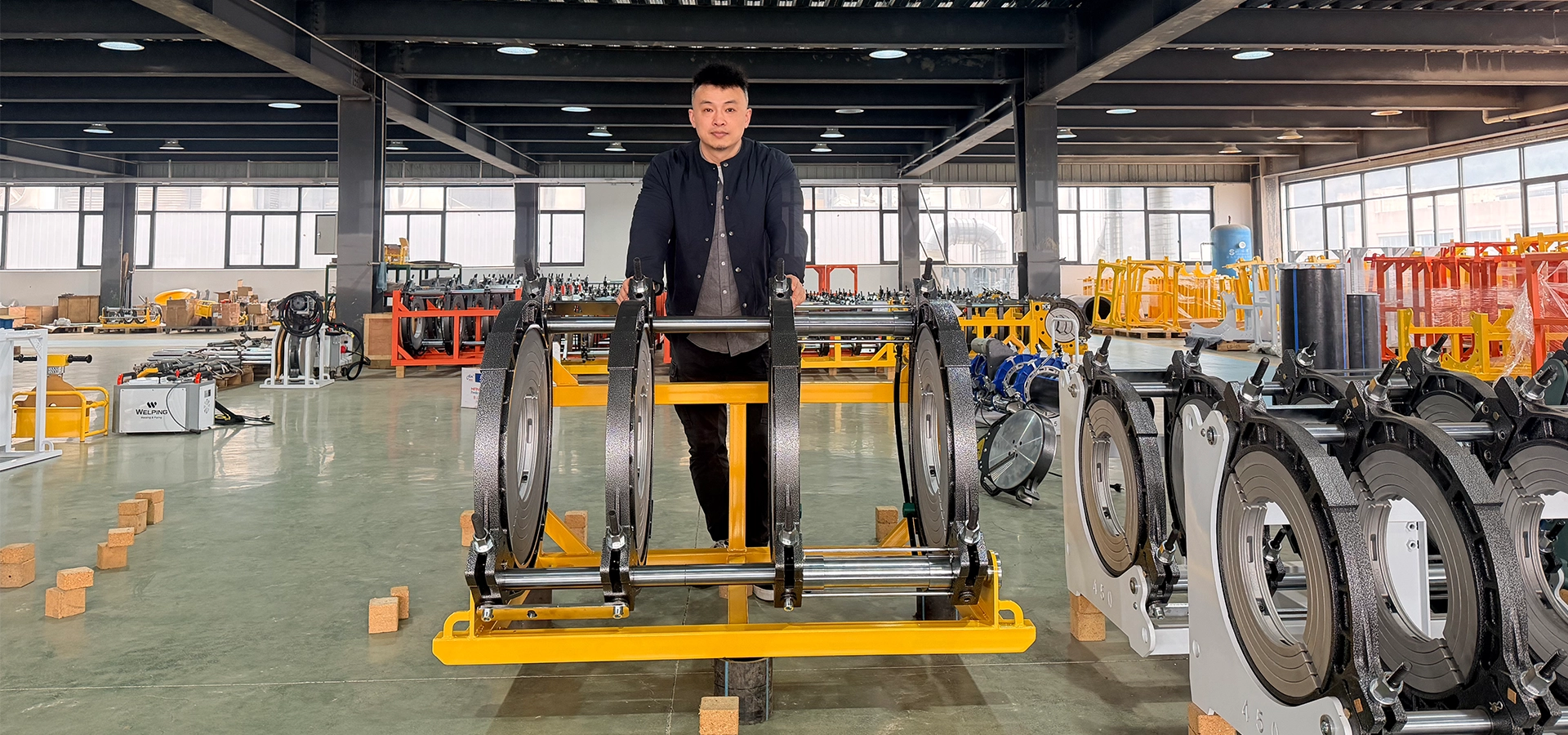
HDPE piping systems in industrial plants, mining operations, and secondary containment applications benefit from fusion technology that withstands abrasion and corrosive environments.
Key Features to Compare
When evaluating models, prioritize features that directly affect weld quality, productivity, and operator safety.
Essential Features
- Accurate heating and temperature control — consistent heating plate performance prevents under- or over-welding.
- Precision alignment clamps and chucks — reduce mismatch and ensure concentricity.
- Digital hydraulic controls or CNC interfaces — for repeatable axial pressure and fusion timing.
- Traceable logging — data export for compliance with inspection standards.
- Robust construction — corrosion-resistant components and easy maintenance for field use.
Quick Comparison Table: Machine Types
| Type | Typical Pipe Range | Best For | Standout Feature |
|---|---|---|---|
| Manual Butt Fusion | 20 mm – 160 mm | Small repairs, service lines | Lightweight & portable |
| Hydraulic Butt Fusion | 90 mm – 1200 mm+ | Large mains, yard fabrication | High clamping force & durability |
| Automatic / CNC Butt Fusion | 160 mm – 2000 mm | Production welding, pipeline contractors | Repeatable, logged weld parameters |
| Electrofusion Machine | Service tees & fittings | Repairs and complex fittings | Automated voltage/current control |
Maintenance, Training & Safety (U.S. Focus)
U.S. contractors should implement routine maintenance plans and operator certification to ensure safe, compliant fusion practice. Keep spare heater plates, cutters, and hydraulic oil on hand. Provide in-house training or certified courses so crews can document operator competence during regulatory audits and safety reviews.
Buying Tips for U.S. Procurement Teams
Request detailed technical datasheets, sample weld logs, and reference projects in North America. Evaluate lead times, local parts availability, and whether the supplier offers on-site commissioning or remote support. Consider resale and rental markets in your region if you need short-term capacity.
Where to Source Machines and Support
For OEM options and tailored solutions, check manufacturers that offer a range of manual, hydraulic, and CNC butt fusion machines with export experience and global service networks. One such manufacturer is JQ-Fusion, who provides HDPE pipe welding equipment for infrastructure, mining, and industrial pipeline systems.
Final Considerations
Prioritize weld traceability, compliance with U.S. standards, and field-service access when selecting a pipe fusion machine. The right investment delivers safer pipelines, lower lifecycle costs, and smoother approvals from municipal and utility owners.



