
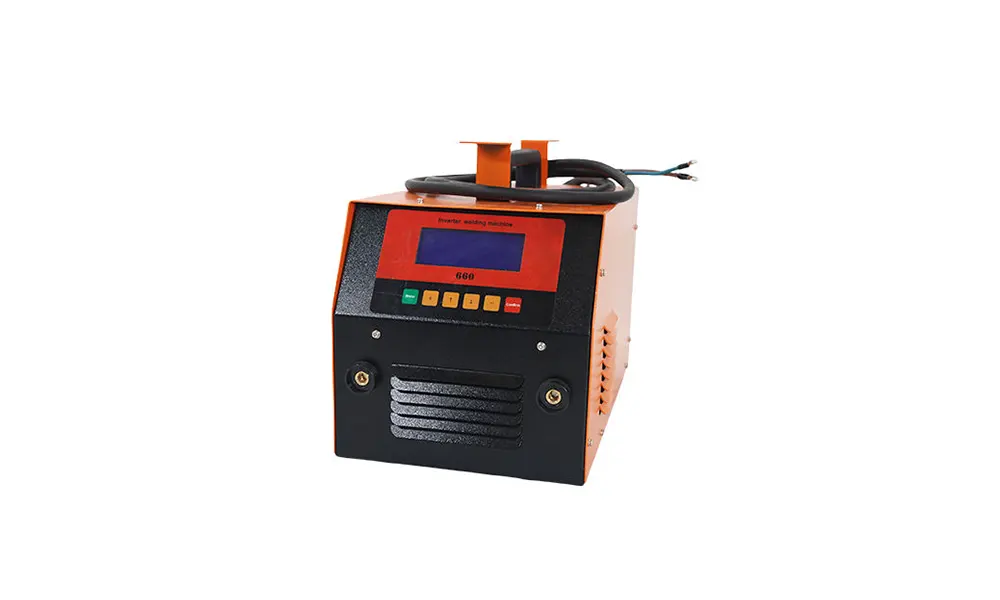
When people ask how long a welding machine can last, the real answer is not a single number. A machine may run for years in one workshop and fail early in another, even when both units come from the same brand. The lifespan of a welding machine depends on how it is built, how it is used, how often it is maintained, and whether it is matched to the job it was designed for. In industries such as pipeline construction, water supply, gas distribution, mining, and industrial installation, long service life is especially important because downtime can delay an entire project.
For companies and contractors who depend on reliable fusion equipment, choosing a durable machine is only the first step. Operating habits, environmental conditions, spare parts, and technical support all affect whether a machine stays accurate and efficient over time. If you are looking for dependable equipment for HDPE pipe projects, a high-quality butt fusion machine can make a major difference in long-term performance.
1. Build Quality Is the Foundation of Machine Lifespan
The strongest factor behind a welding machine’s lifespan is how well it is manufactured. A machine made with precision components, stable electrical systems, and durable hydraulic parts is more likely to keep working for many years. Poorly assembled machines may appear acceptable at first, but internal wear, inaccurate heating, weak clamping force, or unstable pressure can quickly reduce performance.
Key point: A well-built welding machine is not just more reliable on day one; it is also easier to maintain, calibrate, and repair over time.
Manufacturers with advanced production lines and strict inspection processes usually produce equipment that lasts longer. For example, temperature accuracy, clamp alignment, and hydraulic stability are all critical indicators of long-term durability. When these elements are controlled from the start, the machine is less likely to suffer from early failure.
2. The Type of Welding Machine Matters
Different machine types are designed for different workloads, and lifespan can vary depending on the model. Manual machines often have simpler structures and fewer electrical parts, which can make them durable in lighter-duty environments. Hydraulic machines are built for stronger clamping pressure and larger pipe diameters, but they require more attention to seals, oil condition, and pump performance. CNC automatic machines may offer high precision and productivity, but their lifespan depends heavily on electronics, software stability, and correct operation.
Choosing the wrong type of machine for the application can shorten its service life. A machine used beyond its intended capacity will wear out faster, overheat more often, and need repairs more frequently. Matching the equipment to the pipe size, material, and project scale is one of the smartest ways to extend longevity.
3. Operating Environment Has a Big Impact
Where the machine is used can strongly influence how long it lasts. Dust, moisture, heat, corrosion, and unstable power supply all reduce equipment life. Construction sites and outdoor pipeline projects often expose machines to rough conditions, so protection becomes essential. Even a high-quality unit can age quickly if it is regularly used in environments with heavy dust, rain, vibration, or extreme temperatures.
In remote or industrial locations, voltage fluctuations can also damage electrical systems and control panels. If a machine is frequently exposed to poor power quality, its internal circuits may degrade faster. Using proper stabilizers, protective covers, and storage practices can help avoid unnecessary damage.
Useful reminder: A dry, clean, and stable operating environment can significantly extend the life of welding equipment, especially for precision models.
4. Maintenance Frequency Directly Affects Service Life
Even the best welding machine will wear out early if maintenance is ignored. Routine care helps detect small issues before they become major failures. Checking heating plates, hydraulic oil, cables, clamps, control panels, and moving parts should be part of every maintenance plan. Regular cleaning also prevents debris from entering sensitive areas.
For hydraulic systems, oil quality is particularly important. Contaminated or degraded oil can reduce pressure stability and damage components. For electrical and automatic systems, loose wiring, dust buildup, and poor cooling can lead to overheating or inconsistent operation. Preventive maintenance is always cheaper than emergency repair.
Tip: A machine that is serviced on schedule often lasts much longer than a similar machine used without maintenance, even if both are the same model.
5. Operator Skill and Handling Make a Difference
The machine itself is only part of the equation. The operator’s skill level strongly affects lifespan because improper handling can damage key components. Excessive force, poor alignment, incorrect temperature settings, or rushed operation can all cause unnecessary stress. Repeated misuse may not stop the machine immediately, but it shortens its useful life over time.
Trained operators know how to prepare the pipe, set the right parameters, and monitor performance during the fusion cycle. They also understand when a machine is showing signs of trouble. In professional projects, training is not just about weld quality; it is also about protecting the equipment investment.
6. Load Intensity and Daily Working Hours Count
How hard and how often the machine works will naturally affect how long it lasts. A machine used occasionally in a small workshop will generally last longer than one used continuously in a large construction project. High-frequency operation increases wear on heating elements, hydraulic systems, clamps, and electronic controls.
That does not mean heavy-duty use is a problem by itself. Industrial machines are designed for demanding jobs, but they still need adequate rest periods, cooling time, and proper maintenance. When a machine is pushed beyond its duty cycle every day, its lifespan drops quickly.
For contractors handling large-scale pipeline projects, selecting equipment with the right capacity is essential. A machine that is too small for the task will always work harder than it should, while an appropriately rated unit can perform the same job with less strain.
7. Spare Parts Availability and Service Support Extend Life
Long machine life depends not only on design but also on the ability to replace worn parts quickly. Bearings, seals, switches, cables, heating elements, and hydraulic components may eventually need replacement. When spare parts are easy to obtain, the machine can return to service faster and continue working for many more years.
This is why manufacturer support matters. Companies that provide technical guidance, parts supply, and after-sales service help customers protect their investment. A machine that is difficult to repair may be abandoned early, even if its frame is still in good condition. Reliable support systems are a hidden but powerful factor in lifespan.
Important insight: The lifespan of a welding machine is not only about how long it runs before failure, but also about how easily it can be restored when parts wear out.
8. Storage Conditions Should Not Be Ignored
When a welding machine is stored correctly, it stays in better condition and needs fewer repairs. Storing equipment in a dry indoor space helps prevent rust, corrosion, and dust buildup. Cables should be coiled properly, clamps should be cleaned, and hydraulic systems should be kept in stable condition during downtime.
Machines left outdoors or in damp warehouses often suffer from hidden damage. Over time, moisture can affect metal surfaces, electronic boards, connectors, and moving parts. Proper storage may seem simple, but it plays a major role in extending equipment life.
9. Product Customization Can Support Longer Life
In many projects, standard equipment is not always the best choice. Customization can improve lifespan because the machine is designed for a specific workload, voltage environment, pipe diameter range, or operating style. When a machine is tailored to the real application, it is less likely to be overloaded or misused.
Manufacturers offering OEM and ODM services can adjust color, size, voltage, branding, and functional configuration to match project needs. This flexibility helps contractors and distributors choose a machine that fits both the technical requirements and the long-term operating environment. In practical terms, the better the match, the longer the machine is likely to serve.
JQ-Fusion focuses on durable and customizable equipment for global pipeline projects, including manual, hydraulic, and CNC automatic solutions. With more than 20 years of industry experience, the company supports a wide range of applications where long-term stability matters. Its manufacturing approach emphasizes stable performance, strict testing, and efficient delivery for customers around the world.
10. Signs That a Welding Machine Is Aging
As a machine gets older, it usually starts showing warning signs before a full breakdown happens. Common symptoms include unstable temperature control, slower hydraulic response, unusual noise, reduced clamping force, uneven heating, and visible wear on cables or connectors. These signs should not be ignored.
When the machine starts to lose accuracy or needs more frequent repairs, it may still be usable, but its effective lifespan is entering a later stage. At that point, a careful inspection can determine whether repair, part replacement, or full replacement is the best choice. Monitoring these signs early can prevent unexpected project delays.
How to Extend the Lifespan of a Welding Machine
The most effective way to extend lifespan is to combine good purchasing decisions with disciplined operation. Choose a machine from a trusted manufacturer, use it within its rated limits, maintain it on schedule, train operators properly, and protect it from bad environmental conditions. These actions may sound basic, but they create a major difference over several years of use.
For many buyers, the lowest initial price is not the best value. A machine that needs constant repair or replacement costs more in the long run. Durable construction, strong quality control, and dependable support usually deliver the best return on investment. That is why professional buyers often focus on total lifecycle cost rather than just the purchase price.
Best practice: Invest in quality, train users, maintain regularly, and store correctly. These four steps have a bigger effect on lifespan than most buyers expect.
FAQs
1. How many years can a welding machine last?
A well-made welding machine can last many years, often well beyond a decade, if it is used properly and maintained regularly. The exact lifespan depends on workload, environment, and machine type.
2. What is the most common reason welding machines fail early?
Neglected maintenance is one of the most common reasons. Dust buildup, poor lubrication, contaminated hydraulic oil, and ignored warning signs can all shorten service life.
3. Does operator training really affect machine lifespan?
Yes. Skilled operators reduce unnecessary wear by using the correct settings, handling the machine properly, and avoiding misuse that can damage components.
4. Can a machine last longer if spare parts are easy to get?
Absolutely. Easy access to spare parts and technical support makes repairs faster and more cost-effective, which helps keep the machine in service for a longer period.
5. Is it worth buying a more expensive welding machine?
Often, yes. A higher-quality machine may cost more at the start, but it can deliver better reliability, lower maintenance costs, and a much longer service life.



