When a pipeline project moves from planning to execution, one question often comes up at the exact moment equipment is needed: Where can I find a butt fusion machine rental near me? For contractors, municipal teams, utility installers, and industrial operators, renting can look like the fastest way to stay on schedule without committing to a large capital purchase. But the real answer is not as simple as searching nearby listings. The best rental option depends on pipe diameter, welding frequency, site conditions, technical support, and whether the machine can deliver consistent, code-compliant joints in the field.
Butt fusion welding is widely used for HDPE pipe systems because it creates a strong, continuous bond that performs well in water supply, gas distribution, mining, and industrial pipeline applications. However, not every rental machine is suitable for every project. Choosing the wrong unit can lead to weak welds, wasted time, and expensive delays. That is why many buyers start locally, then expand their search to manufacturers, distributors, and specialized suppliers that can provide the right equipment quickly, even if they are not physically next door.
In many cases, the smartest answer to the “near me” question is to focus on availability, support, and delivery speed rather than distance alone. A professional supplier with fast shipping, technical guidance, and reliable stock can often be more useful than a nearby rental shop that has older equipment or limited size options. If your project requires a dependable butt fusion machine, it is worth considering both local rental channels and direct manufacturers that serve global markets.
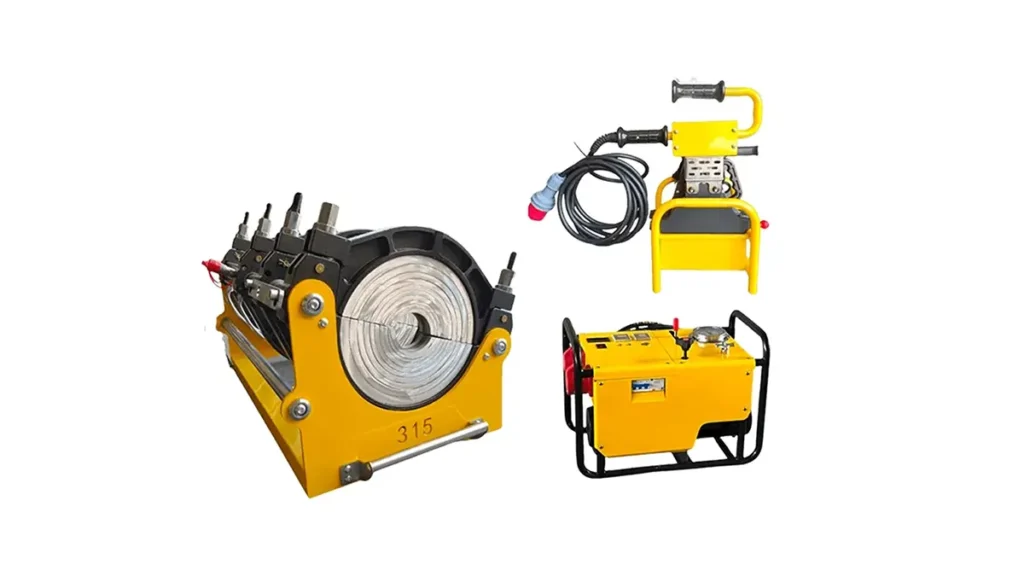
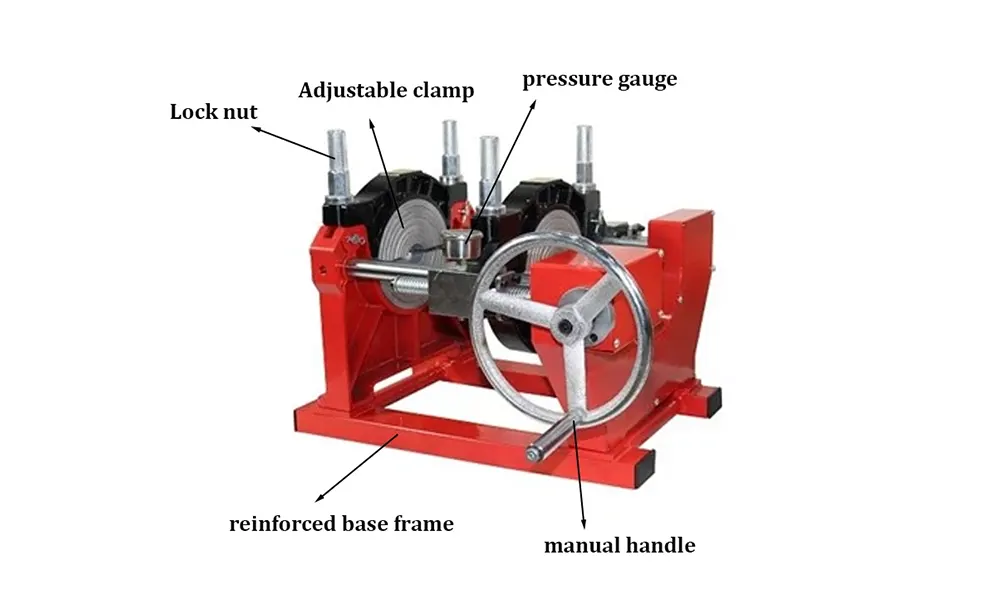
To find the right rental source, start with the type of machine your project actually needs. Butt fusion equipment is typically available in manual, hydraulic, and CNC automatic models. Manual machines are often used for smaller jobs and lower budgets. Hydraulic models are common for medium to large pipe diameters and provide better clamping force and alignment control. CNC automatic machines are ideal when you need higher repeatability, precise temperature and pressure management, and reduced operator variability. The larger the pipe and the more demanding the project, the more important it becomes to rent a machine with strong stability and accurate controls.
Another important factor is pipe size. Rental availability often varies by diameter range, and that can affect both price and logistics. A machine that handles small-diameter pipe for residential or light utility work may not be suitable for municipal trunk lines or industrial systems. Before contacting a supplier, confirm the outer diameter range, SDR compatibility, power supply requirements, heating plate size, and whether the machine includes the right inserts and accessories for your pipe specification. These details may seem small, but they directly determine whether the rental will actually work on site.
Pro tip: ask for the machine’s temperature accuracy, hydraulic pressure stability, and clamp alignment inspection records. These are not just technical details; they are the foundation of weld quality. A machine that looks fine on paper may still produce inconsistent joints if the heating plate is unstable or the clamping system is worn.
When searching locally, begin with industrial equipment rental companies, pipe fusion specialists, welding tool suppliers, and contractors that rent out their own machinery. Search terms such as “butt fusion machine rental,” “HDPE pipe fusion rental,” and “hydraulic fusion welder rental near me” can help, but do not stop there. Call and ask direct questions about brand, model age, maintenance frequency, available training, and whether the equipment comes with operator support. Some rental businesses can also arrange delivery to the jobsite, which makes them effectively “near” even if they are not in your immediate neighborhood.
It is also worth checking whether the supplier offers on-site setup assistance or remote technical support. Butt fusion welding is highly dependent on process control, including facing, heating, changeover timing, fusion pressure, and cooling time. If your crew is experienced, rental may be straightforward. If not, support becomes a major value factor. A machine that is rented cheaply but arrives without guidance can become the most expensive option on the project.
Some projects do not need a rental shop at all. For long-term, repeated, or multi-site work, a direct supplier may offer a better commercial solution than a short-term rental. Manufacturers with strong stock capacity can often ship quickly, customize voltage or color, and provide project-specific configurations. That is especially useful for contractors working across regions with different power standards or jobsite requirements. In those situations, a rental-like purchase decision may actually save more time and reduce dependency on local inventory.
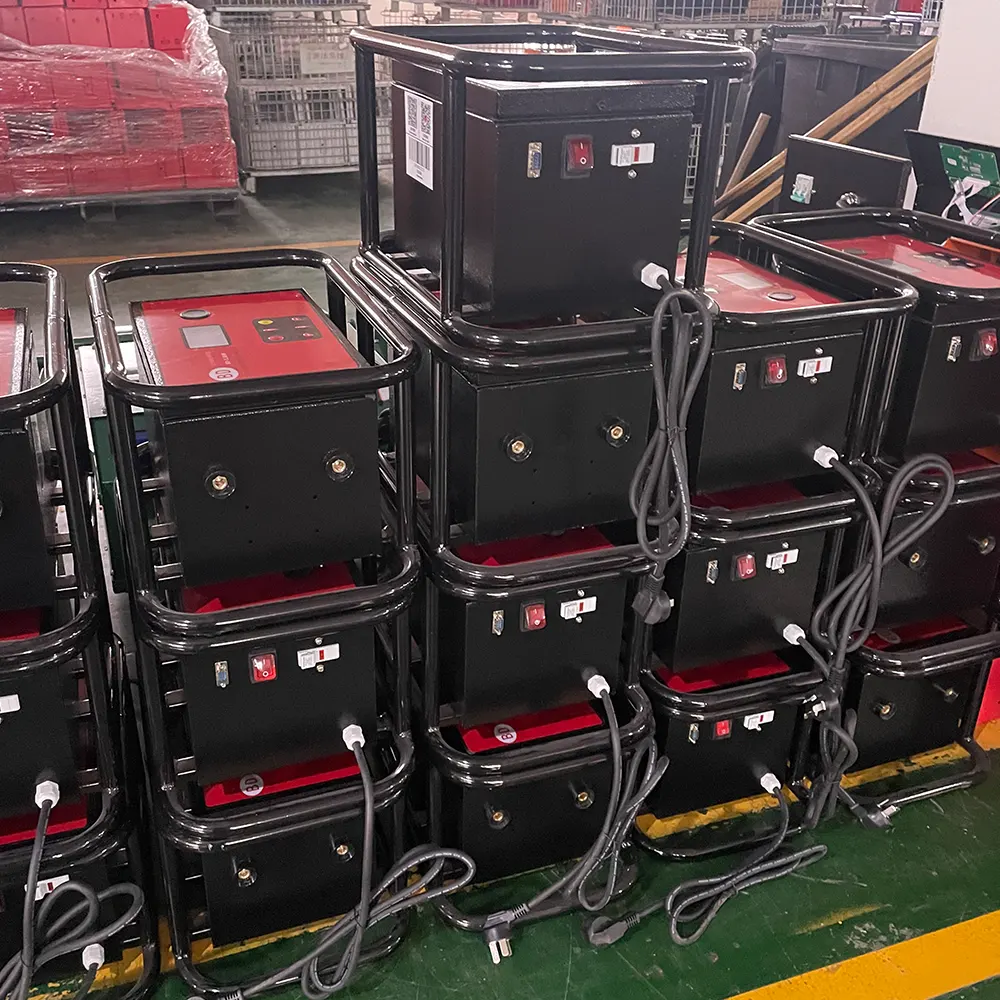
JQ-Fusion is one example of a manufacturer that supports global pipeline projects with a wide range of butt fusion welding solutions. With over 20 years of industry experience, the company focuses on manual, hydraulic, and CNC automatic machines for different pipe diameters and project types. That matters because not every supplier can cover small, medium, and large pipe work with the same level of consistency. For buyers who need reliable supply and technical backing, a manufacturer with modern production lines and strict quality control can be a strong alternative to traditional rental channels.
The benefit of working with a professional manufacturer is not only machine quality but also flexibility. OEM and ODM customization can be valuable if your project needs a specific machine size, voltage, branding, or operational setup. In the rental market, customization is rare. By contrast, a supplier with engineering capability can tailor the equipment to your operational needs, which helps improve efficiency and reduce installation friction. This is especially useful for distributors, large contractors, and organizations that handle repeated pipeline work and want consistent equipment across multiple teams.
Another reason many buyers compare rental and direct supply is lifecycle cost. Renting can be economical for one-off jobs, emergency repairs, or occasional field work. But if you need to weld often, rental fees can accumulate quickly. Add transport charges, downtime risk, late returns, and potential damage fees, and the total cost may exceed the price of owning or sourcing directly from a manufacturer. In those cases, the better question becomes: which option provides the most reliable output per dollar spent?
Checklist before you rent or buy: confirm pipe size range, voltage, power source, clamp alignment, heating plate accuracy, pressure system stability, delivery time, and after-sales support. These factors determine whether the machine will truly fit the job.
For teams operating in water supply and gas distribution, welding quality is more than a technical preference; it is a safety and compliance issue. Poor fusion can lead to leakage, service interruptions, and costly rework. That is why equipment certification matters. Suppliers whose products are manufactured in compliance with international standards and certified by organizations such as SGS can give buyers more confidence in product reliability. Certification does not replace proper operation, but it does reduce uncertainty when you are sourcing equipment for critical infrastructure.
Speed also matters. If your project timeline is tight, a supplier with large inventory and fast delivery can be just as useful as a nearby rental depot. Many contractors assume local is always faster, but local availability is not guaranteed. A well-organized inventory, efficient logistics, and responsive support can sometimes deliver a machine to your site sooner than a regional rental chain can process a reservation. That is one reason global suppliers remain relevant even when customers start with a “near me” search.
Another practical tip is to ask whether the rental includes consumables, accessories, and spare parts. Heating elements, facing tools, liners, hydraulic components, and clamps may not always be included, yet they can affect project readiness. If the machine arrives without the correct accessories, your crew may lose a day waiting for additional items. A reputable supplier will be clear about what is included and what must be sourced separately.
For organizations that expect recurring work, it can be useful to evaluate a hybrid strategy. Rent for urgent jobs, but build a long-term relationship with a manufacturer for future projects. This approach can lower risk while keeping flexibility. You may start by renting a machine for a small project, then transition to direct purchasing once you understand the usage pattern, preferred model, and operational demands. Over time, that gives you more control over cost, training, and schedule reliability.
If your goal is dependable output, the supplier matters as much as the machine. Stable welding performance, strict quality assurance, fast shipping, professional support, and strong OEM capability all contribute to successful field work. The best equipment is not just the one that is closest to you; it is the one that arrives ready to perform and continues to deliver consistent welds throughout the project.
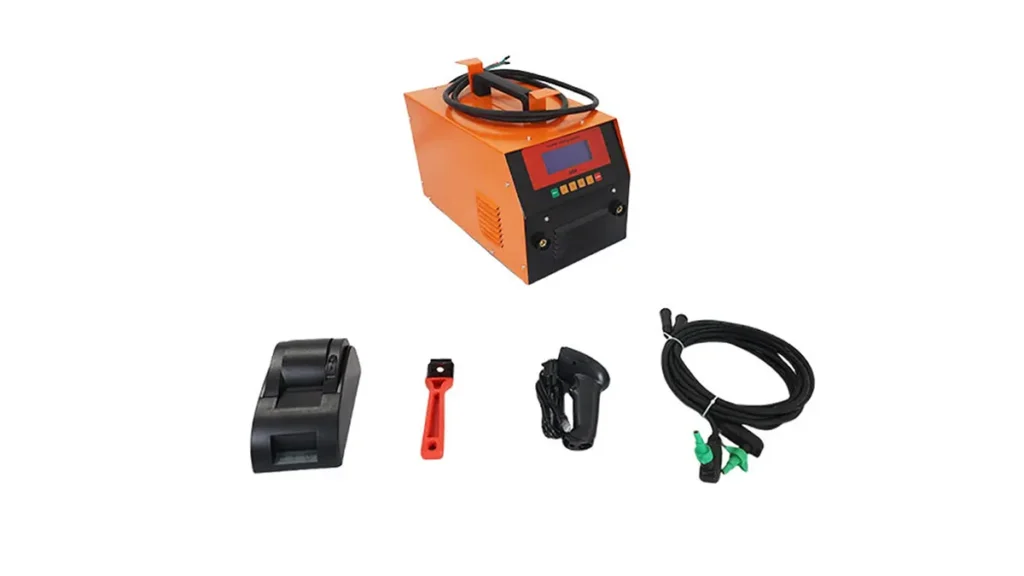
JQ-Fusion’s product range includes hydraulic butt fusion welding machines, automatic butt fusion welding machines, electrofusion welding machines, and multi-angle pipe fitting welding machines. This breadth is important because it shows that the company is not limited to a single use case. Contractors often need different solutions across one project or across multiple projects, and having a supplier that can support that variety simplifies procurement. When a source can cover different welding scenarios, it becomes easier to standardize equipment decisions.
Rental is best for: short-term work, emergency repairs, and projects with limited equipment demand. Direct supply is best for: recurring jobs, large pipe ranges, custom requirements, and teams that need reliable long-term support.
So where can you find a butt fusion machine rental near you? Start with local rental networks, but do not limit your search to them. Compare machine condition, technical support, delivery speed, and compatibility with your pipe size and project standards. In many cases, the most efficient answer comes from a professional supplier that can deliver quickly and support your work properly, even if they are not physically around the corner.
Frequently Asked Questions
Q1: Is renting a butt fusion machine cheaper than buying one?
It depends on usage frequency. Renting is often more economical for short-term or one-time jobs, while repeated use may make direct purchase or supplier sourcing more cost-effective.
Q2: What should I check before renting a machine?
Confirm pipe diameter range, voltage, heating plate accuracy, hydraulic stability, clamp alignment, and whether support or training is included.
Q3: Can a supplier ship a butt fusion machine quickly even if they are not local?
Yes. A manufacturer with strong inventory and logistics can sometimes deliver faster than a nearby rental shop with limited stock.
Q4: What type of butt fusion machine is best for large pipeline projects?
Hydraulic or CNC automatic machines are usually better for larger diameters and projects that require precise, repeatable welding performance.
Q5: Why should I consider a manufacturer instead of only searching for rentals?
Manufacturers can offer better stock availability, technical support, customization, certification, and long-term value for recurring pipeline work.