
Choosing the right HDPE pipe welding machine wholesaler in Estonia can save time, cut costs, and ensure durable pipeline joints in the region’s cold climate. This guide walks Estonian contractors, municipal procurement teams, and pipeline installers through the practical steps to evaluate wholesalers and pick the best partner for water, gas, and industrial pipeline projects.
Understand Your Project Requirements
Start by defining pipe sizes, material grades (PE100/PE80), and the welding method required — manual butt fusion, hydraulic butt fusion, electrofusion, or CNC automatic systems. Estonian projects often include long-distance water mains and gas distribution in sub-zero conditions, so prioritize machines rated for reliable performance in low temperatures and with appropriate insulation or heated control stations.
Key questions to answer
What pipe diameters will you weld? Do you need mobile units for rural sites or stationary machines for factory-level prefabrication? Will you require electrofusion fittings inventory alongside butt fusion machines? Clear answers narrow the pool of suitable wholesalers.
Evaluate Supplier Reliability & Compliance
Look for wholesalers who can demonstrate traceable quality control, CE marking or relevant EU conformity documents, and references from Baltic/Nordic projects. In Estonia, public tenders and municipal contracts often require documented compliance with EN standards — a reliable wholesaler will supply test certificates and welding procedure documentation.
Service footprint and logistics
Check whether the wholesaler offers spare parts, timely technical support, and training for welders in English or Estonian. Fast shipping from European hubs or direct ports such as Tallinn reduces lead time. If you operate on-site in remote municipalities, ask about delivery to construction depots and customs handling within the EU.
Technical Features to Prioritize
Focus on features that improve weld quality and field efficiency:
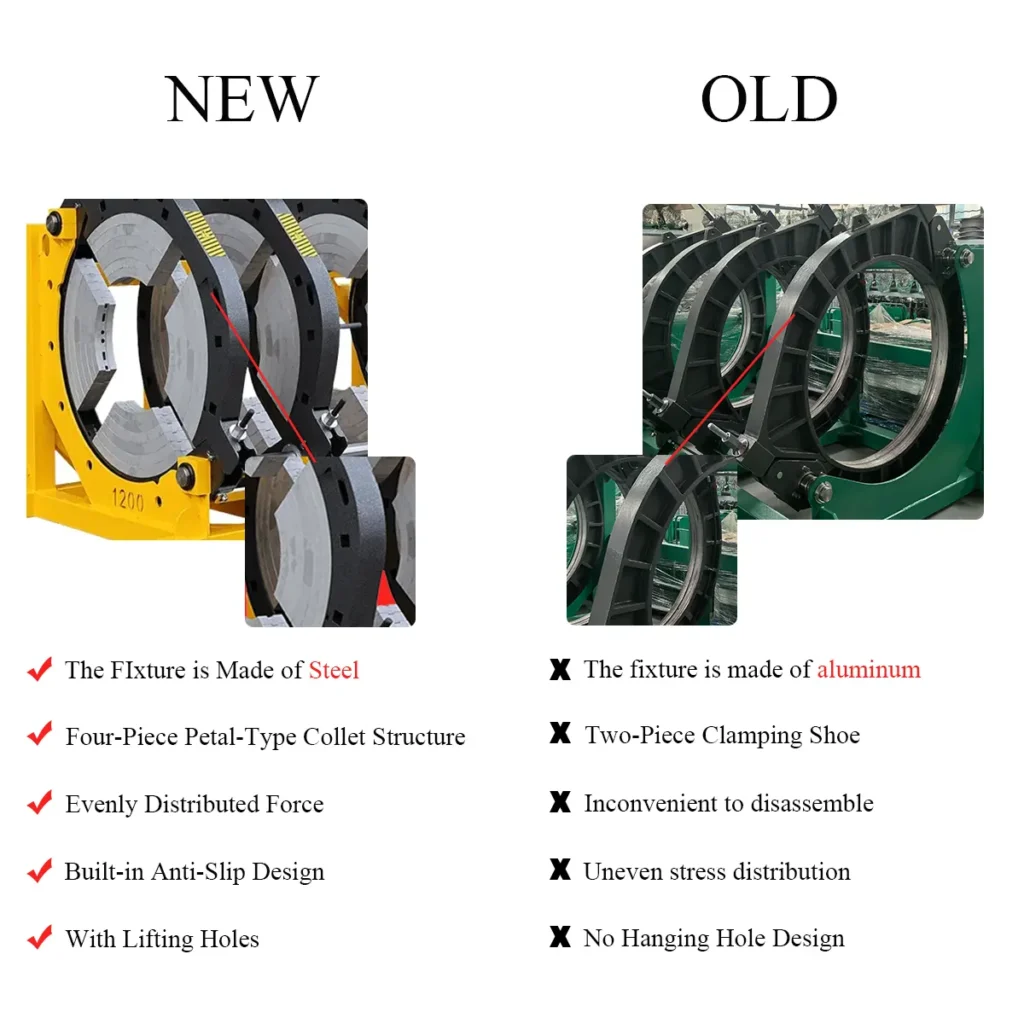
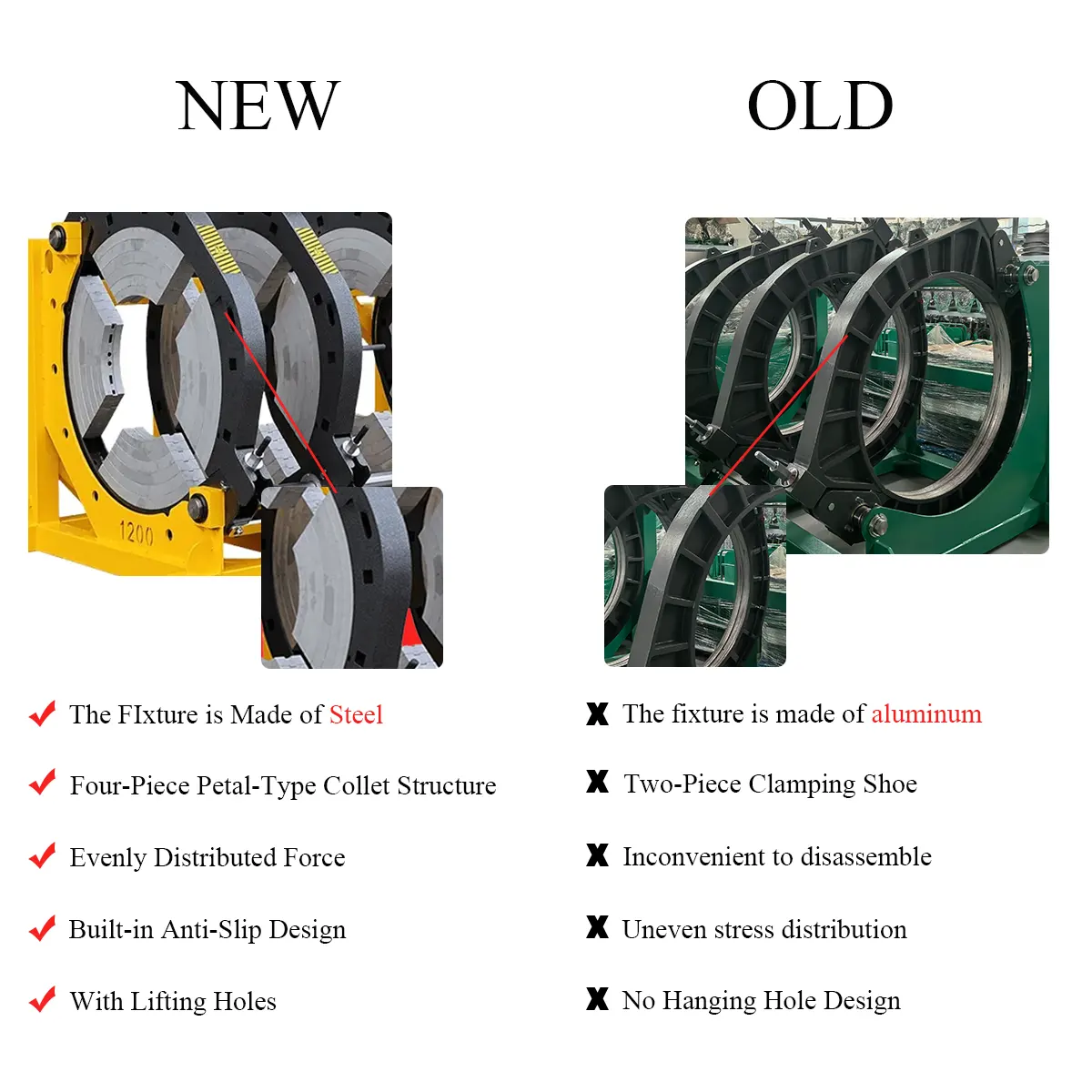
Precise heating element controls and stable hydraulic pressure for consistent fusion; durable clamps and jaws for cold-weather gripping; portable power options or generators for off-grid sites; intuitive control panels for faster operator training.
Compare Price vs. Long-Term Value
Low upfront price can hide higher lifecycle costs. Factor in warranty duration, spare part availability, consumables (heating plates, cutters, heaters), and expected maintenance intervals. For municipal projects with tight safety margins, paying more for certified, robust machines often reduces rework and liability.
Quick Comparison Table
| Selection Factor | What to look for |
|---|---|
| Pipe diameter range | Covers your project (e.g., 20mm–2000mm) |
| Cold-weather performance | Insulated control, reliable hydraulics |
| Certifications | EN/CE documentation and welding procedure records |
| Support & training | Local language support, on-site training options |
| Spare parts & consumables | Ready stock or fast shipping to Estonia (Tallinn port) |
Assess After-Sales Support & Training
Prioritize wholesalers offering certified training courses, operator manuals in English/Estonian, and remote troubleshooting. In Estonia’s fragmented construction season, quick response times for repairs or spare parts save costly downtime.
Local partnerships and warranties
Ask about local agents or partners in the Baltics, warranty terms, and options for extended maintenance contracts. A wholesaler that coordinates customs, transport to Tallinn, and supports CE paperwork simplifies procurement for municipal buyers.
Final Practical Steps
Request machine demonstrations or video welding logs, compare references from similar Baltic projects, and obtain a detailed quote that separates equipment, shipping, taxes, and training. For a reliable manufacturer and wholesaler with global experience in HDPE butt fusion and electrofusion equipment, visit JQ-Fusion.



