
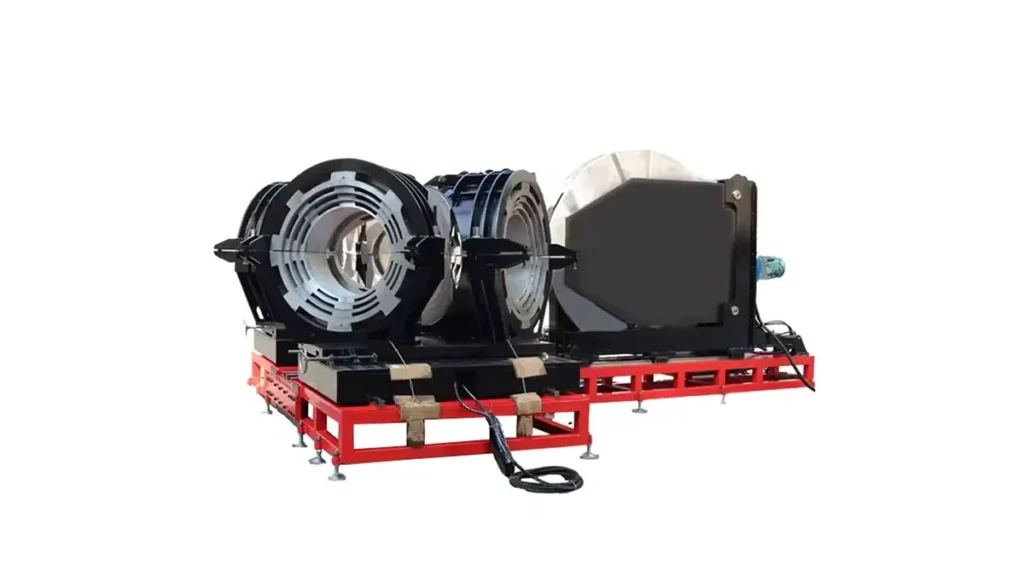
When a welding machine is shipped across borders, the paperwork matters as much as the equipment itself. Missing forms, unclear product descriptions, or incomplete compliance records can delay customs clearance, increase storage fees, and even cause the shipment to be returned. For exporters of industrial equipment, a well-prepared documentation checklist is the foundation of smooth international shipping.
For manufacturers and distributors of pipeline equipment, especially those handling a butt fusion machine, export paperwork is not just an administrative task. It helps prove product identity, confirms compliance with destination-country rules, and supports safe delivery to the customer. Whether the order is a single unit or a full container, the documentation process should be accurate, consistent, and complete.
International shipments of welding machines often move through multiple checkpoints: factory release, freight booking, export customs, port handling, import clearance, and final delivery. At each stage, documents are reviewed by different parties. That is why exporters should prepare a complete checklist before the goods leave the warehouse. A strong process reduces delays, avoids penalties, and improves buyer confidence.
Why Export Documentation Is Critical for Welding Machine Shipping
Export documentation creates a legal and operational record of the shipment. It tells customs officers what the machine is, who made it, where it is going, and under what terms it is being transported. For industrial machines, this information must be precise because the wrong code, inconsistent model name, or missing certification may trigger inspection or detention.
Key point: Accurate documentation does more than satisfy compliance requirements. It also protects the exporter’s cash flow, reduces shipping risk, and builds a trustworthy reputation with overseas buyers.
Welding machines are often high-value, technical products with components that may be subject to electrical, safety, or transport regulations. Because of this, export teams should treat documentation as part of quality control, not as a final afterthought.
1. Commercial Invoice
The commercial invoice is one of the most important documents in any export shipment. It provides a detailed description of the goods and declares their value for customs purposes. For a welding machine shipment, the invoice should include the seller and buyer names, invoice number, date, product model, quantity, unit price, total value, currency, and trade terms such as FOB, CIF, or EXW.
To avoid customs disputes, the machine description should be clear and consistent with the packing list and other shipping records. For example, if the order includes a hydraulic model, the invoice should mention it exactly as used in the technical documents and purchase order.
Tip: Keep the invoice wording aligned across all documents. Even small differences in model names, quantities, or values can slow down customs review.
2. Packing List
The packing list gives a physical overview of the shipment. It explains how the welding machine is packed, how many boxes or crates are included, and what each package contains. This document is especially useful for inspection, warehousing, and unloading at the destination port.
A complete packing list should include package numbers, dimensions, gross weight, net weight, total volume, and itemized contents. If the machine is shipped with accessories, tools, spare parts, or manuals, each item should be listed separately. This helps the buyer verify the shipment and helps customs officers match the cargo to the invoice.
When the package is large or unusually shaped, exporters should ensure the packing details match the actual loaded cargo. Accurate dimensions also help freight forwarders calculate transport costs and plan container loading properly.
3. Sales Contract or Purchase Order
The sales contract or purchase order confirms the commercial agreement between the exporter and the buyer. It defines the product scope, payment terms, delivery terms, lead time, warranty obligations, and any special packaging or labeling requirements. In international trade, this document supports every other export record.
For machinery shipments, the contract should clearly state the machine model, voltage, power specifications, and any customization requests. If the buyer requires specific export packaging or destination-country labeling, those terms should also be recorded in writing. This reduces the chance of disputes later.
Important: If the machine is customized for a project or market, the contract should reference those special features so the export documents remain consistent with the final product.
4. Certificate of Origin
A certificate of origin states where the welding machine was manufactured. Many countries require this document to determine import duty rates, trade agreement benefits, or product origin verification. Depending on the destination market, the certificate may need to be issued by a chamber of commerce or another authorized institution.
For exporters serving global buyers, origin documents are often essential. They can support preferential tariff treatment under applicable trade agreements and may be requested during customs inspection. The origin statement should match the manufacturing country stated on the invoice, packing list, and product labels.
If the shipment involves a special trade route or regulated market, the exporter should confirm whether a standard certificate or a legalized version is required before dispatch.
5. Product Specification Sheet
The product specification sheet provides technical details about the welding machine. It may include machine type, pipe diameter range, heating plate temperature range, hydraulic pressure range, power supply, frequency, control mode, and overall dimensions. This document helps customs officials, buyers, and logistics teams understand exactly what is being shipped.
For industrial buyers, technical accuracy is especially important. If the machine is part of a larger pipeline project, the specification sheet may also help the customer confirm compatibility with site conditions and operating requirements.
Useful practice: Prepare the specification sheet in a simple, easy-to-read format and ensure it matches the approved production configuration before export.
6. Inspection Report or Quality Certificate
Many overseas buyers expect an inspection report before shipment. This document may be issued by the manufacturer’s quality control department or by a third-party inspection agency. It shows that the machine has passed functional checks such as heating accuracy, hydraulic stability, clamp alignment, and appearance inspection.
For welding equipment, quality documentation is more than a formality. It reassures the buyer that the machine has been tested and is ready for industrial use. A good inspection report can also reduce after-sales claims and support warranty discussions if needed.
When the buyer requests a third-party inspection, exporters should schedule it early enough to avoid shipment delays. The report number, date, and inspected model should be recorded in the export file.
7. Compliance and Certification Documents
Depending on the destination market, the welding machine may require compliance documents such as CE-related files, safety declarations, electrical conformity documents, or other regional certificates. The exact requirements vary by country, product type, and end use.
Exporters should not assume that one market’s approval works everywhere. A machine approved for one region may need additional paperwork for another. For this reason, the documentation checklist should be reviewed alongside the target market’s import regulations well before production is completed.
Best practice: Keep a destination-market compliance file for each product line so your team can respond quickly when buyers request proof of safety or conformity.
8. Export Declaration and Customs Forms
Export declarations are required by the shipping country’s customs authority. These forms usually summarize the shipment’s value, classification, destination, mode of transport, and exporter identity. In many cases, the customs broker or freight forwarder prepares the submission using the exporter’s data.
The machine’s HS code must be carefully selected because it affects duty classification and customs treatment. Incorrect classification may result in fines or inspection delays. Exporters should work with experienced logistics partners when determining the correct code for a welding machine shipment.
When shipping repetitive orders, maintain a record of previous declarations so future shipments remain consistent and easier to process.
9. Bill of Lading or Air Waybill
The bill of lading for sea freight, or the air waybill for air freight, is the transport document issued by the carrier. It confirms that the goods have been received for shipment and describes how they will be transported to the destination. This document is essential for cargo release and, in some cases, for payment settlement under a letter of credit.
The shipping name, consignee details, package count, weight, and route should match the export documents. If there is a discrepancy, the carrier or customs authority may request clarification before release.
Because this is the key transport record, exporters should check the draft carefully before the final version is issued. Even a small error in consignee name or port details can create expensive delays.
10. Insurance Certificate
If the shipment is insured, the insurance certificate should be included in the export document file. It describes the insured value, coverage type, route, and policy reference. For expensive machinery such as welding equipment, insurance can provide protection against damage, loss, or transit-related incidents.
Although insurance is not always mandatory, it is highly recommended for international shipments. Machinery can be exposed to vibration, humidity, container shifting, or handling damage during long-distance transport. An insurance document helps the buyer and seller understand the risk coverage in place.
Before shipping, the exporter should confirm whether the coverage matches the full commercial value and transport route.
A Practical Checklist Before Dispatch
To reduce errors, export teams can use a simple pre-shipment verification process. Before the welding machine leaves the factory, confirm the following: product model matches the order, invoice details are complete, packing list reflects actual packing, origin document is ready, technical sheet is approved, inspection report is attached, and shipping instructions are correct.
Checklist reminder: One missing signature, one inconsistent product description, or one incorrect package count can stop an otherwise ready shipment at customs.
It is also wise to keep both digital and printed copies of every document. Some ports and destinations still require hard copies, while others process customs electronically. Having both versions available makes the shipment easier to manage.
How Exporters Can Avoid Common Documentation Mistakes
One common mistake is using inconsistent machine names across documents. Another is failing to update the packing list after final packaging changes. Exporters also sometimes overlook destination-specific certification needs or forget to confirm the buyer’s required consignee details.
To prevent these issues, a single person or export coordinator should review the full document set before release. The review should include model numbers, quantities, weights, trade terms, and customs codes. A structured approval workflow is especially useful for manufacturers handling multiple orders at the same time.
For exporters with regular overseas business, a standardized document template can significantly reduce human error. Templates speed up preparation while keeping the format professional and consistent.
Why Professional Manufacturers Add Value to Export Documentation
Experienced manufacturers understand that export success depends on more than product quality. They also know how to support buyers with complete records, clear specifications, and timely logistics coordination. This is especially important for companies shipping advanced industrial equipment to different regions.
Manufacturers with strong OEM and ODM capability can prepare customized documentation based on the client’s branding, voltage requirement, or project configuration. This makes international supply chains easier to manage and helps distributors respond to local market demands more effectively.
In practice, good export documentation reflects the manufacturer’s professionalism. It shows that the supplier can handle compliance, logistics, and technical communication with the same care used in production.
Conclusion
For welding machine exporters, a complete documentation checklist is essential for smooth international shipping. The most important records include the commercial invoice, packing list, sales contract, certificate of origin, specification sheet, inspection report, compliance documents, customs forms, transport documents, and insurance certificate. When these papers are accurate and consistent, customs clearance becomes faster and shipment risk drops significantly.
Exporters that build a disciplined document workflow can reduce delays, protect profit margins, and improve customer satisfaction. In global machinery trade, reliable paperwork is part of reliable delivery.
FAQs
Q1: What is the most important document for exporting a welding machine?
The commercial invoice is usually the most important because it defines the shipment value, product description, and customs declaration basis.
Q2: Do all countries require a certificate of origin?
Not always, but many importers request it for duty calculation or trade preference verification. It is best to check destination requirements in advance.
Q3: Why must the packing list match the actual cargo?
Customs and freight handlers use it to verify package count, weight, and contents. Any mismatch can cause inspection or delay.
Q4: Can a welding machine need extra certification for some markets?
Yes. Depending on the destination, electrical safety, conformity, or regional compliance documents may be required.
Q5: How can exporters reduce document errors?
Use standardized templates, review all data before shipment, and keep the invoice, packing list, and technical documents fully consistent.



