
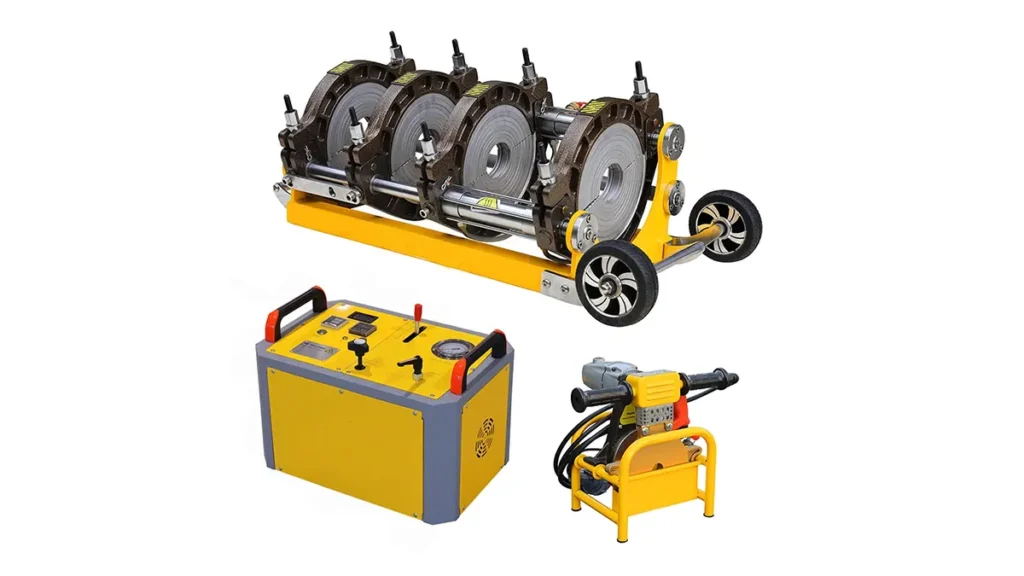
For industrial, municipal and oil & gas pipeline projects across Iraq, reliable HDPE pipe fusion equipment is essential to ensure leak-free connections and long-term system performance. Engineers and contractors in Baghdad, Basra, Erbil and the surrounding governorates need machines that perform in harsh climates, handle a wide diameter range, and match local project timelines. This guide highlights dependable butt fusion solutions, practical specifications, and local considerations for successful HDPE welding projects in Iraq.
Why Butt Fusion Is the Preferred Method for Iraqi Pipelines
Butt fusion welding delivers homogenous, joint-strength connections with no corrosion risk — a critical advantage for water supply networks, irrigation systems, sewage, gas distribution and buried service lines common in Iraq. The method performs well under the region’s temperature swings and produces flexible joints suitable for seismic zones and shifting soils.
Key Benefits for Local Projects
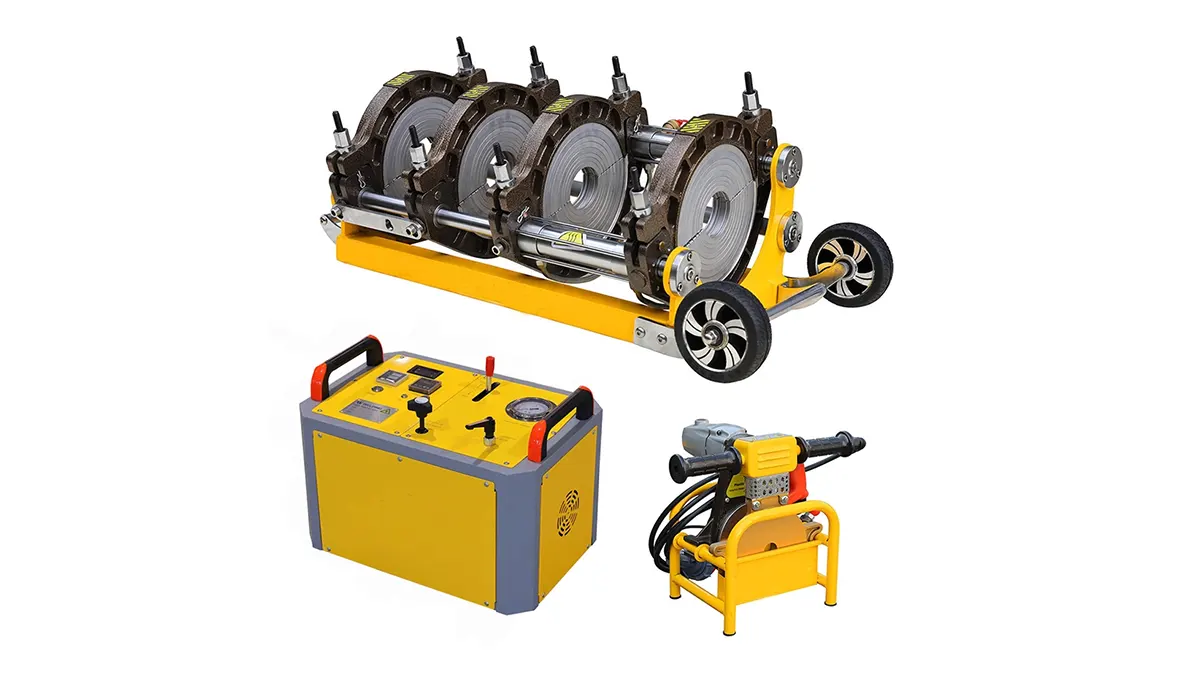
Durability: HDPE joints resist aggressive soils and many chemicals found in industrial zones. Speed: Modern machines reduce on-site welding time for accelerated project delivery. Versatility: Suitable for small service lines to large diameter trunk mains.
Recommended Machine Types
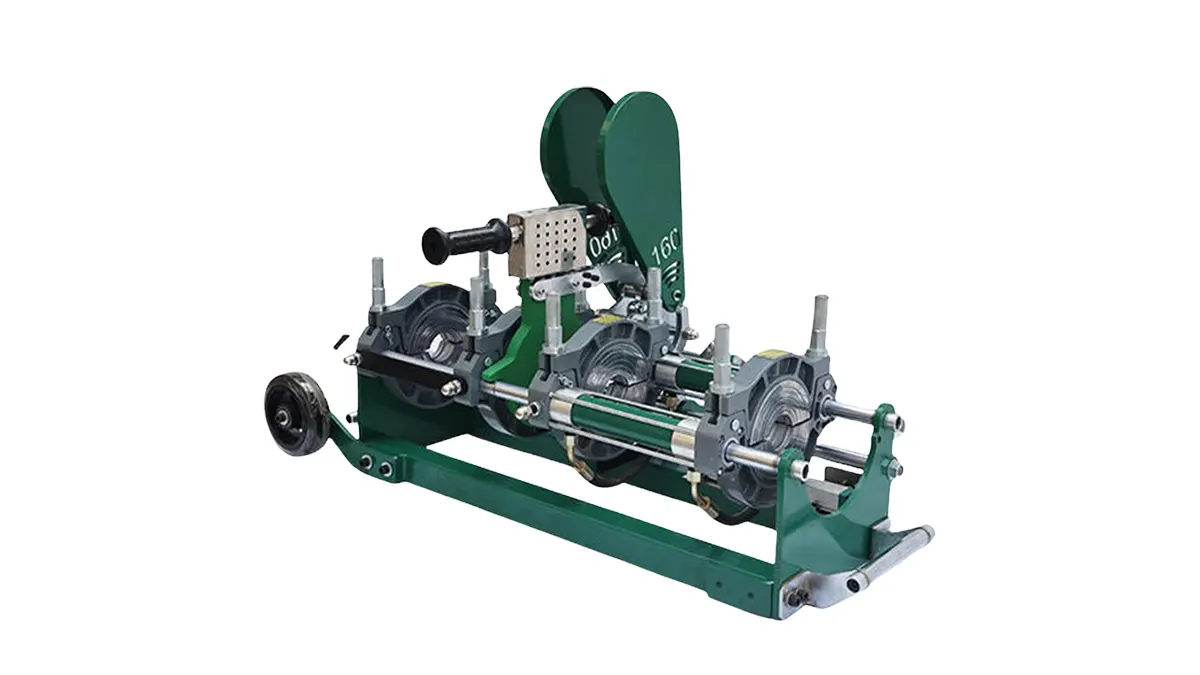
Choice depends on pipe diameter, site conditions, and production targets. Manual units suit small repair works and remote sites, hydraulic machines handle mid to large diameters with robust clamping, and CNC automatic systems provide consistent weld records for large-scale infrastructure.
Quick Comparison — Models & Typical Use
| Machine Type | Typical Diameter Range | Best For |
|---|---|---|
| Manual Butt Fusion | 20mm – 400mm | Small repairs, rural water projects |
| Hydraulic Butt Fusion | 63mm – 2000mm+ | Municipal mains, industrial pipelines |
| CNC Automatic Fusion | 63mm – 1250mm | High-volume projects, traceable weld records |
| Multi-Angle Fitting Machines | Specialty fittings | Complex junctions for industrial sites |
Local Considerations for Iraqi Buyers
Project managers should plan for seasonal temperature variations, dusty or sandy job sites, and logistics to ports such as Basra or nearer borders. Training local crews on fusion standards and welding quality control reduces rework and improves lifetime performance. Spare parts availability and fast technical support are vital for minimizing downtime on remote projects.
Installation & Quality Best Practices
Ensure pipe alignment, clean facing, correct heater temperatures, and controlled cooling times. Use calibrated equipment and record weld parameters for quality assurance. For gas distribution or potable water systems, follow relevant international standards and local regulations.
How to Source Reliable Equipment
When selecting a manufacturer, verify production capacity, machine calibration procedures, and after-sales service. For clients across Iraq seeking trusted HDPE welding solutions, consider suppliers with a broad product range, documented quality control, and spare parts support. Visit https://jq-fusionwelding.com/ to explore product lines and request tailored proposals from JQ-Fusion.
Ready to specify equipment? Identify the project diameter range, expected daily welds, and site logistics, then choose a model type that balances portability with production output. Proper planning and the right fusion machine ensure long-lasting networks across Iraq’s infrastructure projects.



