
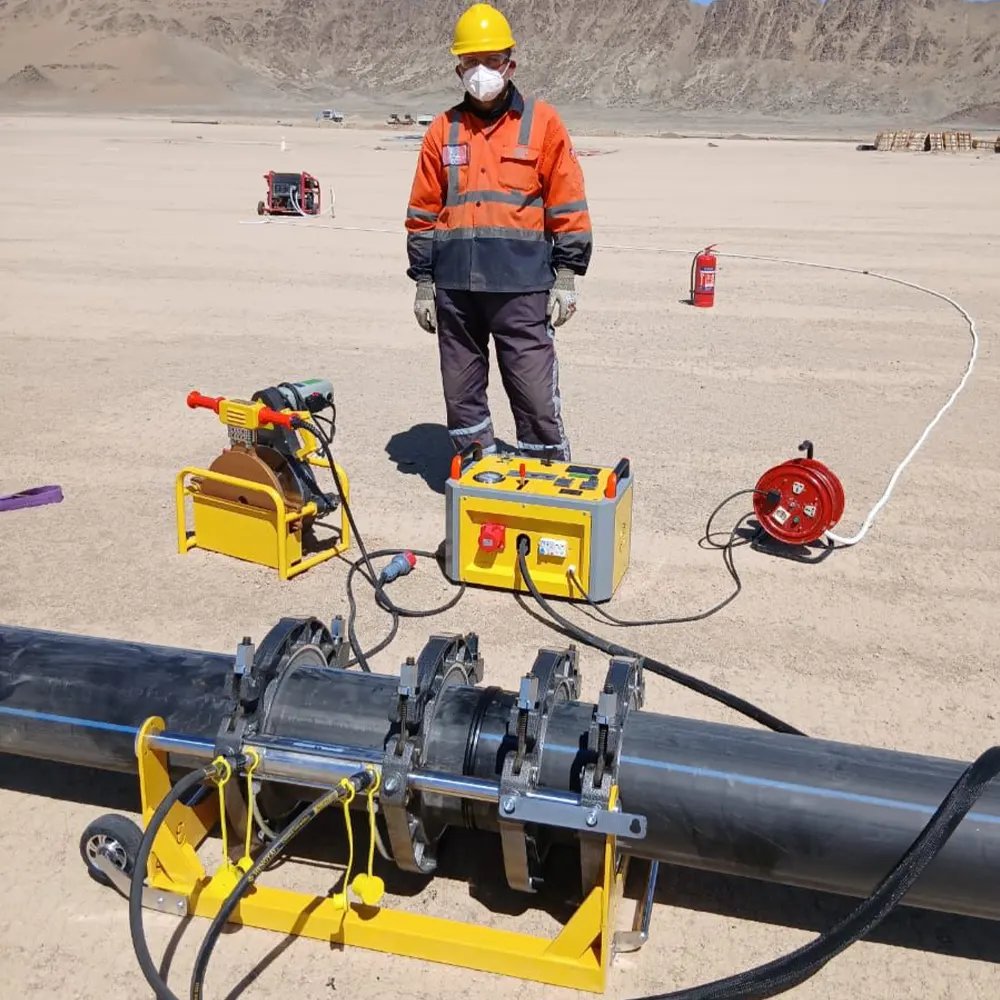
Shipping pipe welding equipment overseas safely and cost-effectively is not just a logistics task; it is a project strategy. For contractors, distributors, and pipeline companies, the goal is to receive machines in perfect condition, on time, and without unexpected import or transportation costs. Whether you are moving a compact unit or a heavy-duty system, the process must balance safety, compliance, and budget control.
Pipe welding equipment is often used in demanding environments such as water supply networks, gas distribution systems, mining sites, and industrial pipeline projects. Because these machines are precision tools, they require careful handling from factory inspection to final delivery. A single packing mistake or shipping delay can affect installation schedules, increase labor costs, and disrupt project deadlines. That is why overseas shipping should be planned as carefully as the welding operation itself.
Key principle: the cheapest shipping option is not always the most cost-effective. True savings come from reducing damage risk, avoiding customs problems, and preventing delays that lead to expensive downtime.
1. Choose the Right Equipment Configuration Before Shipping
Cost-effective shipping starts long before the cargo leaves the warehouse. The best approach is to select the right machine configuration for your project and market. A compact manual model may be enough for smaller pipe diameters, while larger infrastructure projects may require a hydraulic or CNC automatic system. If the machine is oversized for the job, shipping costs rise unnecessarily because of extra weight, volume, and handling requirements.
When sourcing equipment, buyers should confirm technical details such as pipe diameter range, voltage standard, clamp size, and accessory list. A properly matched machine avoids costly replacements later. For example, a butt fusion machine designed for a specific project can reduce customization time and lower the risk of returning unsuitable parts.
Tip: request a complete equipment list before shipment, including frame, heating plate, trimmer, hydraulic unit, toolbox, and spare parts. Missing items often cost more to replace overseas than to ship in one consolidated order.
2. Use Professional Packaging That Protects Both Safety and Budget
Packaging is one of the most important factors in international shipping. Pipe welding machines usually contain metal frames, electrical systems, hydraulic parts, and precision heating components. These items must be secured against vibration, impact, moisture, and corrosion during transport. A damaged control panel or misaligned clamp can create major installation problems after arrival.
Professional export packaging often includes reinforced wooden cases, steel strapping, foam protection, anti-rust film, and moisture-proof wrapping. If a machine includes delicate electronic controls, extra shock-absorbing protection should be added. For heavy machines, the base should be fixed to a pallet or skid that allows safe forklift handling at ports and warehouses.
Important: packaging should be designed for the full transport route, not only for sea freight. Inland trucking, port handling, and final unloading all create different risks.
3. Optimize Shipping Method According to Urgency and Cargo Size
There is no single best shipping method for every international order. The right choice depends on project timeline, cargo volume, and destination country. Sea freight is usually the most economical option for large and heavy welding equipment. It is ideal for full container load shipments and bulk project orders. Air freight is much faster, but it is significantly more expensive and is usually suitable only for urgent spare parts or small accessories.
For many buyers, a mixed logistics plan works best. Large machine bodies can be shipped by sea, while small consumables, control components, or urgent replacement items can move by air if needed. This strategy keeps overall transportation costs manageable without risking project delays.
Before booking transport, compare not only freight rates but also destination charges, customs brokerage fees, local port handling costs, and last-mile delivery expenses. Sometimes a low freight quote hides expensive destination charges. A reliable supplier should provide a transparent shipping plan that includes all major cost items.
Practical shipping options to consider
- Full Container Load (FCL): best for larger projects and better cargo protection.
- Less than Container Load (LCL): useful for smaller orders, but may involve more handling.
- Air freight: suitable for urgent parts only due to higher cost.
- Door-to-door delivery: convenient when customs and inland transport need to be simplified.
4. Prepare Documents Early to Avoid Customs Delays
International shipping can become expensive when customs clearance is delayed. Missing paperwork, inconsistent product descriptions, or incorrect tariff codes may result in storage fees, inspection charges, or shipment holds. To ship safely and cost-effectively, all documents should be completed before departure.
Common documents include the commercial invoice, packing list, bill of lading or airway bill, certificate of origin, and product certification documents. If the destination market requires compliance reports or test certificates, these should be prepared in advance. Buyers should also confirm whether the imported equipment needs special registration or inspection in the destination country.
For industrial buyers, working with a supplier experienced in global export is a major advantage. Manufacturers that already understand international trade procedures can reduce paperwork errors and help avoid compliance problems. This is especially valuable for projects in markets with strict technical or customs regulations.
Key point: customs delays are often more expensive than freight itself. A shipment that sits at port for several days may generate storage charges that wipe out the savings from choosing a cheaper carrier.
5. Work with a Manufacturer That Supports OEM, ODM, and Global Logistics
A strong supplier does more than produce equipment. It also helps customers reduce transport risk, simplify export operations, and shorten lead times. When choosing a partner, look for a manufacturer with proven export experience, quality inspection capability, and flexible packaging or configuration support.
JQ-Fusion, for example, focuses on HDPE pipe welding machines and supports projects worldwide. With more than 20 years of industry experience, the company provides manual, hydraulic, and CNC automatic solutions for different pipe sizes and applications. Its products are used in water supply systems, gas distribution networks, mining projects, and industrial pipeline installations. This type of export background matters because overseas shipping requires more than production capacity; it requires coordination.
Manufacturers with OEM and ODM capability can also help reduce total project cost. Customized voltage, color, branding, and configuration options allow buyers to receive equipment that is ready for local market use without extra modification after arrival. This saves time, reduces rework, and lowers the chance of damage caused by post-shipment adjustments.
Reliable export support should also include fast response, technical guidance, and shipping coordination. For businesses that handle repeat orders, this support becomes even more valuable because consistent shipping methods and packaging standards improve efficiency over time.
6. Inspect Quality Before the Cargo Leaves the Factory
One of the most effective ways to reduce overseas shipping risk is to make sure the equipment is tested before it is packed. Quality control should not be limited to final appearance. It should include temperature accuracy, hydraulic pressure stability, clamp alignment, electrical performance, and accessory completeness.
When a machine passes factory inspection before shipment, the buyer can be more confident that the unit will work correctly on arrival. This lowers the chance of return shipments, repair costs, and project delays. It also supports safer transport because a properly assembled machine is less likely to suffer damage during movement.
Strong recommendation: ask for pre-shipment inspection photos, test records, and packing confirmation. These documents help verify that the cargo was shipped in correct condition and complete configuration.
7. Reduce Total Cost Through Smart Inventory and Delivery Planning
Shipping cost is only one part of the total landed cost. Buyers should also think about inventory strategy, project timing, and spare part availability. Suppliers with large stock and organized inventory can often dispatch standard models faster, which reduces waiting time and can eliminate expensive emergency freight.
This is especially useful for contractors working under tight schedules. If a project is delayed because one machine is still in transit, the labor and equipment idle costs can become much higher than the savings from a low-cost shipment. Fast delivery is therefore a financial advantage, not just a convenience.
For recurring orders, buyers should consider grouping shipments into scheduled dispatches. Consolidated shipping can lower freight costs per unit and make customs processing easier. In addition, keeping common spare parts in local inventory helps reduce the need for urgent international air shipments later.
8. Build Long-Term Logistics Strategy for Global Projects
The safest and most cost-effective overseas shipping strategy is not a one-time decision. It is a repeatable system built through better planning, trusted suppliers, and consistent documentation. Buyers who regularly import pipe welding equipment should develop a standard logistics checklist covering machine selection, packaging, certification, shipping method, insurance, and customs requirements.
Insurance should never be overlooked. Even with strong packaging and reliable carriers, international freight always carries some risk. Cargo insurance protects the buyer from unexpected losses caused by damage, theft, or transport accidents. For heavy and valuable welding equipment, the cost of insurance is usually small compared with the potential loss from a damaged shipment.
Shipping safety also improves when communication is clear. Buyers should confirm consignee details, destination port, delivery address, unloading capability, and required import documents early in the process. When everyone involved understands the timeline and responsibilities, the shipment moves more smoothly and with fewer surprises.
Why the Right Manufacturer Makes Overseas Shipping Easier
When you choose a supplier with reliable export experience, shipping becomes simpler at every stage. A manufacturer with strong engineering capability, strict quality control, and global support can help reduce wasted freight, minimize customs issues, and improve cargo protection. This is why many international buyers prefer suppliers with a clear track record in global pipeline projects.
JQ-Fusion’s range includes hydraulic butt fusion welding machines, automatic butt fusion welding machines, electrofusion welding machines, and multi-angle pipe fitting welding machines. Products manufactured in compliance with international standards and certified by SGS provide additional confidence for buyers shipping equipment across borders. In global procurement, that kind of reliability can make the difference between a smooth project launch and a costly delay.
Final takeaway: safe and cost-effective overseas shipping depends on careful planning, strong packaging, accurate documentation, the right transport method, and a supplier that understands international logistics from factory to destination.
Frequently Asked Questions
1. What is the safest way to ship pipe welding equipment overseas?
The safest method is usually sea freight in a properly reinforced container with professional export packaging, full documentation, and cargo insurance. For sensitive electronics or urgent parts, additional shock protection and moisture control are essential.
2. How can I reduce shipping costs without risking damage?
Choose the correct machine size, consolidate accessories, compare total landed cost instead of freight alone, and work with a supplier that offers secure packaging and export support. Avoid unnecessary air freight for heavy machinery.
3. What documents are usually required for customs clearance?
Most shipments need a commercial invoice, packing list, bill of lading or airway bill, and certificate of origin. Some destinations may also require product certifications or compliance documents.
4. Is insurance necessary for overseas shipping?
Yes. Insurance is strongly recommended because international freight involves handling, transfer points, and potential damage risks. It protects your investment and helps reduce financial losses if something goes wrong.
5. Why should I buy from an experienced export manufacturer?
An experienced export manufacturer can help with product selection, packing, inspection, documentation, and shipping coordination. This reduces errors, lowers the risk of delays, and makes overseas delivery more efficient.



