
HDPE pipe welding plays a critical role in building resilient water, gas, and irrigation networks across Côte d’Ivoire. Skilled welding delivers leak-free joints that withstand the country’s tropical climate, seasonal heavy rains, and expanding urban demands — especially in regions like Abidjan, Yamoussoukro, and agricultural zones producing cocoa and coffee.
Why HDPE Is Ideal for Côte d’Ivoire
Durability in humid, hot environments: HDPE resists corrosion and biological growth, making it ideal for coastal and inland systems where salt, humidity, and variable soils can shorten the life of metal pipelines. For rural irrigation and municipal water supply, HDPE reduces contamination risks and repair frequency.
Flexibility for rapid infrastructure growth: Lightweight pipes and efficient butt-fusion welding allow faster installation across uneven terrain and remote sites. This helps meet the fast-paced development of housing, industrial parks, and agricultural irrigation projects across Côte d’Ivoire.
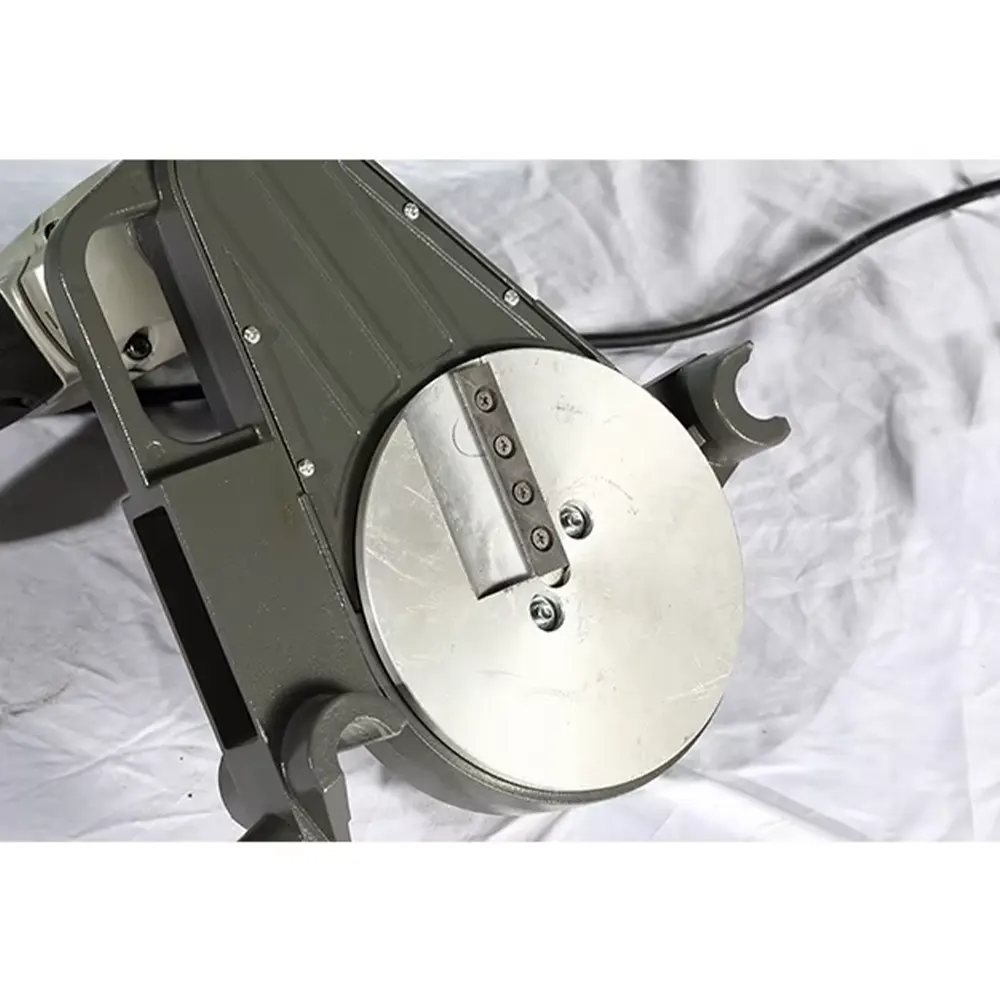
Butt Fusion Welding: Reliable Joints for Long Pipelines
Butt fusion welding fuses HDPE pipe ends into a homogeneous, pressure-resistant joint. For municipal water networks and large irrigation mains, this method delivers consistent strength and minimal maintenance. Key benefits include:
- High joint strength comparable to the base pipe material.
- Minimal leakage and long service life under pressure and thermal cycling.
- Suitable for a wide range of diameters — from household distribution to large-diameter mains.
Electrofusion & Automatic Welding Options
Electrofusion fittings provide a compact, controlled joint solution for fittings, repairs, and complex networks, while automatic butt fusion machines deliver repeatable weld parameters for high-volume pipeline production. In Côte d’Ivoire, where both urban repairs and large projects coexist, combining methods optimizes cost and speed.
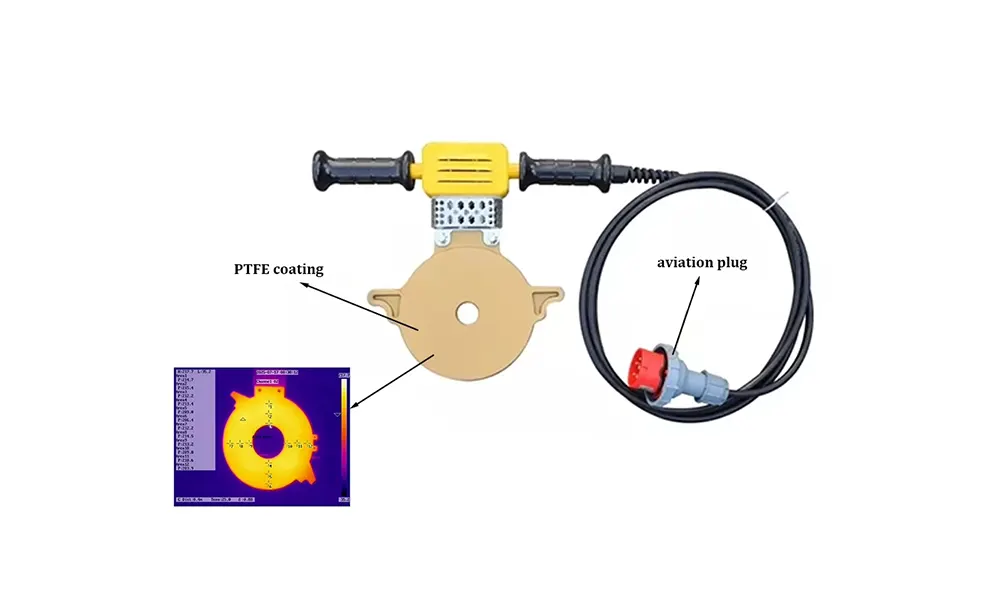
Choosing the Right Welding Machine
Select equipment based on pipe diameter, site accessibility, and production scale. The table below highlights common machine categories and their best uses in Ivorian projects.
| Machine Type | Recommended Pipe OD | Key Benefit | Ideal Use |
|---|---|---|---|
| Manual Butt Fusion | 20–160 mm | Portable, low-cost | Small repairs, village distribution |
| Hydraulic Butt Fusion | 160–1000+ mm | Powerful clamps, stable pressure | Mainlines, irrigation mains |
| Automatic Butt Fusion | 200–1200 mm | High repeatability, data logging | Large projects, contractors |
| Electrofusion Equipment | Fittings for 20–630 mm | Quick fitting, ideal for repairs | Service taps, tie-ins, urban repairs |
Practical Installation Tips for Ivorian Conditions
To maximize pipeline life and performance across Côte d’Ivoire:
- Plan for thermal expansion in sunny, exposed runs and use flexible couplers where needed.
- Protect weld zones from rain and dust during fusion — a simple canopy or tarpaulin helps maintain quality.
- Train local crews in proper fusion procedures and provide French-language manuals and weld logs.
- Perform pressure testing after installation and keep records for municipal approvals.
Local Support & Compliance
French-language training, on-site commissioning, and spare parts availability are important for sustainable operations in Côte d’Ivoire. Engage contractors familiar with local permitting, trench standards, and agricultural irrigation needs to ensure smooth project delivery.
About JQ-Fusion — a professional manufacturer specializing in HDPE pipe welding machines, offering manual, hydraulic, and automatic butt fusion solutions for global infrastructure projects, tailored to diverse pipeline sizes and applications.



