
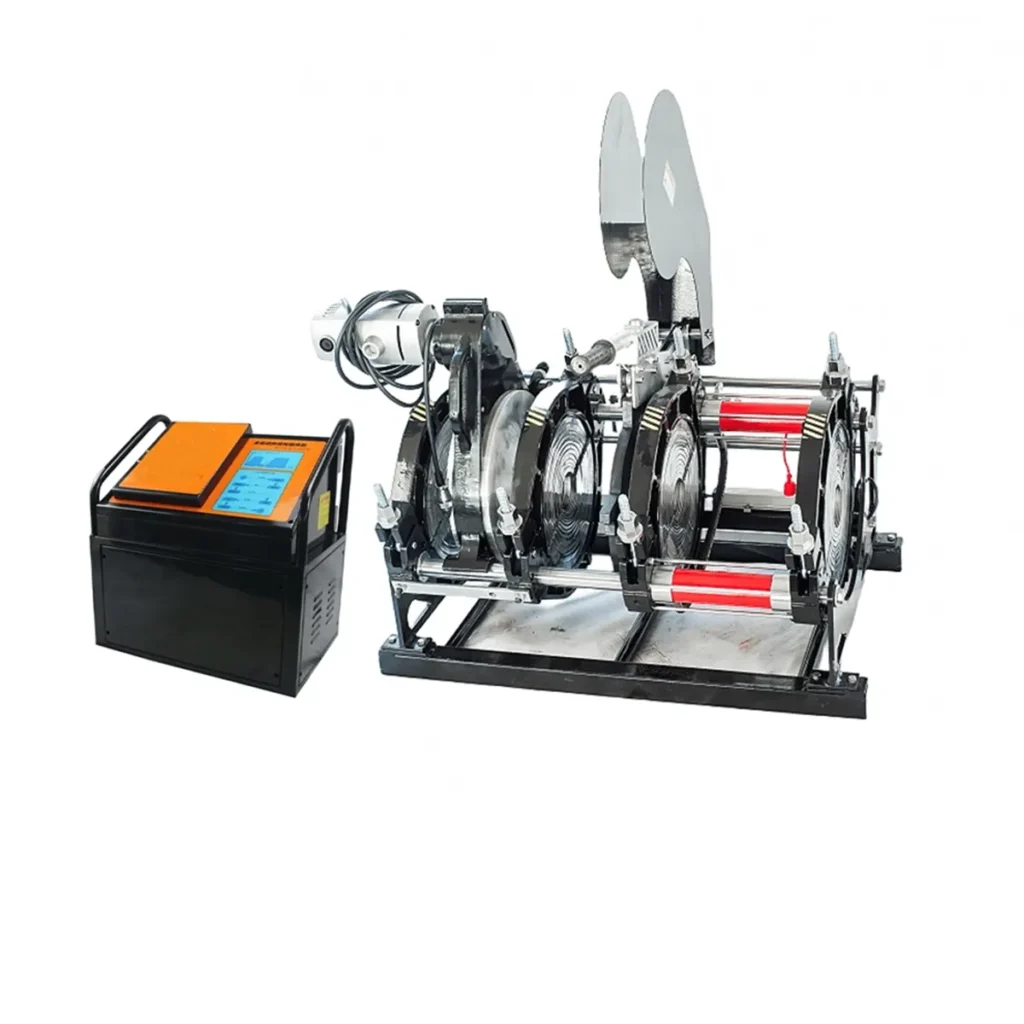
Plastic pipe welding plays a critical role in Nigeria’s expanding infrastructure — from municipal water networks in Lagos to rural irrigation projects in the north and midstream pipelines for the oil & gas sector. A reliable plastic pipe welder factory can supply the right HDPE butt fusion machines, training, and after-sales support to help contractors, engineers, and local fabricators deliver durable, leak-free pipelines across diverse Nigerian environments.
Why Nigerian Projects Need Specialized HDPE Welding Solutions
Nigeria’s combination of large-scale urban development, extensive oil & gas activity, and agricultural modernization demands welding equipment adapted to hot climates, variable power supplies, and sometimes remote job sites. For municipal authorities, mining companies, and construction contractors, choosing the right welding technology — manual, hydraulic, or automatic CNC butt fusion — reduces joint failures and lifecycle costs.
Key Benefits for Local Contractors and Installers
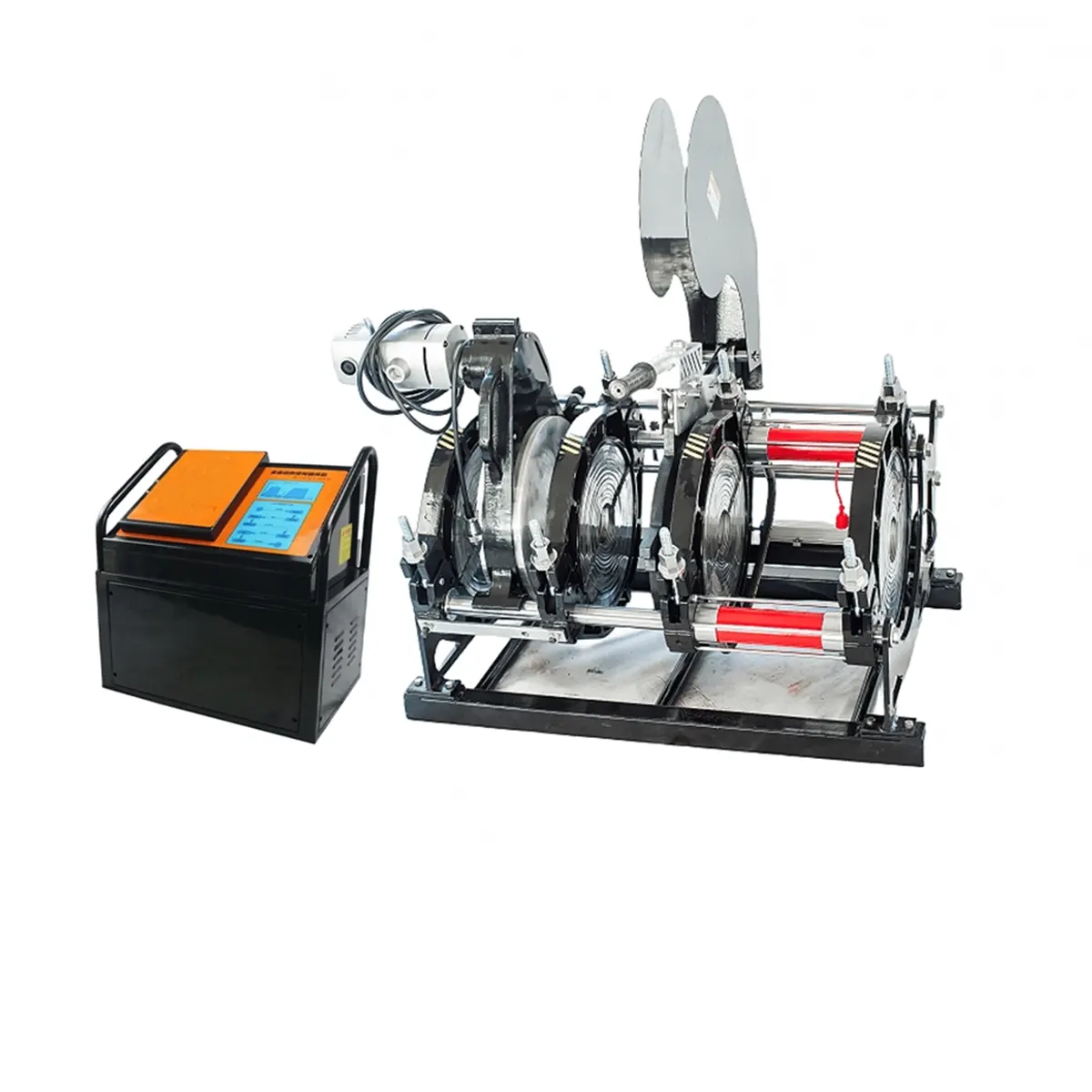
Improved reliability — modern butt fusion welders create homogeneous joints that resist corrosion and pressure cycling common in water and gas systems. Faster deployment — automated machines speed up welding on long-distance pipelines, while compact manual models are ideal for village-level water repairs. Portability, spare-part availability, and simple maintenance are essential features for Nigerian fleets operating between Lagos, Port Harcourt, and inland sites.
Recommended Machine Types by Application
Selecting the correct welder depends on pipe diameter, project scale, and workforce skill level. Below is a quick comparison to help procurement teams and contractors choose the best fit.
| Model / Type | Pipe Range (mm) | Best Use | Automation |
|---|---|---|---|
| Manual Butt Fusion | 20–110 | Local repairs, small water projects | Low |
| Hydraulic Butt Fusion | 110–800 | Distribution mains, medium pipelines | Medium |
| Automatic CNC Butt Fusion | 200–1250+ | Large trunklines, industrial gas & water projects | High |
| Multi-Angle Fitting Machines | 50–630 fittings | Custom fittings for complex networks | Medium |
| Electrofusion Equipment | 20–160 | Service connections, tapping into mains | Variable |
Training, Technical Support, and Local Logistics
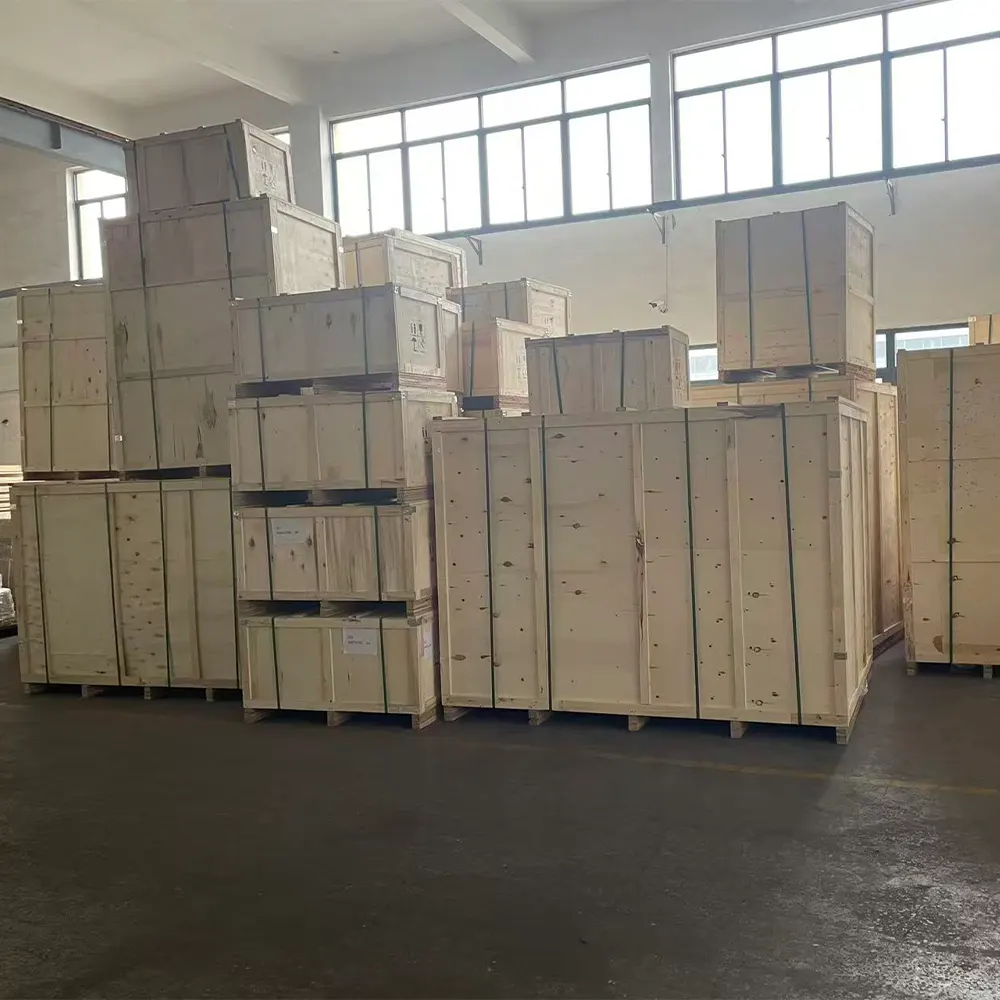
Skilled welders are crucial in Nigeria to ensure safety and compliance with international pipeline standards. Investing in operator training, proper tooling, and site commissioning reduces rework. When sourcing equipment from an overseas manufacturer like JQ-Fusion, confirm spare-part supply, shipping via the Port of Lagos, and access to on-site setup or remote technical guidance.
Procurement Tips for Nigerian Buyers
1) Specify the expected pipe diameters and working pressure to match machine capacity. 2) Choose machines with robust build quality and corrosion-resistant components for coastal zones. 3) Ask for a spare parts kit and clear maintenance documentation. 4) Evaluate warranty and local service partner options before purchase.
Final Notes for Project Managers and Contractors
Well-chosen plastic pipe welding equipment reduces downtime and secures long-term performance for Nigeria’s essential water, gas, and industrial pipelines. Prioritize machines that balance automation with local operability, provide dependable after-sales support, and include training to empower Nigerian teams to build safer, more resilient networks.



