
Choosing the best poly pipe fusion machine in Benin means balancing local site conditions, project scale, and long-term serviceability. This guide helps contractors, municipal engineers, and rural water program managers in Benin pick the right fusion technology for reliable HDPE pipeline installation.
Understanding Fusion Machine Types
Manual Butt Fusion – Ideal for small-diameter pipes and remote sites. Manual machines are lightweight, low-cost, and easy to carry to rural villages and irrigation projects around Benin’s coastal and inland regions.
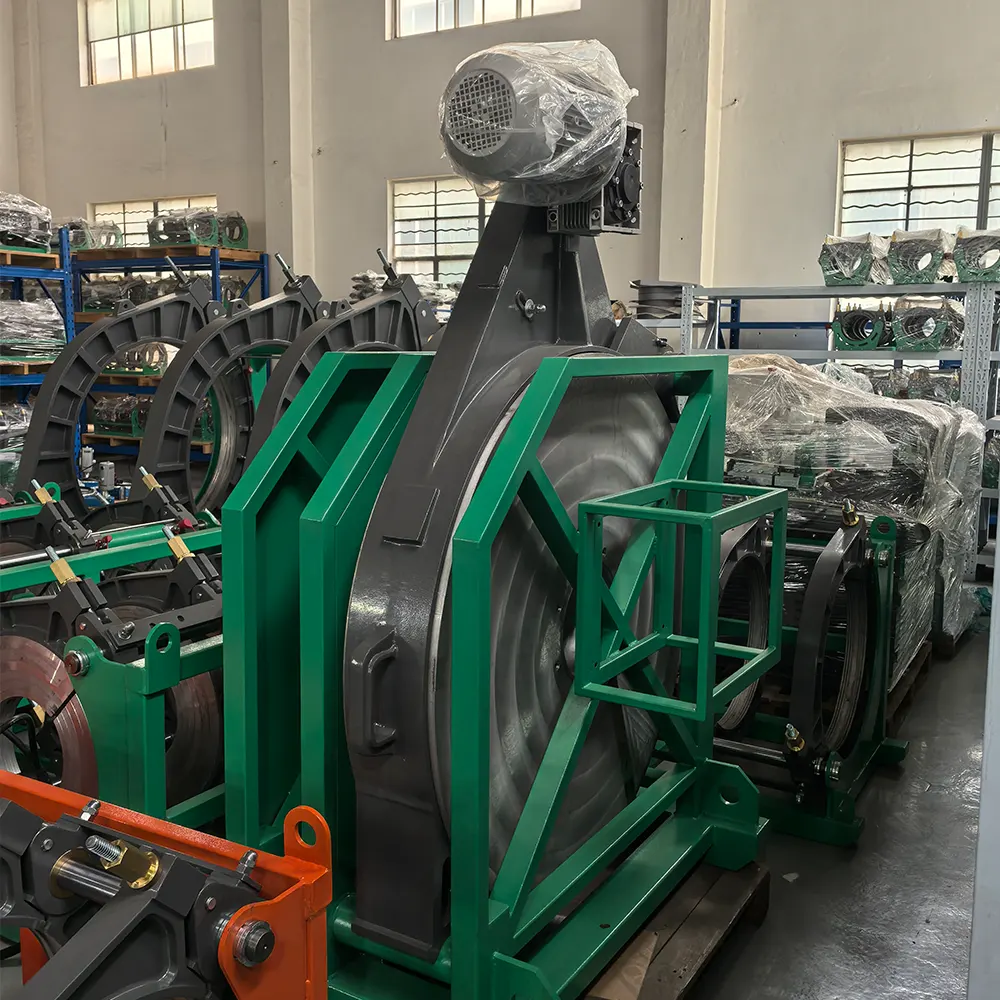
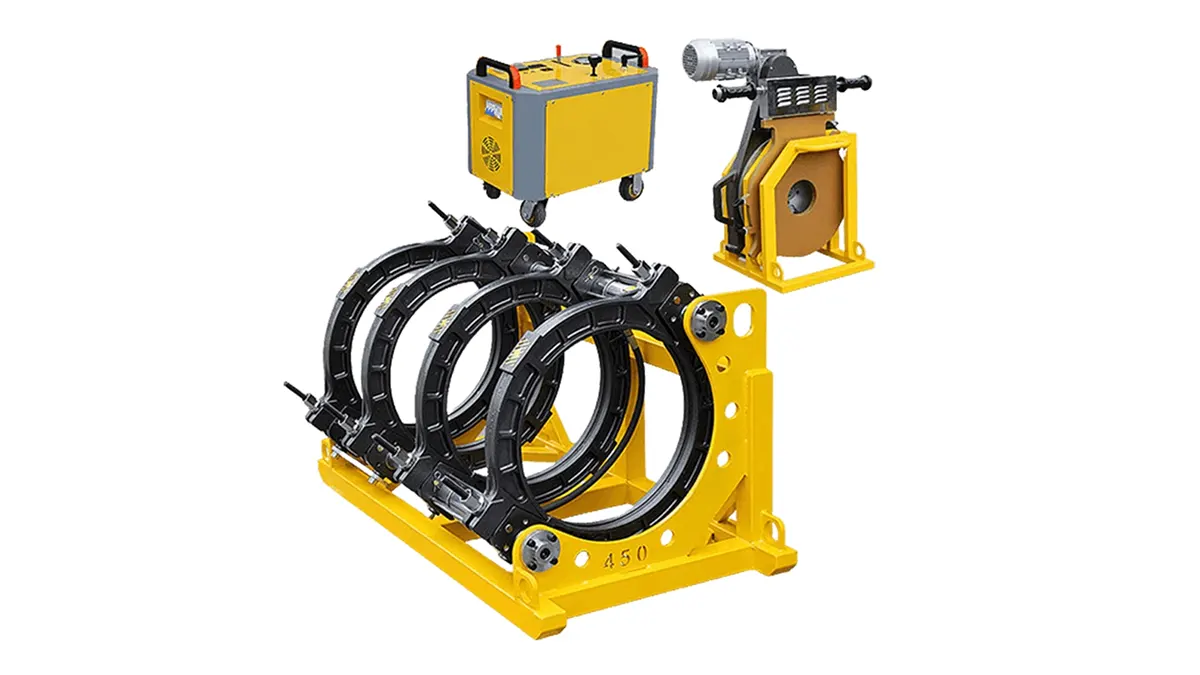
Hydraulic Butt Fusion – Best for medium to large diameters where repeatable pressure control and speed are required. These are commonly used for urban water mains, irrigation canals, and industrial pipeline works near Cotonou and Parakou.
Automatic (CNC) Butt Fusion – For large-diameter pipelines and high-volume projects, automatic machines provide precise control, data logging, and faster cycle times suitable for major infrastructure projects.
Key Factors Beninese Buyers Should Consider
1. Power reliability: Many work sites in Benin face intermittent grid power. Choose machines with low power demands or that can run from generators/battery backups.
2. Climate and environment: High humidity and rainy seasons mean corrosion-resistant components and sealed electrical controls are valuable for longevity.
3. Portability vs capacity: Rural sanitation and irrigation projects need portable manual units; urban distribution and industrial works require hydraulic or automatic units for larger diameters.
4. Local skills and training: Pick a model with intuitive controls if local technicians have limited fusion training; ensure supplier provides on-site or virtual training and clear welding procedures.
Comparison Table — Quick Selection Guide
| Machine Type | Pipe Size Range | Portability | Power | Best Benin Use Cases |
|---|---|---|---|---|
| Manual Butt Fusion | 20–315 mm | High | None / hand-operated | Rural water, small irrigation, local repairs |
| Hydraulic Butt Fusion | 63–1000 mm | Medium | Electric / generator | City mains, irrigation schemes, industrial lines |
| Automatic (CNC) Butt Fusion | 200–2250 mm+ | Low | Stable electric supply / generator | Large trunk mains, major infrastructure projects |
Practical Tips for Benin Projects
Site assessment first: Verify access roads, lifting equipment, and nearby power. Coastal or lagoon works may demand extra protection against salt spray.
Spare parts and consumables: Confirm availability of heaters, trimming tools, and gaskets. Local or regional stock reduces downtime for municipal utilities in Benin.
Training and certification: Invest in operator training and keep welding records. Governments and donors running WASH and rural electrification projects often require documented weld quality.
Budgeting and Long-Term Value
Lower upfront cost models suit smaller contractors, but consider lifecycle costs: maintenance, training, and fuel for generators. For recurring municipal or industrial contracts, a hydraulic or automatic unit often delivers the best return through higher productivity and consistent weld quality.
How to Decide — Quick Checklist
Project scale? Choose manual for small repairs, hydraulic for medium networks, automatic for large trunk mains.
Power situation? Opt for manual or generator-friendly hydraulic units if grid is unreliable.
Availability of skilled welders? Favor simpler controls and training packages to ensure consistent welds across Benin’s diverse project locations.
For reliable butt fusion equipment and after-sales support, consider contacting JQ-Fusion at https://jq-fusionwelding.com/ for product options, training, and spare part availability tailored to Benin projects.



