
Singapore’s rapid urban development and strict infrastructure standards demand reliable, precise HDPE pipe welding solutions. For contractors working on water supply, gas distribution, drainage, and industrial piping, choosing the right fusion equipment ensures long-term system integrity and compliance with local regulations such as PUB guidelines and building codes for HDB and private developments.
Why HDPE Fusion Machines Matter in Singapore Construction
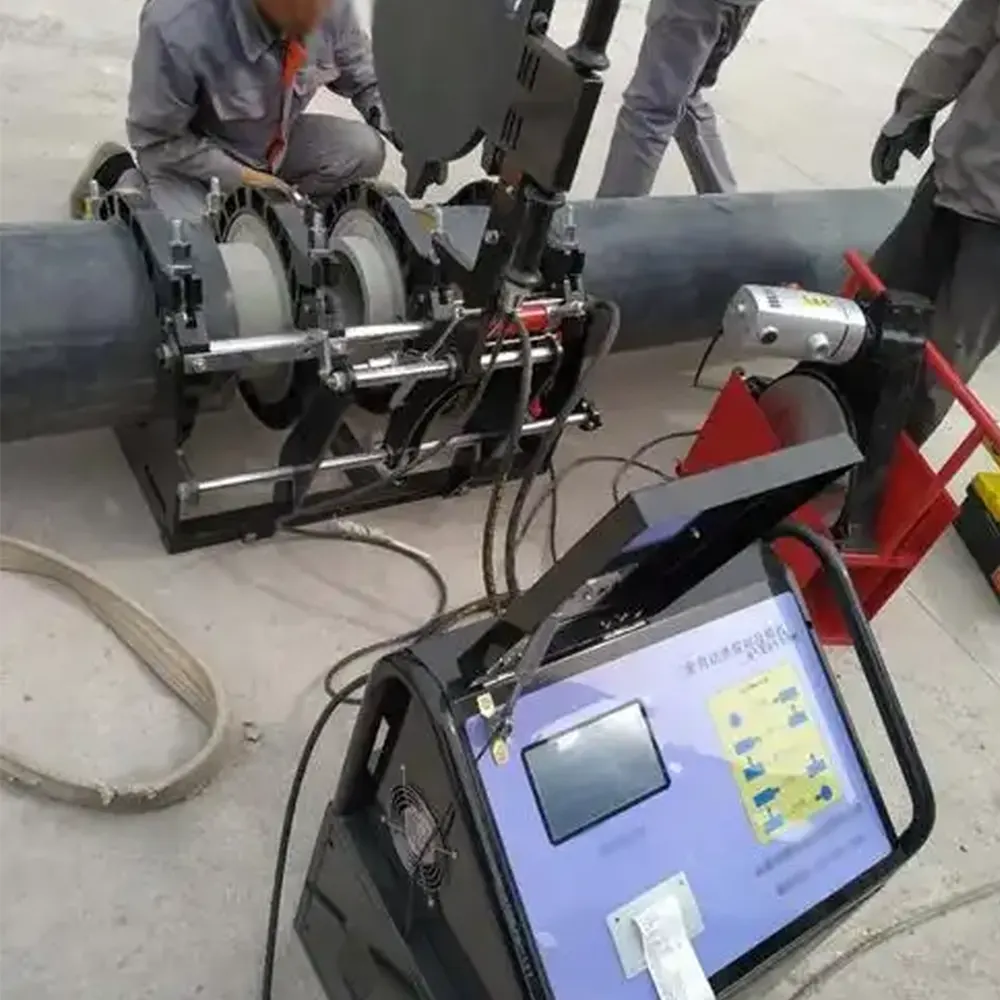
HDPE butt fusion welding creates homogenous joints that match the parent pipe’s strength and corrosion resistance—critical in Singapore’s tropical, humid environment where chemical resistance and leak-free performance are essential. Contractors and municipal teams value machines that deliver consistent heat, precise alignment, and documented weld records for audits and certification.
Key Benefits for Local Projects
Selecting the right fusion machine reduces rework and downtime on tight Singapore schedules. Benefits include:
- High joint integrity for potable water and gas lines that must meet PUB and SCDF safety standards.
- Compact, portable models suited for dense urban sites and basement works.
- Automated control options to produce repeatable welds in large pipeline networks.
- Minimal maintenance and long service life to meet project budgets and warranty requirements.
Popular Machine Types for Singapore Projects
Contractors often choose between:
- Manual butt fusion machines — ideal for smaller diameter pipes and tight access locations.
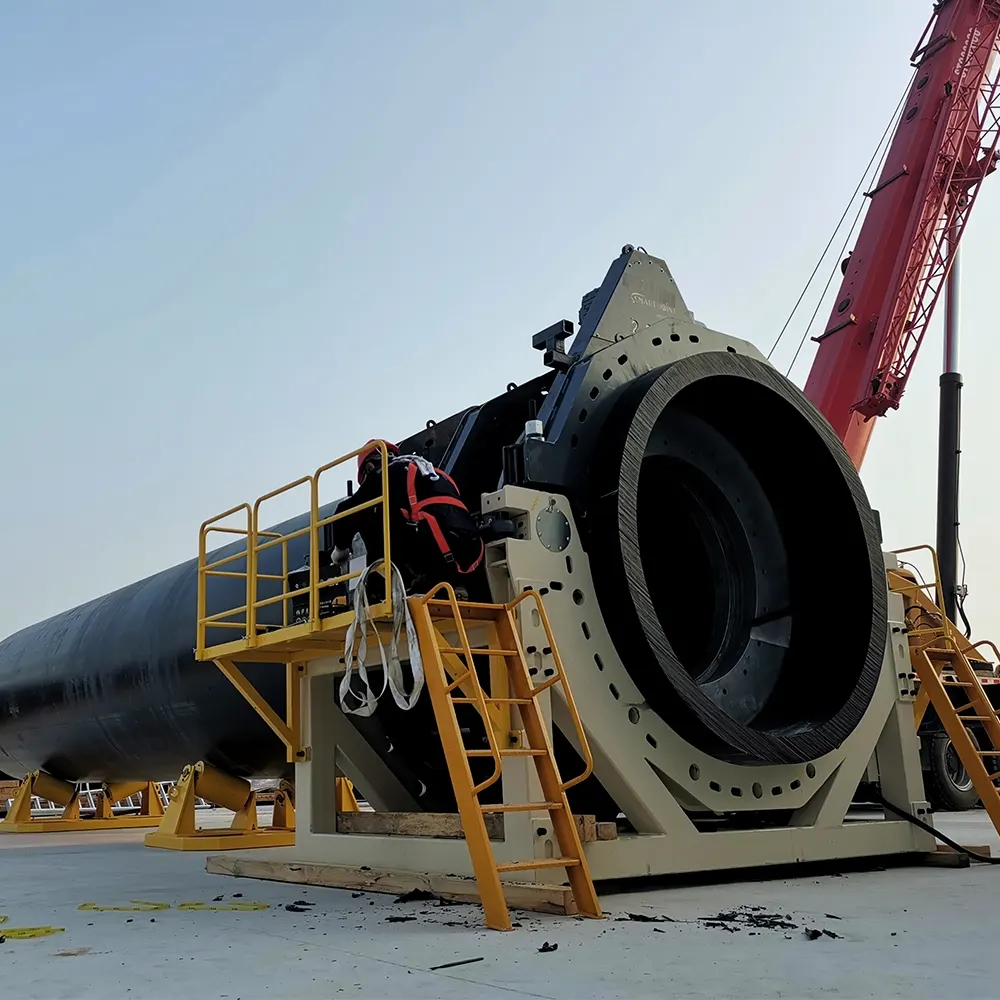
- Hydraulic butt fusion machines — suited for medium to large diameters with reliable clamping and consistent pressure control.
- CNC automatic machines — for high-volume or critical infrastructure projects that require traceable parameters and minimal operator variability.
Technical Checklist Before Purchasing
Before specifying equipment on tenders or procurement documents, confirm the following:
- Pipe diameter range and wall thickness compatibility.
- Electrical requirements and on-site power compatibility.
- Data logging capabilities for weld traceability.
- Spare parts availability and local service support.
- Compliance with international welding standards (ISO, ASTM) often referenced in Singapore contracts.
Comparison Table: Typical Machine Options
| Model Type | Best For | Diameter Range | Key Feature |
|---|---|---|---|
| Manual Butt Fusion | Small site jobs & repairs | 16–250 mm | Lightweight, portable |
| Hydraulic Fusion | Medium to large pipelines | 160–1000 mm+ | Stable pressure control |
| CNC Automatic | Critical & high-volume works | 63–1250 mm | Digital logging & auto cycles |
On-Site Best Practices for Singapore Conditions
To maximize weld quality in Singapore’s environment, follow these local best practices:
- Schedule welds during lower humidity periods when possible and protect equipment from heavy rain during monsoon months.
- Use certified operators and document each weld with time-stamped logs for compliance with municipal inspections.
- Regularly maintain heating plates and trimming tools to prevent uneven heating that can affect joint strength.
- Coordinate with local authorities for inspections on potable water or gas projects to ensure acceptance and records are complete.
Where to Source Reliable Machines
For trusted manufacturing and a wide range of fusion equipment, consider suppliers that offer global experience, customizable models, and strong after-sales support. JQ-Fusion provides a portfolio of manual, hydraulic, and CNC automatic butt fusion machines engineered for diverse pipeline projects and backed by manufacturing and quality-control expertise.
Interested teams in Singapore should evaluate machine capabilities against project scope, request demonstration or trial welds when possible, and confirm lead times for parts and service to avoid schedule delays.



