
When project deadlines are tight and the integrity of your pipeline matters, choosing the right welding partner is not a small decision. Whether you are building a water supply line, expanding a gas distribution network, or installing industrial pipelines, the quality of the welding work will directly affect long-term safety, performance, and maintenance costs. That is why many contractors search for reliable HDPE pipe welding contractors near me—not just anyone who can weld, but a team that understands materials, standards, and on-site execution.
HDPE piping is valued for its corrosion resistance, flexibility, and long service life, but it also demands precise fusion technology. A weak weld, poor temperature control, or misalignment can cause leaks, pressure loss, or even complete system failure. In practical terms, the contractor you choose should be able to prove experience, use properly maintained equipment, and support your project from planning through commissioning. If you are comparing suppliers and service teams, it helps to look beyond pricing alone and focus on reliability, technical capability, and after-sales support.
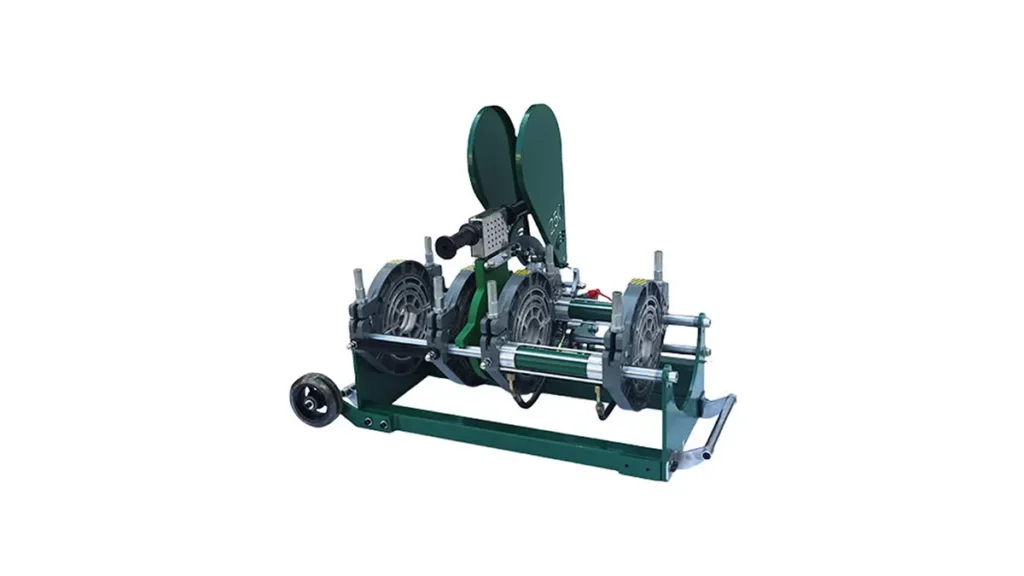
One of the most effective ways to evaluate a contractor is to understand the equipment they use. A professional team usually works with a butt fusion machine that matches the pipe diameter, pressure class, and project environment. Good equipment is not just a tool; it is the foundation of repeatable weld quality. For large-scale projects, the difference between standard equipment and a well-engineered fusion system can be the difference between smooth delivery and repeated rework.
Why HDPE Pipe Welding Quality Matters
HDPE pipe systems are widely used because they offer strong resistance to chemicals, abrasion, and environmental stress. However, the performance of the pipeline depends heavily on the quality of each joint. A perfectly fused joint becomes part of the pipe itself, creating a seamless connection that can last for decades. A poorly executed weld, on the other hand, can become the weak point in an otherwise durable system.
For contractors and project managers, this means the welding stage deserves careful attention. Proper fusion requires controlled heating, correct pressure application, accurate alignment, and enough cooling time before moving the pipe. Skipping any of these steps can reduce joint strength. When you are searching for local contractors, ask how they handle these critical steps and whether they document each weld for quality assurance.
Key point: Reliable welding is not only about skill; it also depends on correct procedures, calibrated equipment, and a contractor’s ability to maintain consistency across the entire job.
What Makes a Reliable HDPE Pipe Welding Contractor
A reliable contractor should demonstrate more than basic welding ability. They should understand pipe fusion methods, site conditions, safety requirements, and project scheduling. Look for evidence of hands-on experience with water, gas, mining, and industrial pipeline projects. These sectors often have different pressure requirements and environmental challenges, so a contractor with broader experience is usually better prepared.
Another important indicator is the use of modern welding technology. Contractors who invest in quality machines tend to deliver more consistent results. Precision matters in butt fusion, where temperature stability, hydraulic pressure, and clamp alignment all influence the final joint. A team that relies on outdated or poorly maintained equipment may still complete the job, but the weld consistency may not meet the standards required for demanding applications.
Tip: If a contractor cannot explain how they verify temperature accuracy or pipe alignment, that is a warning sign. Reliable service providers should be able to describe their process clearly and confidently.
Where to Start Your Search Near You
When you type “near me” into a search engine, you will usually see a mix of local companies, distributors, fabrication shops, and large manufacturers. This can be useful, but it can also be confusing. The best starting point is to identify the type of service you actually need. Some contractors specialize in field welding only. Others provide equipment sales, training, and project support. A few offer complete fusion solutions, including machine selection, technical guidance, and spare parts support.
If your project is urgent, choose a contractor or supplier with fast response times and local service availability. If your project is complex, prioritize technical support and proven performance over convenience. In many cases, a nearby team with limited experience is less valuable than a more capable partner who can deliver the right equipment and guidance on time.
For contractors seeking dependable machinery and technical support, manufacturers with global project experience are often a smart option. JQ-Fusion, for example, focuses on HDPE pipe welding machines and supports a range of pipeline applications with manual, hydraulic, and CNC automatic butt fusion systems. Their background in large and small diameter projects can be useful when your work requires a dependable and scalable solution.
How to Evaluate a Contractor Before Hiring
Before you sign a contract, ask for clear evidence of capability. This can include previous project references, machine specifications, quality certificates, and examples of similar installations. A trustworthy contractor will not hesitate to share this information because it shows professionalism and transparency.
Below are several practical checks you can use during evaluation:
● Experience: Ask how many years they have worked with HDPE pipe fusion and what types of projects they have completed.
● Equipment: Confirm whether they use modern butt fusion, electrofusion, or CNC automatic systems suitable for your pipe size.
● Quality control: Ask how they check temperature, pressure, clamp alignment, and weld consistency on site.
● Support: Find out whether they provide installation guidance, training, spare parts, and after-sales service.
It is also wise to ask about documentation. Professional contractors often maintain weld records, inspection reports, and machine calibration logs. These documents are especially important for regulated projects or where long-term performance needs to be verified later. Even if your project is smaller, good documentation is a sign that the contractor takes quality seriously.
The Role of Welding Machines in Contractor Reliability
Many people focus only on the contractor’s labor team, but the machine behind the weld is equally important. A well-trained operator can still struggle if the equipment is unstable or poorly matched to the job. Reliable fusion machines should deliver stable heating, accurate hydraulic pressure, and firm clamping. They should also be easy to maintain and suitable for the pipe sizes used in your project.
JQ-Fusion manufactures a range of equipment designed for global pipeline work, including hydraulic butt fusion welding machines, automatic butt fusion welding machines, electrofusion welding machines, and multi-angle pipe fitting welding machines. This kind of product diversity is useful because different projects require different levels of automation, precision, and mobility. A contractor who works with dependable equipment is more likely to produce repeatable, high-strength joints.
For teams that need customization, OEM and ODM support can also be valuable. Machine voltage, color, configuration, and branding may all matter depending on the market or project standard. Reliable partners can tailor their solution to match the application rather than forcing a one-size-fits-all approach.
Remember: The best contractor is not always the cheapest. The best contractor is the one that reduces risk, improves joint quality, and helps you complete the project without expensive rework.
Industries That Depend on Reliable Fusion Work
HDPE fusion is not limited to one type of construction. It is used in water supply systems, gas distribution networks, mining operations, wastewater projects, and industrial pipeline installations. In each of these sectors, reliable fusion is essential because a failed joint can lead to downtime, environmental damage, or safety concerns.
Water projects often require long-distance reliability and consistent pressure performance. Gas systems demand strict safety standards and exact execution. Mining projects may face harsh conditions, vibration, and heavy wear. Industrial systems can involve temperature variation and demanding schedules. Because of these differences, a contractor with broad experience is more likely to understand the specific demands of your application.
That is why global experience matters. Manufacturers and contractors who have supported projects in multiple regions usually understand not only the technical side, but also logistics, supply timelines, and local job-site expectations. Their experience can shorten lead times and reduce operational stress during the project.
Why JQ-Fusion Is Worth Considering
For buyers who are not only looking for local labor but also for dependable welding equipment and technical support, JQ-Fusion presents a strong option. With more than 20 years of industry experience, the company focuses on the development and production of HDPE pipe welding machines for contractors and distributors worldwide. Its product range covers manual, hydraulic, and CNC automatic butt fusion machines, supporting different pipe diameters and project requirements.
JQ-Fusion also emphasizes advanced manufacturing technology and strict quality control. Machines are tested for temperature accuracy, hydraulic pressure stability, and clamp alignment, which are all essential factors in producing reliable fusion results. In practical terms, this means the equipment is designed to perform consistently on real projects, not just in ideal factory conditions.
In addition, the company offers flexible customization and reliable global support. For contractors who need a partner with OEM and ODM capability, that level of flexibility can be very valuable. It allows businesses to build their own market advantage while still benefiting from a proven technical foundation.
If you want to explore their equipment and support options, you can learn more directly through the butt fusion machine page and review the available solutions for your project needs.
How to Avoid Common Hiring Mistakes
One common mistake is choosing a contractor based only on proximity. Being nearby is helpful, but it does not guarantee quality. Another mistake is failing to check whether the contractor uses properly maintained equipment. Even experienced welders cannot compensate for badly calibrated machines. A third mistake is ignoring after-sales support. If your project requires training, spare parts, or technical troubleshooting, you will need a partner who can respond quickly.
To avoid these problems, create a simple comparison list. Score each contractor on experience, equipment quality, response time, documentation, and support. This approach makes the decision more objective and reduces the chance of choosing a low-cost option that creates higher long-term expense.
Practical advice: Ask for a trial explanation of their welding procedure. A professional contractor should be able to walk you through the fusion steps in clear, project-specific language.
Conclusion
Finding reliable HDPE pipe welding contractors near you is about more than a quick local search. It requires careful evaluation of experience, equipment, quality control, and support capability. The strongest contractors and suppliers are those who can deliver stable weld performance, adapt to different project conditions, and provide the technical backing needed to keep work moving safely and efficiently.
Whether you are managing a water line, gas network, mining pipeline, or industrial installation, it pays to partner with a team that treats fusion quality as a priority. From machine selection to final inspection, every stage matters. If you are comparing local service providers and equipment suppliers, focus on proven performance, not just convenience. In doing so, you will improve project reliability and reduce long-term maintenance risk.
Frequently Asked Questions
Q1: What should I ask an HDPE pipe welding contractor before hiring?
Ask about project experience, welding methods, machine calibration, quality control procedures, and after-sales support. These answers will show whether the contractor is prepared for your specific job.
Q2: How do I know if a contractor uses reliable equipment?
A reliable contractor should be able to explain the machine model, its temperature and pressure control, and how often it is inspected or calibrated. Documentation is a strong sign of professionalism.
Q3: Is it better to choose a local contractor or a specialized supplier?
It depends on your project. Local service is convenient, but specialized suppliers may offer better technical support, stronger equipment options, and more consistent fusion results.
Q4: What industries commonly use HDPE pipe welding?
HDPE pipe welding is widely used in water supply, gas distribution, mining, wastewater, and industrial pipeline systems because of its durability and corrosion resistance.
Q5: Why should I consider JQ-Fusion for welding equipment?
JQ-Fusion offers more than 20 years of experience, a wide product range, quality-tested machines, OEM/ODM customization, and global technical support for pipeline projects.



