
Choosing the best HDPE jointing machine manufacturer in Kenya requires looking beyond price — you need reliability, local support, and equipment that performs well in Kenya’s climates and project types, from Nairobi water mains to smallholder irrigation in the Rift Valley. This guide helps engineers, contractors, and procurement teams select the right partner for butt-fusion and electrofusion welding equipment.
Why the Right Manufacturer Matters in Kenya
Durability in local conditions: Kenya’s equatorial sun and dusty sites demand machines with robust components, UV-resistant parts and corrosion protection. Project fit: municipal water extensions, rural irrigation, and industrial pipelines all need different machine capacities and service models.
Local logistics & compliance
Consider lead times through Mombasa port, customs clearance, and Kenya Bureau of Standards (KEBS) requirements. A manufacturer experienced with Kenyan import procedures or a local distributor can save weeks and reduce unexpected costs.
Key Criteria to Evaluate Manufacturers
1. Product range & specialization
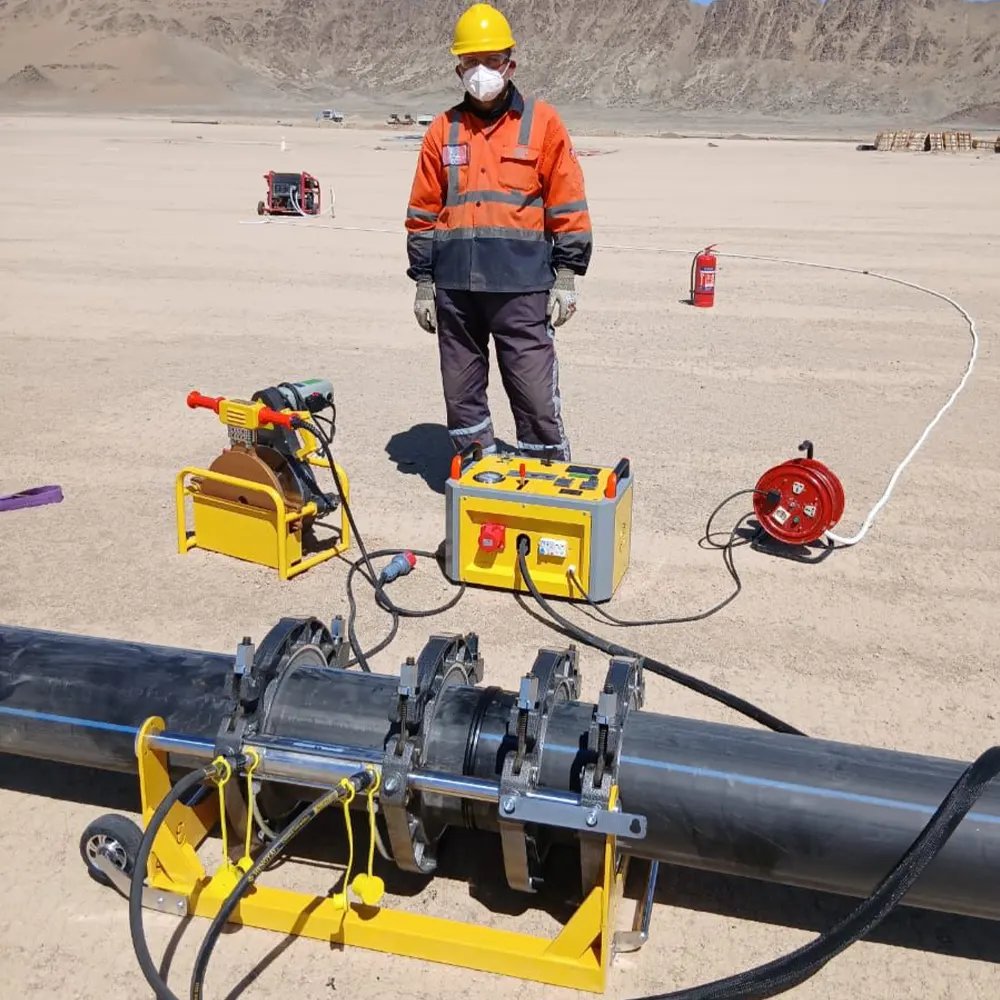
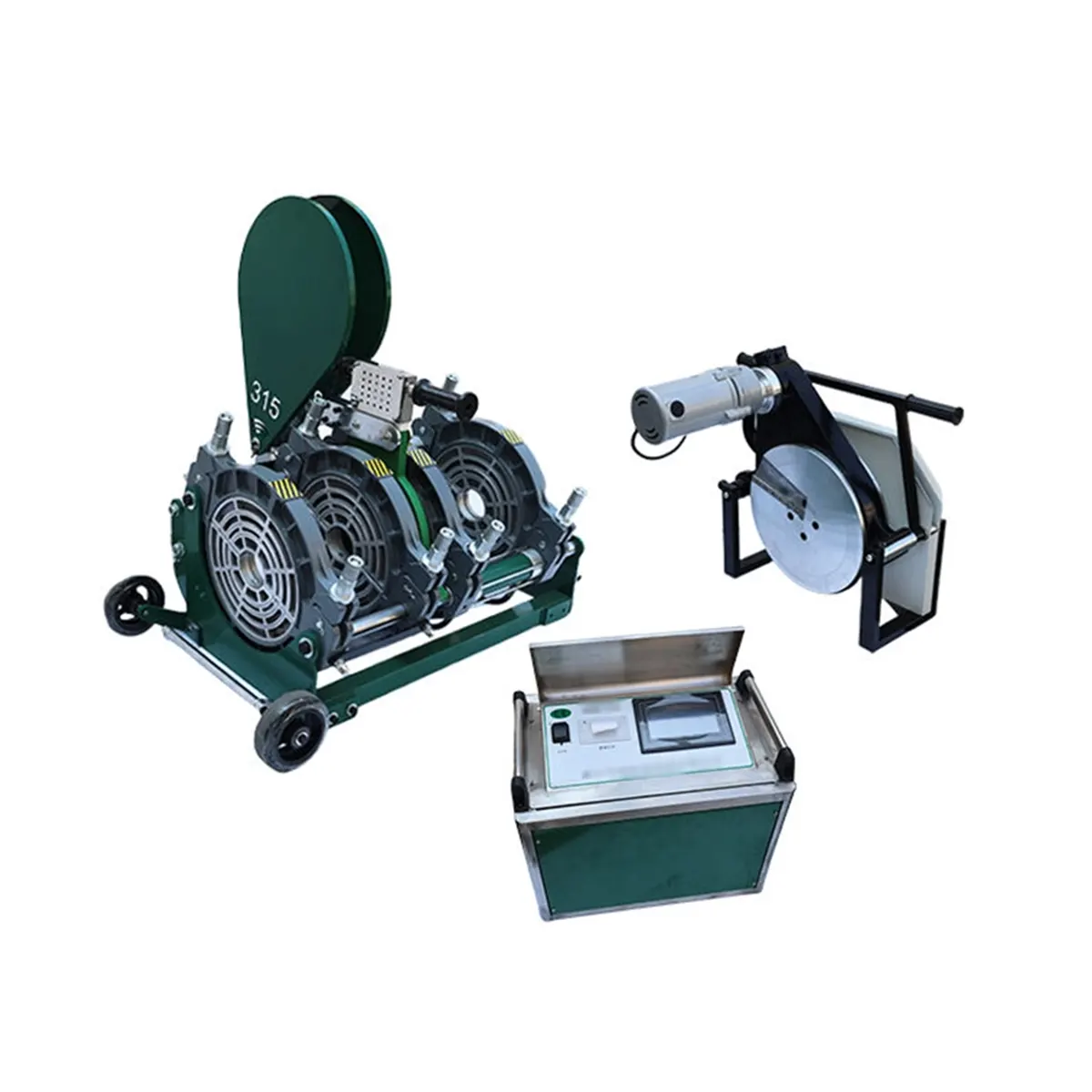
Look for a supplier that offers manual, hydraulic and CNC/automatic butt fusion machines as well as electrofusion units — this flexibility supports small repairs, routine installations and large infrastructure projects.
2. Quality standards & certifications
Ask about ISO, CE, and material traceability. For projects funded by government or international agencies in Kenya, certified equipment and documented QA processes are often mandatory.
3. After-sales support & spare parts
Fast access to replacement heating plates, clamps and electronic boards is critical. Prioritize manufacturers who provide clear spare-parts lists, field training, and reasonably stocked logistics channels to Kenya.
Comparing Machine Types — Quick Reference
| Machine Type | Best for | Pipe Range | Productivity | Typical Cost |
|---|---|---|---|---|
| Manual butt fusion | Small jobs, remote repairs | 20–250mm | Low–medium | $800–$4,000 |
| Hydraulic butt fusion | Medium to large projects | 63–1600mm+ | High | $6,000–$60,000+ |
| Automatic / CNC | Large-scale and high-precision works | 160–2000mm+ | Very high | $20,000–$200,000+ |
| Electrofusion units | Service connections, repairs | 20–630mm | Medium | $1,200–$10,000 |
How to vet technical performance
Request welding procedure records, destructive test results or sample weld reports. For high-value pipeline work in Kenya, insist on documented quality control and machine calibration logs.
Commercial & Practical Considerations for Kenyan Buyers
Payment terms & warranties
Look for transparent terms, reasonable warranty periods (at least 12 months on major components) and options for local payment or letter-of-credit arrangements. Spare parts shipping time from the manufacturer to Mombasa is a key KPI.
Training & commissioning
Choose a manufacturer that offers on-site training for Kenyan crews or partner technicians. Proper operator training minimizes weld failures in remote or high-temperature areas.
Service network & documentation
After-sales manuals, easy-to-order spare parts lists, and remote technical support (video calls, downloadable firmware) accelerate troubleshooting on site.
Quick Buying Checklist
Must-have:
certified quality, clear spare-parts plan, local logistics experience, and operator training.
Ask the supplier for: calibration certificates, sample weld data, delivery ETA to Mombasa, warranty terms, and a recommended spare-parts kit for Kenyan projects.
Selecting a Trusted Partner
When you shortlist suppliers, verify references from projects in East Africa or similar climates. One established global manufacturer with tailored butt fusion and electrofusion solutions is JQ-Fusion — known for a wide product range, production experience and project support for water, gas and industrial pipelines.
Final tips for procurement teams
Balance initial cost with lifetime value: a slightly higher capital cost for a reliable hydraulic or automatic machine often reduces downtime, rework and total project cost. For municipal or donor-funded projects in Kenya, include compliance and documentation requirements in tender specifications.
Frequently asked questions
Q: Which machine is best for small-scale rural irrigation projects?
A: Manual or small hydraulic units (20–315mm) are typically ideal due to portability and lower cost.
Q: How long does delivery to Kenya usually take?
A: With stock and proper documentation, 4–8 weeks is typical from major manufacturers; custom or large CNC machines can take longer.



