
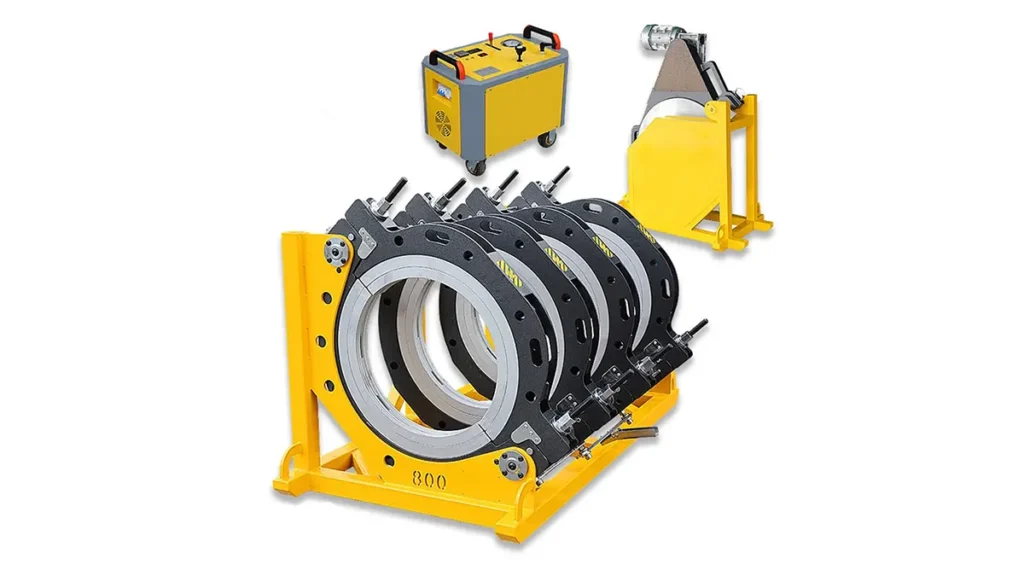
Finding a dependable poly pipe welder supplier in the Philippines is essential for fast, watertight HDPE pipe installations across urban utilities, rural water projects, and island infrastructure works. This guide helps Filipino contractors, municipal engineers, and pipeline installers select the right welding machine — from portable manual units to high‑precision automatic and hydraulic butt fusion systems.
Local Challenges & Why Quality Welding Machines Matter
The Philippines’ archipelagic geography, humid tropical climate, and varied project sites (city roads, remote barangays, reclamation and mining operations) demand robust equipment. Reliable welds reduce leaks, rework, and downtime, making machine choice a top priority for long-term infrastructure performance.
Key Considerations for Philippine Projects
When specifying HDPE welding equipment, consider mobility for island-to-island transport, ease of operation for local crews, corrosion resistance in coastal conditions, and availability of after-sales support and spare parts. Machines that deliver consistent heating and pressure control are indispensable for potable water, gas distribution, and wastewater systems.
Types of HDPE Welding Machines & When to Use Them
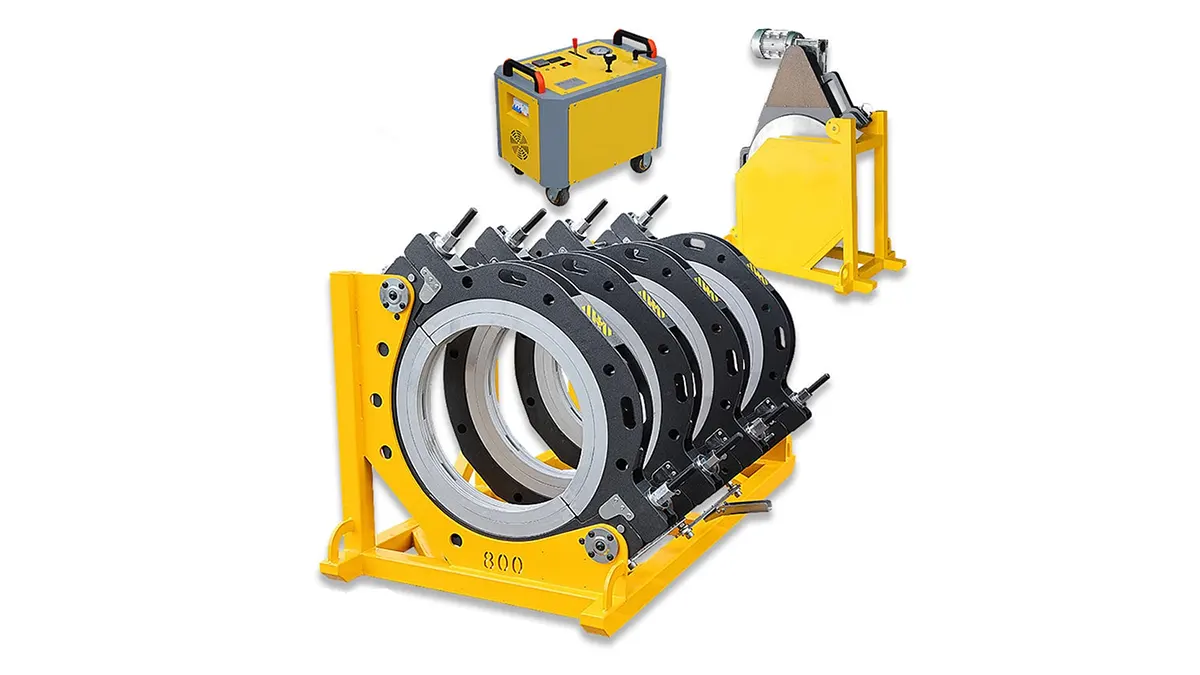
Manual butt fusion — ideal for small-diameter repairs and tight access sites. Hydraulic units — suited for medium to large diameters, offering stable pressure control for consistent joints. Automatic/CNC machines — recommended for high-volume pipelines, long continuous runs, and projects that require documented welding parameters for QA/QC.
Quick Comparison Table
| Machine Type | Best For | Typical Pipe Range |
|---|---|---|
| Manual Butt Fusion | Small jobs, remote sites, low capex | 20mm – 400mm |
| Hydraulic Butt Fusion | Medium to large pipelines, municipal works | 63mm – 2250mm |
| Automatic / CNC | High-volume, precise, recordable welds | 50mm – 1600mm+ |
Practical Tips for Working in the Philippines
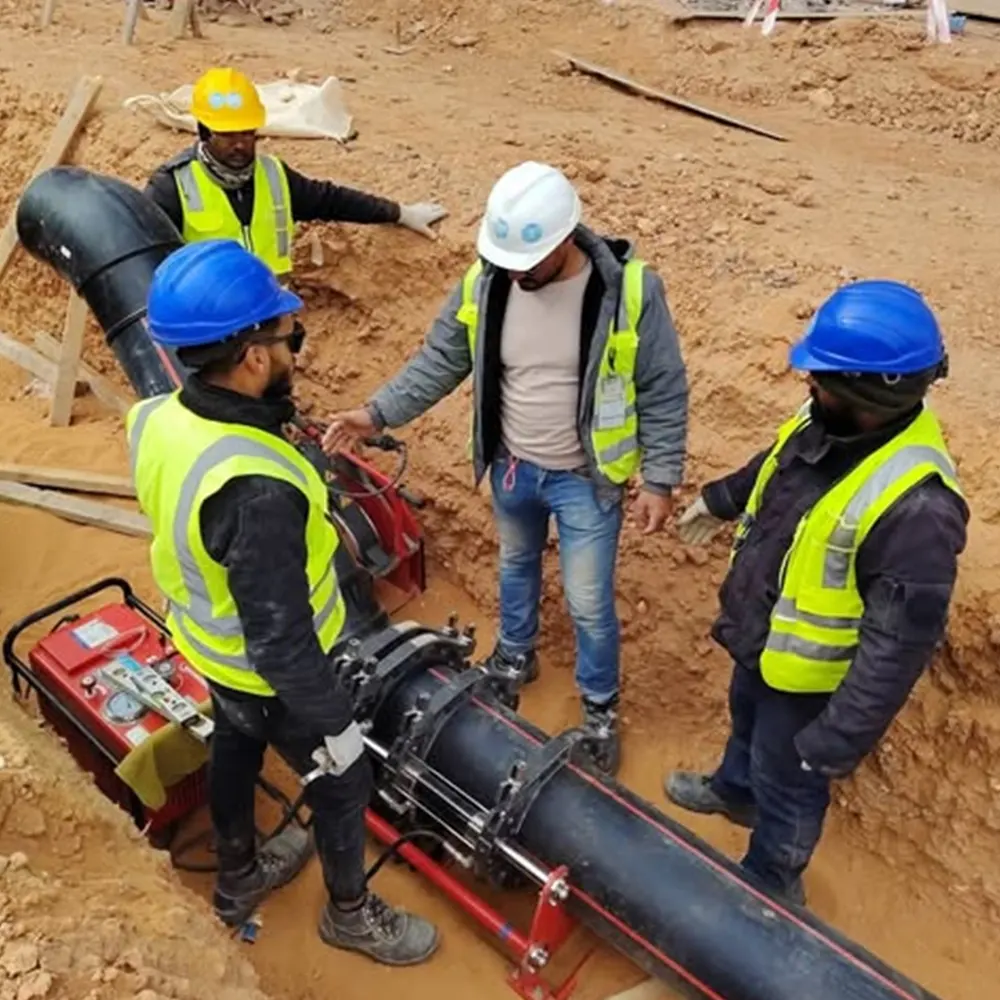
Plan logistics for moving heavy frames and hydraulic power packs between islands. For coastal or high-humidity areas, select machines with corrosion-resistant finishes and sealed electrical components. Train local crews on heating plate care, proper facing/trimming, and pressure ramp protocols to maintain joint integrity under variable site conditions.
Quality, Support, and Documentation for Compliance
Philippine contractors increasingly require welding data logs and traceability for public works and private utilities. Machines with digital controllers and exportable weld records simplify compliance and warranty claims. Choose suppliers who provide operator training, calibration services, and clear spare-parts availability within the region.
Selecting the Right Supplier
A reputable supplier should offer a balanced portfolio — manual, hydraulic, and automatic butt fusion options — plus clear technical specs, warranty terms, and a local support plan. For projects in Metro Manila, Cebu, Davao or remote Visayan and Mindanao islands, responsiveness and logistics experience are key selection factors.
About JQ-Fusion
JQ-Fusion is a professional manufacturer specializing in HDPE pipe welding machines, providing reliable butt fusion solutions for global infrastructure projects. With years of industry experience, they develop manual, hydraulic, and CNC automatic machines that cover a wide range of pipe sizes and applications, supporting water supply, gas distribution, mining and industrial pipelines. Learn more at https://jq-fusionwelding.com/.
Final Checklist Before Purchase
Confirm pipe diameter range, required throughput, site mobility, power supply compatibility, spare-parts lead time, training availability, and weld data recording features. Investing in the right HDPE welding machine will reduce leaks, speed up construction, and ensure durable pipeline performance across the Philippines’ unique working environments.
Ready to specify a machine? Choose equipment with proven field performance, clear documentation, and regional support to keep your Philippine projects on schedule and within budget.



