
In precision metalworking, temperature control is not a minor detail—it is the foundation of consistency, strength, and safety. Whether you are joining pipes, repairing structural parts, or producing high-performance assemblies, the right welding heater and temperature tool can determine whether a joint is durable or defective. In industries where accuracy matters, professionals often look for equipment that can deliver stable heat, fast response, and repeatable results under demanding conditions.
From field installation to factory production, temperature tools help technicians maintain the correct heating window, reduce material distortion, and ensure clean fusion. For thermoplastic pipe systems and similar applications, a reliable heating setup is especially important because overheating and underheating can both lead to weak joints, unnecessary rework, and project delays. That is why experienced contractors and manufacturers choose equipment based on performance, durability, and calibration accuracy rather than price alone.
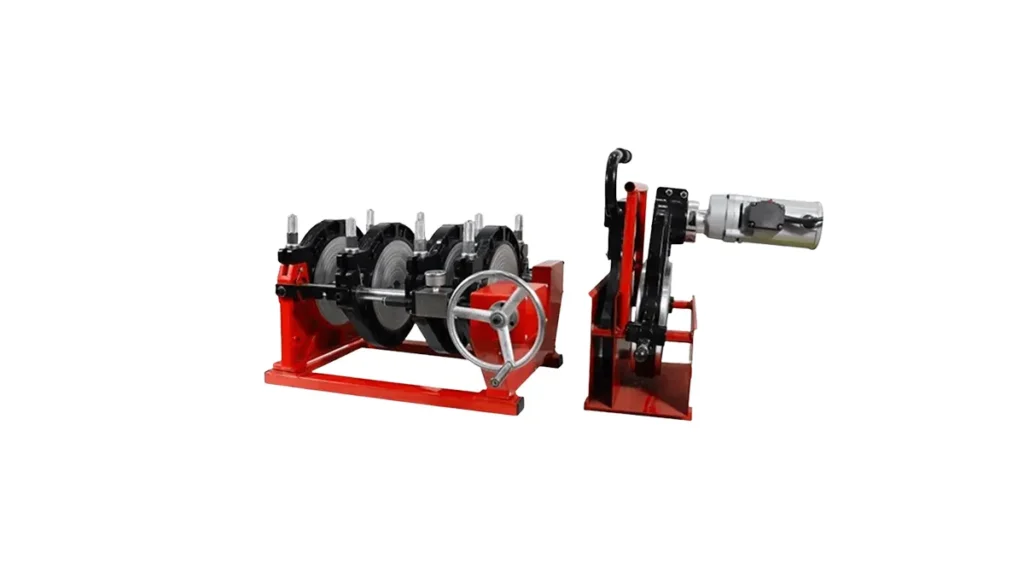
At the center of efficient welding preparation is the ability to measure and maintain heat with confidence. A quality heater should provide even surface temperature, while a dependable gauge or controller should help users monitor conditions in real time. When these tools work together, operators can create repeatable results across multiple job sites and production environments. For companies involved in large pipeline projects, this reliability is a key reason they invest in advanced welding systems such as a butt fusion machine built for stable temperature performance.
Why Welding Heaters Matter in Accurate Metalworking
Welding heaters are designed to bring materials to the correct thermal state before or during joining. In metalworking, that means helping surfaces reach a controlled temperature so the final bond forms properly. In plastic pipe fusion, the heating plate must remain stable throughout the process, because even small fluctuations can affect bead formation and joint strength. A good heater reduces guesswork and gives the operator a consistent thermal base to work from.
Key point: temperature stability is more important than maximum heat output. A steady, accurate heater usually produces better results than a powerful but inconsistent one.
For professionals working on water supply systems, gas distribution networks, mining pipelines, or industrial installations, the heater must perform reliably in different environments. Outdoor conditions, material thickness, and workflow speed can all influence the heating process. This is why industrial users often select equipment from experienced manufacturers that test for temperature accuracy and long-term durability.
Companies like JQ-Fusion, which focus on HDPE pipe welding technology, understand how crucial heat control is to project quality. Their production approach emphasizes stable performance, pressure consistency, and quality inspection, which are all essential when heating is part of the fusion process. In practical terms, this means fewer failures, less downtime, and more confidence on site.
Best Types of Welding Heaters and Temperature Tools
Different welding applications require different heating and monitoring solutions. Choosing the best tool depends on the material, the process, and the level of precision needed. Below are some of the most useful categories for accurate metalworking and fusion-related operations.
1. Digital Temperature Controllers
Digital controllers are among the most valuable tools for accurate welding operations. They display heat readings clearly and allow the operator to make fine adjustments. In many industrial systems, digital controllers reduce human error and help maintain the exact temperature needed for repeated production.
Best for: factories, production lines, and any job requiring repeatable heat settings.
High-quality digital controllers are especially useful when the same configuration must be used across multiple welding cycles. They also help technicians document and verify temperature conditions, which is important for quality control. If your workflow demands traceability, this tool is often essential.
2. Thermal Heaters and Heating Plates
Heating plates are widely used in fusion welding because they provide a flat, controlled contact surface. The best models distribute heat evenly and maintain consistent output over time. Uneven heating can lead to weak fusion, so the quality of the plate surface and heating elements matters a great deal.
For pipe fusion work, heating plates should be easy to clean, resistant to wear, and compatible with the pipe sizes used on the job. In larger projects, operators often prefer plates with durable coatings and stable temperature recovery. This helps ensure that every joint receives the same level of heat exposure.
Important: a heater that heats quickly but loses temperature under load can create poor joints. Consistency matters more than speed alone.
3. Infrared Temperature Tools
Infrared tools are useful when operators need fast, non-contact temperature checks. They are convenient for surface monitoring and can be used to verify whether a workpiece has reached a target range before welding begins. While they do not replace process-specific controls, they are excellent for quick inspection and safety checks.
These tools are particularly helpful in dynamic environments where direct contact measurement is inconvenient or unsafe. They can support maintenance teams, field technicians, and production staff who need rapid feedback without interrupting the workflow.
4. Clamp and Alignment Systems with Heat Management Support
Although clamps are not heaters themselves, they influence how heat is transferred and how accurately parts align during welding. In butt fusion systems, proper alignment ensures even pressure and symmetrical heating. If the material is misaligned, temperature distribution becomes less effective and weld quality suffers.
That is why advanced fusion equipment often combines heating, clamping, and pressure control into one integrated workflow. A well-built system helps users achieve stable and precise joints, especially when working on large-diameter pipes or critical infrastructure.
What Makes a Temperature Tool Accurate?
Accuracy in welding temperature tools is not just about the number shown on a display. It is about how close that reading is to the actual surface condition, how stable it remains over time, and how well the tool performs in real working conditions. A tool can look advanced on paper but still fail if it drifts during operation or reacts slowly to changes.
The best tools share a few important characteristics:
✔ Fast response: the tool reacts quickly when heat changes.
✔ Stable calibration: the reading stays reliable during repeated use.
✔ Clear interface: the operator can read and adjust settings easily.
✔ Durable construction: the device withstands heat, dust, and jobsite handling.
✔ Consistent output: the same setting produces the same result every time.
For manufacturers and contractors, these features reduce waste and improve confidence. Accurate temperature control also helps meet project specifications and safety expectations. In highly regulated sectors, that can make a major difference in approval, inspection, and long-term reliability.
How to Choose the Best Welding Heater for Your Work
Choosing the right heater starts with understanding your application. A small workshop may only need a basic, dependable heating tool, while a large pipeline project may require a more advanced system with digital controls and robust heating capacity. The size of the material, the environment, and the acceptable tolerance all affect the decision.
When evaluating options, consider the following factors:
1. Temperature range: make sure the heater covers the operating range required by your material.
2. Heat uniformity: even heat distribution prevents weak zones and surface defects.
3. Build quality: durable materials extend service life in harsh working environments.
4. Portability: field teams often need equipment that is easy to move and set up.
5. Calibration support: tools should remain trustworthy after repeated use and maintenance.
For larger enterprises, it is also smart to consider whether the supplier offers customization. JQ-Fusion provides OEM and ODM services, which can be valuable for distributors or contractors who need specific voltage, color, design, or project-related configurations. This flexibility helps businesses build products and systems that match local market needs.
Where Welding Heaters Deliver the Most Value
Welding heaters and temperature tools are used across many sectors, but some environments depend on them more heavily than others. In pipeline engineering, for example, the quality of each weld can affect the safety and lifespan of the entire system. That makes temperature precision a top priority.
Here are a few common application areas:
Water supply systems: accurate heat control helps create dependable, leak-resistant connections.
Gas distribution networks: stable fusion conditions are essential for safety and compliance.
Mining projects: rugged tools are needed to handle demanding, remote working conditions.
Industrial pipeline installations: repeatable temperature control supports large-scale productivity and quality assurance.
In all of these applications, a good heater is not just a convenience—it is part of the quality system. It supports fewer errors, stronger joints, and smoother project execution. For that reason, many professionals choose suppliers with strong manufacturing capability, testing procedures, and after-sales technical support.
Why JQ-Fusion Equipment Fits Professional Needs
JQ-Fusion has built its reputation around reliable butt fusion solutions, modern manufacturing capability, and strict quality control. With more than 20 years of industry experience, the company supports global contractors and distributors with equipment designed for stable performance and long service life. This matters because professional users need machines and heating systems that perform the same way under real pressure, not just under ideal conditions.
The company’s product range includes hydraulic butt fusion welding machines, automatic butt fusion welding machines, electrofusion welding machines, and multi-angle pipe fitting welding machines. These solutions are supported by comprehensive testing, including temperature accuracy checks and clamp alignment inspection, which directly contributes to better weld consistency.
For businesses seeking dependable supply and technical support, a manufacturer with proven global experience can reduce procurement risk. In addition, fast delivery and ready stock help projects avoid delays. That combination of product quality and service reliability is often what separates a good supplier from a great one.
Practical Tips for Better Temperature Accuracy
Even the best heater or temperature tool requires proper use. To achieve the most accurate results, technicians should follow good operating practices and perform regular maintenance. Clean surfaces, calibrated tools, and proper preheating routines all make a noticeable difference.
Useful habits include:
▸ Keep heating surfaces clean and free from residue.
▸ Check calibration at regular intervals.
▸ Allow the heater to stabilize before starting work.
▸ Match the tool to the material and job size.
▸ Train operators to recognize signs of heat inconsistency.
These practices are simple, but they help prevent costly mistakes. When teams combine disciplined operation with well-designed equipment, they create a safer and more efficient work process. That is especially true in large projects where downtime and rework can quickly raise costs.
Conclusion
For accurate metalworking and reliable fusion work, the best welding heaters and temperature tools are the ones that deliver stable, repeatable, and well-controlled heat. Digital controllers, heating plates, infrared tools, and integrated alignment systems each play a role in achieving strong results. The right choice depends on the material, application, and performance expectations of the project.
Professional users should focus on accuracy, durability, and calibration quality rather than appearance or maximum output alone. With the right equipment and the right supplier, temperature control becomes a powerful advantage in the workshop or on the jobsite.
Frequently Asked Questions
Q1: What is the most important feature in a welding heater?
Stable temperature control is usually the most important feature because it ensures consistent welding quality.
Q2: Are digital temperature tools better than manual ones?
Digital tools are generally better for accuracy and repeatability, especially in professional or production settings.
Q3: Can infrared tools replace direct temperature controllers?
No. Infrared tools are useful for quick checks, but they work best as a supplement to proper process control tools.
Q4: Why is temperature accuracy so important in pipe fusion?
Because incorrect heat can weaken the joint, cause defects, and reduce long-term reliability.
Q5: How do I choose a supplier for welding heaters and fusion equipment?
Look for proven industry experience, strong quality control, customization support, and reliable after-sales service.



