
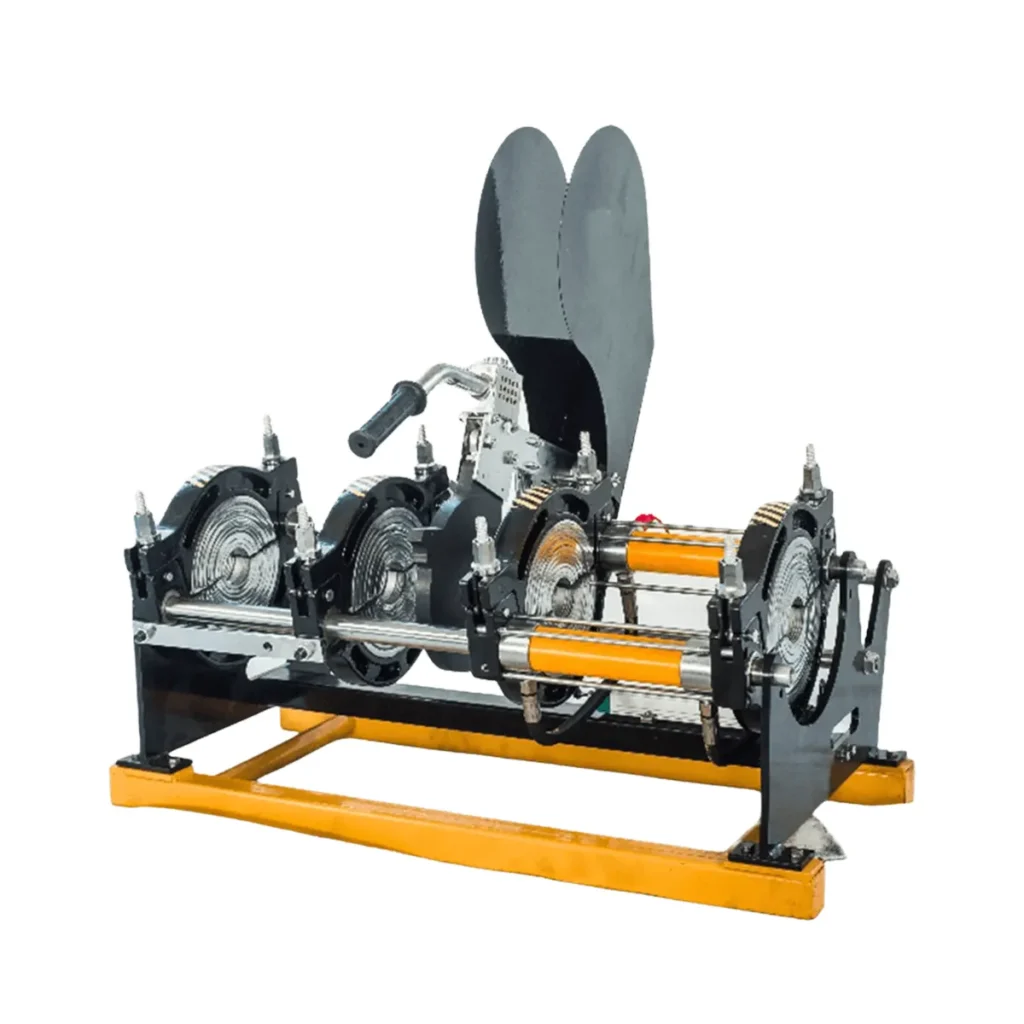
Gabon’s expanding infrastructure — from urban water supply upgrades in Libreville to pipeline projects around Port-Gentil and mining concessions inland — demands robust, easy-to-maintain HDPE fusion machines. A reliable wholesaler supply ensures contractors and municipal teams can complete pipe welding projects on schedule, with equipment suited for the region’s remote sites and tropical climate.
Why Gabonese Projects Need Dependable HDPE Fusion Equipment
Gabonese construction and utility teams face specific challenges: long transport distances, high humidity, and intermittent power at rural sites. HDPE piping is preferred for water distribution, irrigation, and some gas applications because of its corrosion resistance and flexibility. Choosing the right fusion machine reduces rework, leak risks, and project downtime — critical where access to spare parts or specialist service may be limited.
Product Types Tailored for Different Site Needs
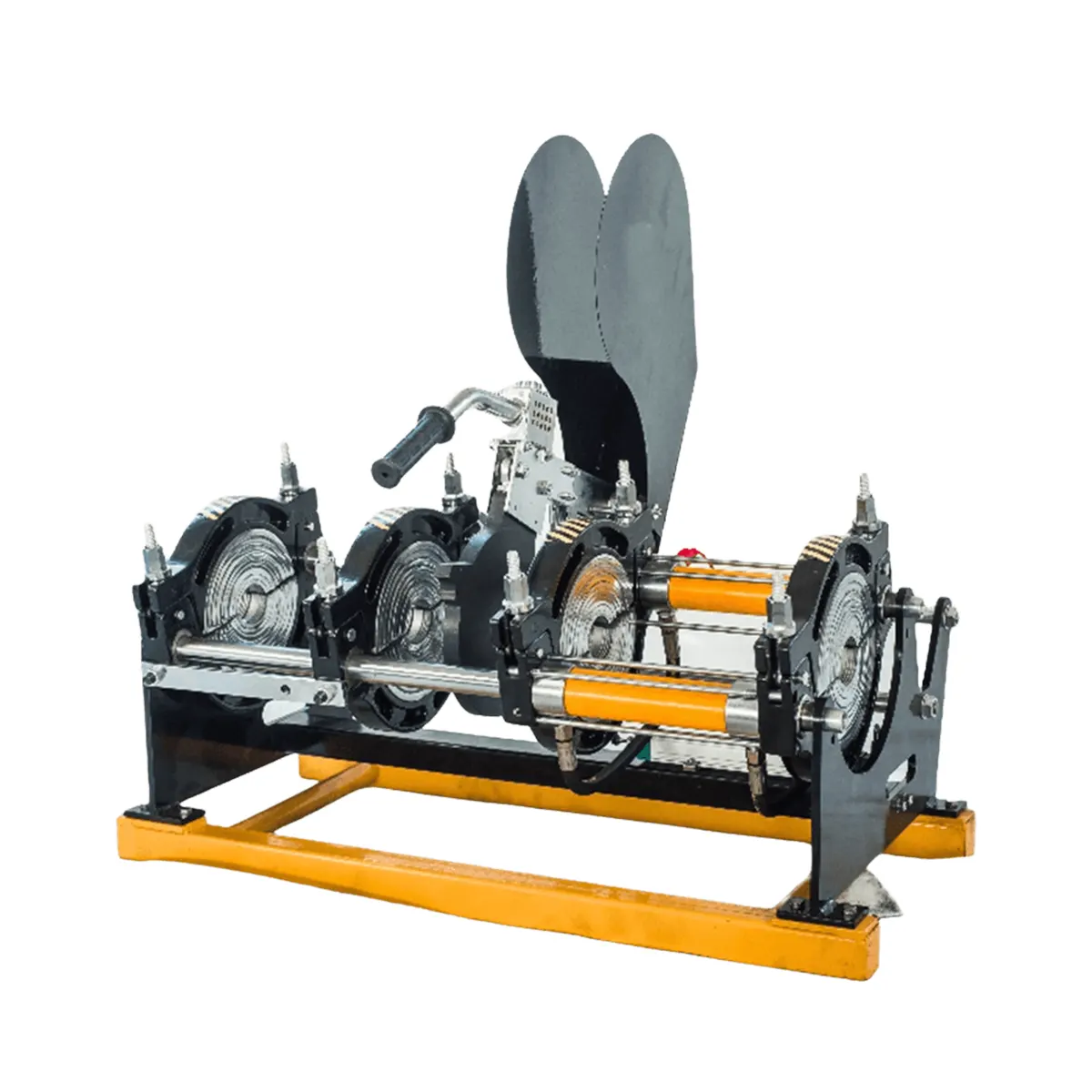
Manual Butt Fusion Machines
Manual machines are lightweight and ideal for local crews performing small-diameter pipework for rural water systems or household connections. They are cost-effective, simple to operate, and easy to transport between sites.
Hydraulic Butt Fusion Machines
Hydraulic models offer higher clamping force and accuracy for mid to large-diameter pipelines used in industrial and mining projects. Their durability suits frequent heavy-duty use and harsh field conditions common in Gabon’s interior project sites.
Automatic/CNC Butt Fusion Machines
Automatic machines provide consistent weld quality and faster cycle times for long distribution mains or high-volume installation contracts. They help engineering teams meet strict quality standards and shorten commissioning time for large-scale utilities.
Local Support, Training, and Logistics
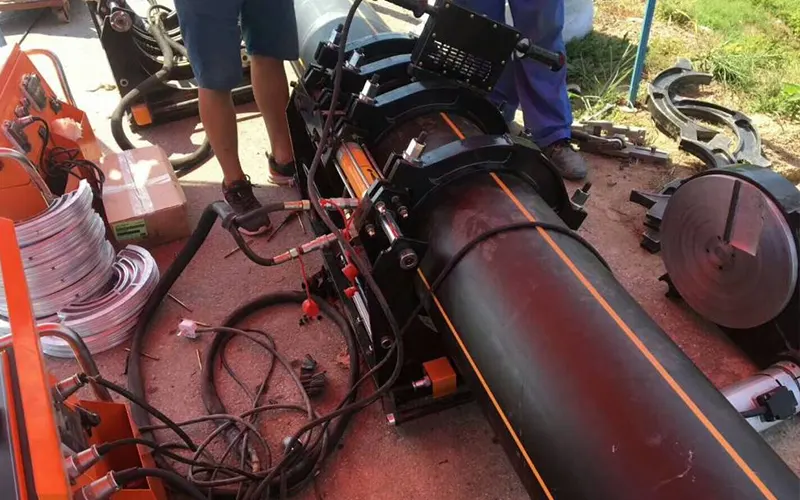
A dependable wholesaler not only supplies machines but also ensures spare parts, training for Gabonese technicians, and shipping routes to Libreville, Port-Gentil, and regional depots. Equipment can be configured for local electrical standards and fitted with portable power options for sites without stable grid access. On-site commissioning and operator training reduce the learning curve and improve long-term weld reliability.
Key Considerations for Procurement
– Match machine type to pipe diameter and project scale.
– Confirm availability of spare heating plates and clamps.
– Verify warranty terms and rapid spare part shipment.
– Arrange operator training and maintenance guidance for local teams.
Quick Comparison — Machine Types
| Type | Pipe Range | Typical Use | Primary Advantage |
|---|---|---|---|
| Manual Butt Fusion | 20–315 mm | Small water mains, household | Portable & low-cost |
| Hydraulic Butt Fusion | 160–1600 mm | Municipal mains, industrial | Robust & precise |
| Automatic / CNC | 63–1600+ mm | Large-scale pipeline projects | Consistent high-quality welds |
Why Work with an Experienced Wholesaler
An experienced supplier maintains inventory, offers technical guidance, and supports installation teams through training and spare parts logistics. For international procurement, prioritize partners with export experience and documented quality assurance. JQ-Fusion provides a range of manual, hydraulic, and automatic butt fusion machines suitable for diverse pipeline programs and can assist with shipping and field support.
Next Steps for Gabonese Buyers
Request detailed specifications for the pipe diameters and service conditions on your project, ask for references from similar African installations, and schedule operator training alongside delivery to ensure immediate productivity on site. Reliable equipment and local training together cut lifecycle costs and deliver safer, leak-free pipelines throughout Gabon.



