
HDPE pipe welding equipment is a critical investment for Chilean infrastructure, mining operations, and municipal projects. From remote Andes pipeline installations to urban water networks in Santiago and coastal ports, selecting the right butt fusion and electrofusion machines ensures long-lasting, leak-free joints and efficient on-site workflows.
Why HDPE Welding Matters in Chile
Chile’s diverse terrain and extensive mining sector place unique demands on pipeline construction. HDPE pipes are favored for corrosion resistance, flexibility in seismic zones, and cost-effective installation. Reliable welding equipment reduces downtime on remote sites, improves joint integrity for potable water and gas distribution, and supports large-scale irrigation projects across agricultural regions such as the Central Valley.
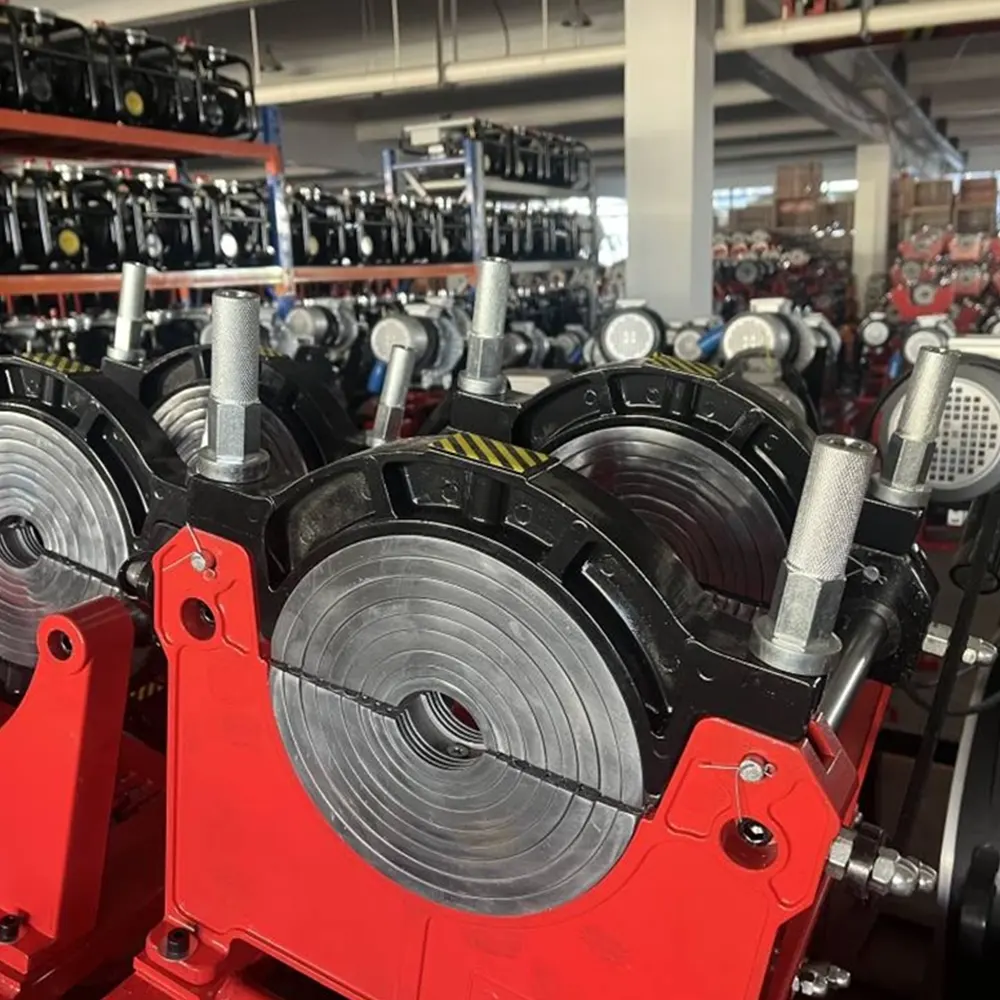
Common Welding Machine Types
Butt fusion, electrofusion, and multi-angle fitting machines are widely used across Chilean projects. Each type serves specific needs:
- Manual butt fusion – portable, economical, ideal for small-diameter pipe repairs and rural water lines.
- Hydraulic butt fusion – robust for medium and large diameters used in mining and municipal trunk lines.
- Automatic / CNC butt fusion – precise, data-logged welds for long pipeline runs and industrial installations.
Quick Specification Snapshot
The following table highlights typical machine choices and when they are best applied on Chilean projects.
| Machine Type | Typical Pipe Range | Best For |
|---|---|---|
| Manual Butt Fusion | 20mm – 250mm | Field repairs, rural water, low-budget jobs |
| Hydraulic Butt Fusion | 63mm – 1600mm+ | Mining, urban trunk mains, gas distribution |
| Automatic / CNC Fusion | 20mm – 1200mm | Large projects requiring traceable weld records |
Selecting Equipment for Chilean Conditions
When choosing welding equipment for projects in Chile, consider climate and site access. Coastal projects need corrosion-resistant components, high-altitude sites require engines and heaters suited for thin air, and mine sites benefit from heavy-duty hydraulic frames. Portability, power source flexibility (diesel, electric, battery), and rugged packaging are practical priorities for contractors working across the Andes, Patagonia, and the Atacama region.
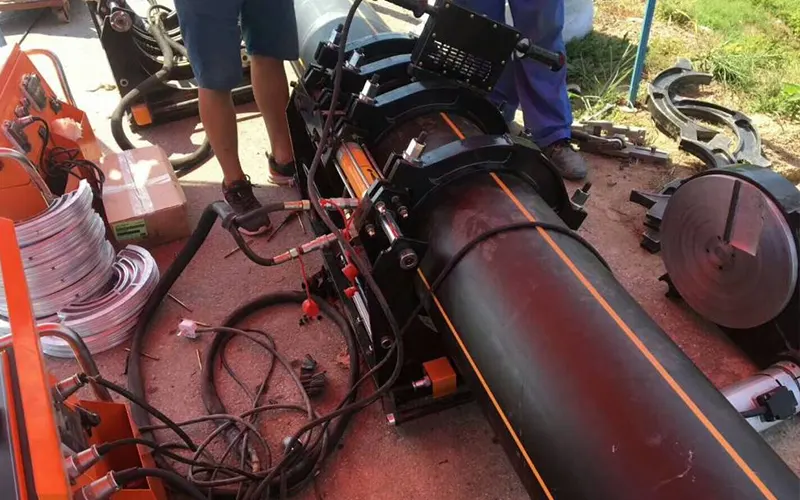
Operational Tips for Best Weld Quality
Proper training and adherence to recommended fusion parameters (facing, heating, and cooling times) will maximize joint strength. For Chilean municipal and potable water systems, document weld parameters and perform random destructive testing to verify compliance with project specifications.
Maintenance & After-Sales Considerations
Choose machines with accessible spare parts, clear service manuals, and options for local technical support. In remote areas, modular repair kits and on-site calibration tools save time. If fleet uptime is critical, prioritize suppliers who can provide replacement components quickly and offer operator training.
Standards and Compliance
Ensure machines and welding procedures are compatible with international fusion standards and adaptable to local project requirements. For large municipal or industrial contracts, traceable weld records and quality control procedures support regulatory approvals and long-term performance.
For reliable butt fusion solutions tailored to global infrastructure needs, visit JQ-Fusion at https://jq-fusionwelding.com/



