
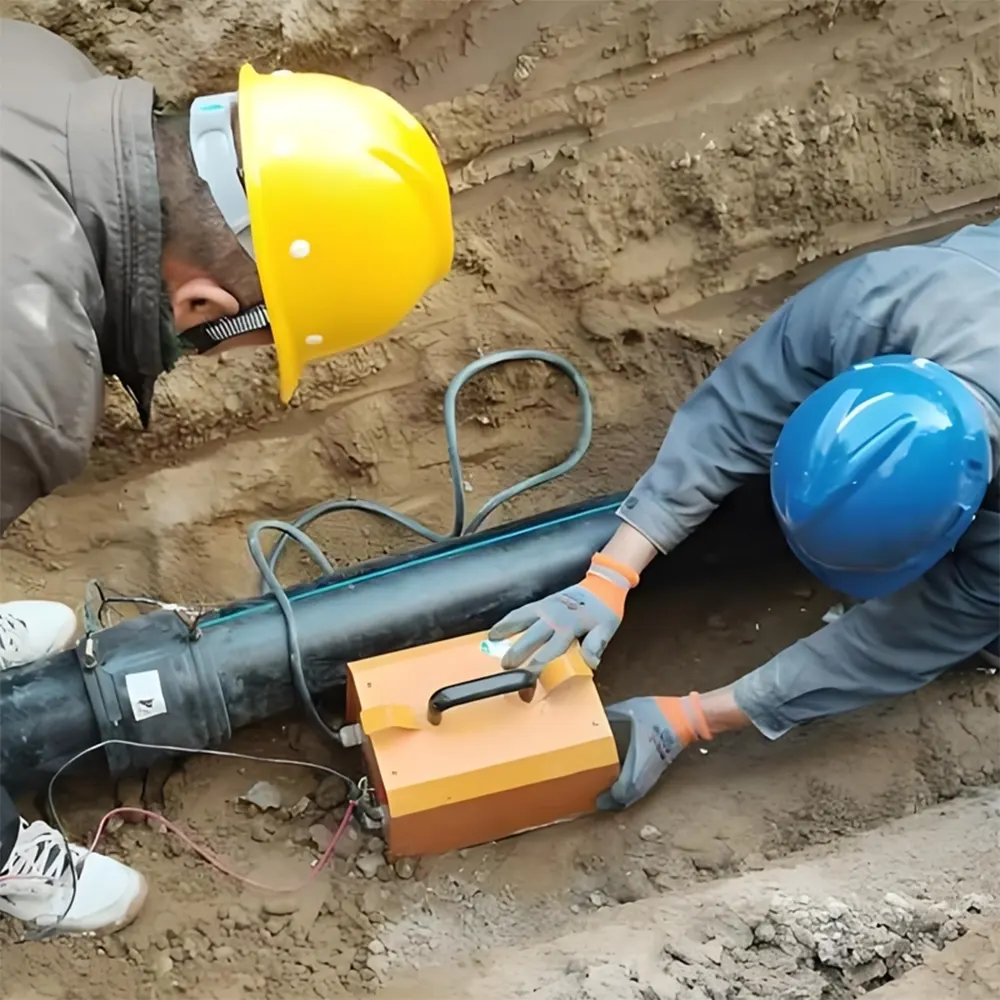
Switzerland’s demanding terrain and exacting infrastructure standards call for precision, durability, and traceability in pipeline welding. Electrofusion welding for HDPE pipes offers reliable joints for water, gas, and district heating networks across alpine, urban, and rural projects. This guide explains why choosing the right electofusion welder factory solutions matters for Swiss contractors, utilities, and installers.
Why Electrofusion Is Ideal for Swiss Pipelines
Electrofusion provides controlled, consistent heating of fittings and couplers, creating joints that are leak-proof and resistant to ground movement — essential in Switzerland where freeze–thaw cycles and slope stability are common concerns. For municipal waterworks, mountain resorts, and natural gas distributors, the method reduces excavation time and enables safe connections in confined urban areas and steep terrain.
Key benefits for Swiss applications:
– Excellent performance in low temperatures and variable weather.
– Minimal excavation and fast on-site joints reduce disruption in historic town centers.
– High repeatability and data logging for compliance with local regulations such as SVGW and utility documentation requirements.

Key Features of Modern Electrofusion Welders
When evaluating machines, Swiss professionals prioritize accuracy, traceability, and robustness. The following features keep projects running smoothly from alpine pipelines to dense metropolitan networks.
| Feature | Benefit |
|---|---|
| Digital control & data logging | Traceable weld records for asset management and compliance |
| Wide voltage compatibility | Easy deployment across sites and mobile generators |
| Portable, rugged housing | Durable for alpine conditions and frequent field use |
| Automatic cycle control | Consistent joints with minimal operator adjustment |
Choosing the Right Machine for Swiss Projects
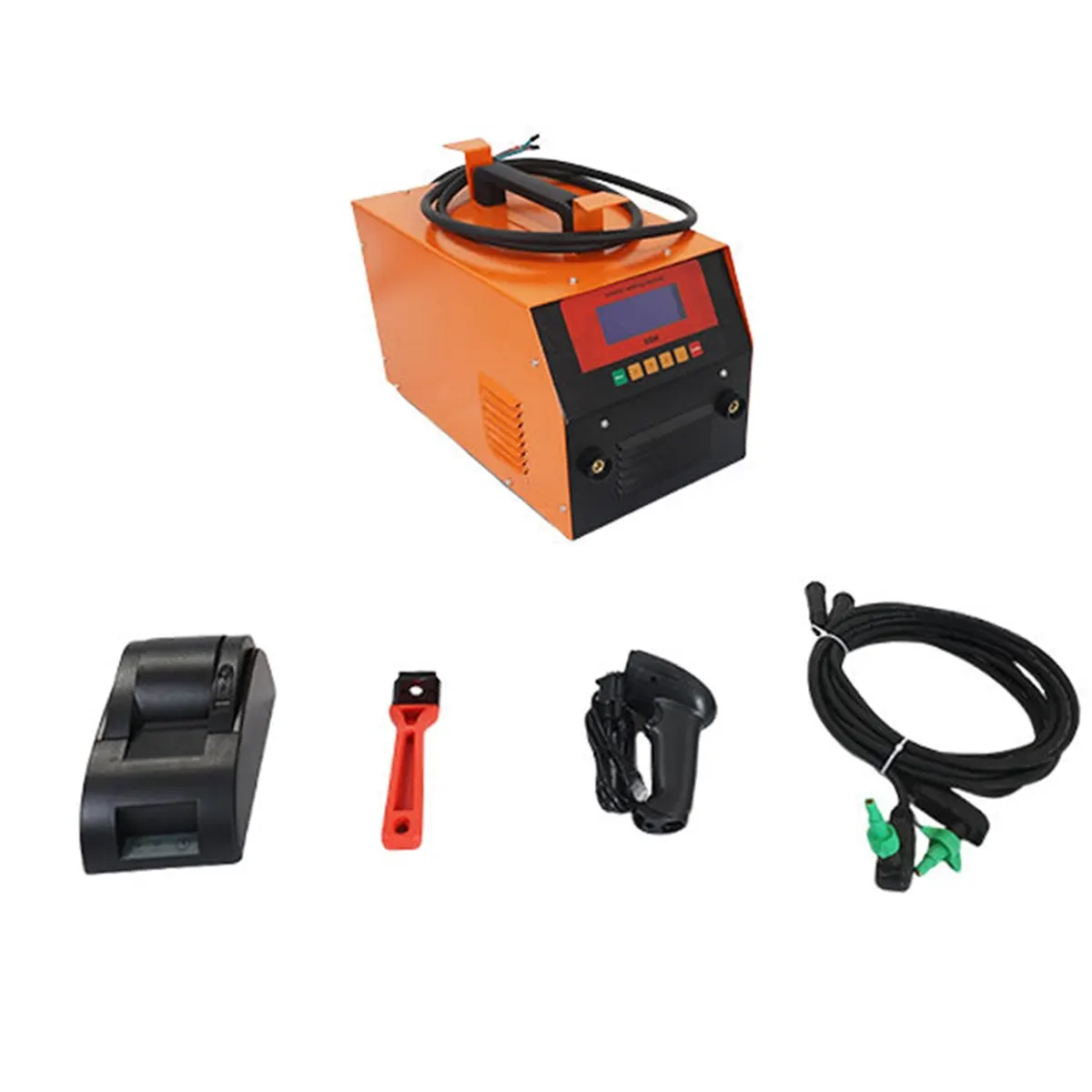
Match machine capability to the job: small, lightweight electrofusion units suit service repairs and tight urban trenches, while larger, feature-rich units with integrated printers and Bluetooth are better for long runs and utility contractors needing full weld traceability. Consider environmental factors common in Switzerland — high altitudes, cold winters, and wet conditions — and select models with proven cold-start performance and sealed electronics.
Certifications and traceability: look for welders that support CSV-compliant data export or integration with asset-management systems, and ensure compatibility with local fitting approvals such as SVGW where required. Good machines reduce rework and help meet strict Swiss documentation standards for drinking water and gas networks.
Installation, Training and After-Sales Support
Reliable supply and local support shorten project timelines. For many European contractors, buying from a reputable manufacturer that can provide documentation, training materials, and service guidance is essential. JQ-Fusion supplies a range of HDPE and electrofusion equipment along with support resources to help teams adopt best practices for safe, compliant welding.
Practical tips for Swiss installers:
– Always store electrofusion fittings and equipment in a dry, temperature-controlled area before use.
– Use certified operators and maintain weld logs for each joint to satisfy municipal records and audits.
– Plan for battery backups or portable generators for remote alpine sites.
To specify a machine, request a demonstration and sample weld reports so you can verify data export formats and environmental performance before purchase. For technical datasheets and production lead times, visit https://jq-fusionwelding.com/ and review product lines that fit Swiss pipeline needs.



