
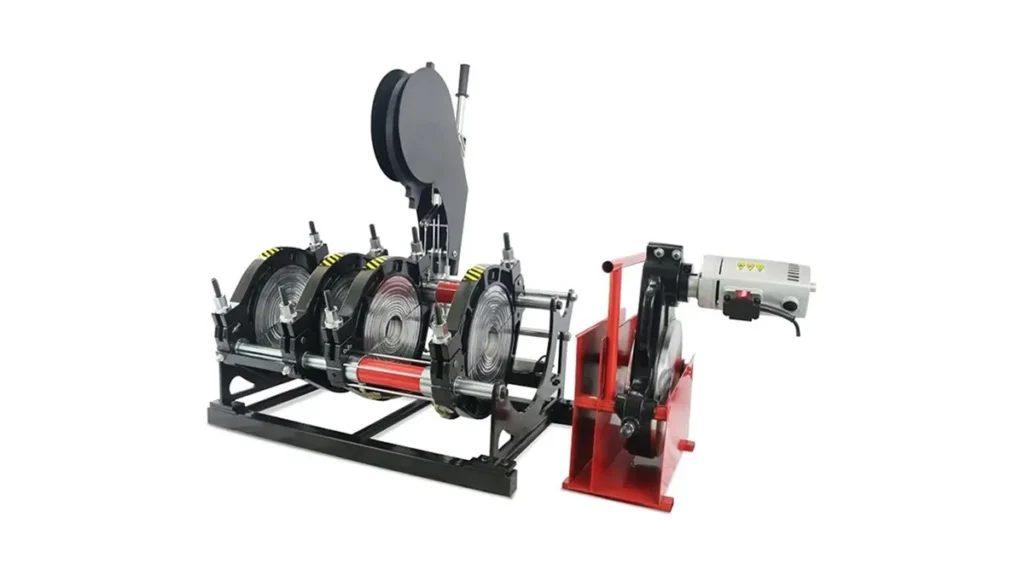
The Democratic Republic of the Congo (DR Congo) is investing heavily in water supply, mining, and rural electrification projects that rely on durable HDPE pipelines. Choosing the right HDPE pipe jointing machine wholesaler in DR Congo means selecting a partner who understands local logistics, tropical conditions, and the needs of contractors and municipal engineers across Kinshasa, Lubumbashi, and provincial worksites.
Why trust a specialist wholesaler for HDPE pipe jointing machines in DR Congo
Local projects require equipment that is robust, easy to maintain, and supported with spare parts and training. A good wholesaler will provide a range of butt fusion solutions—from manual clamps for remote sites to hydraulic and CNC automatic machines for large-diameter trunk lines. Considerations for DRC buyers include transport to inland sites, workshop-level repairability, and compatibility with commonly used PE100/PE80 pipe standards.
Key advantages to look for
Availability of in-stock machines and spare parts, reliable warranty terms, local or regional service agents, on-site commissioning and operator training, and clear documentation in English or French. For mining companies and rural water utilities in DRC, machine portability, weather resistance, and fuel or electrical requirements are especially important.
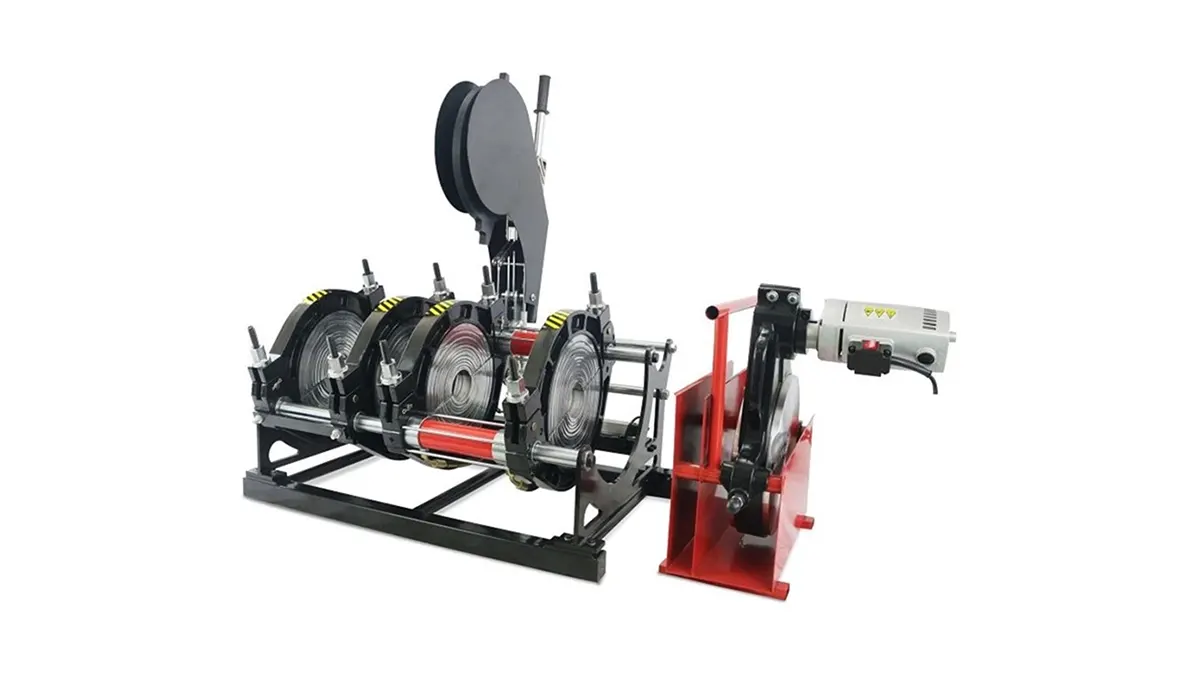
Recommended machine types for DR Congo projects
| Machine Type | Typical Pipe Range | Best For | Power / Control |
|---|---|---|---|
| Manual Butt Fusion (portable) | 20mm – 630mm | Rural water, repairs, remote sites | Mechanical / Low power needs |
| Hydraulic Butt Fusion | 63mm – 1600mm+ | Municipal mains, mining pipelines | Hydraulic unit (diesel or electric) |
| CNC Automatic Butt Fusion | 90mm – 1250mm | Large-diameter production lines, contractors | Electric, PLC / touchscreen control |
Top models to consider for reliability and value
For projects across DR Congo, look for machines that combine simple field serviceability with high weld quality. Models that often meet these requirements include compact manual units for village water networks, mid-size hydraulic sets for urban distribution and mining access roads, and automatic CNC butt fusion machines for large trunk pipelines and contractors who weld at scale. These options suit the range of working conditions found from Kinshasa to remote provincial sites.
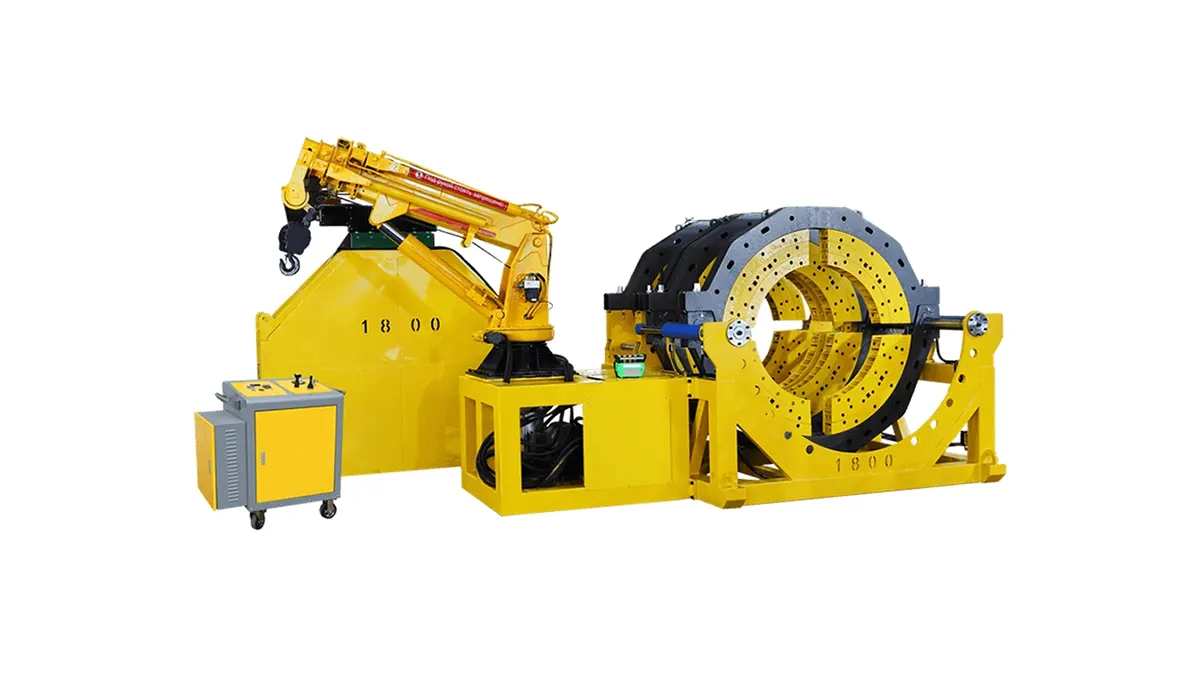
Practical buying checklist for DRC purchasers
1. Confirm pipe compatibility: Ensure the machine supports PE grade and SDR used locally. 2. Check power options: Many sites need diesel generators or battery-ready controls. 3. Ask about spares & consumables: Heating plates, trimming tools, and hydraulic seals must be available. 4. Warranty & training: On-site commissioning and operator training in French or English reduce rework. 5. Shipping & customs: Clarify INCOTERMS, lead time to Matadi or ports near Lubumbashi, and inland haulage options.
Logistics and on-the-ground support in DR Congo
Transport challenges and seasonal access can affect delivery schedules. Plan for robust packaging, local freight providers experienced in heavy equipment handling, and contingency for inland trucking. For contractors in the mining sector, consider machines with easy-to-source hydraulic components and local technicians who can be trained to perform routine maintenance.
After-sales, training and parts
Reliable wholesalers provide spare-part kits, documented maintenance schedules, and remote technical support. Prioritize suppliers who offer operator certification and clear troubleshooting guides—this reduces downtime during rainy seasons and in remote worksites where expert service crews may be far away.
Conclusion — a practical next step
For buyers seeking a dependable source of HDPE pipe jointing machines that can supply the varied needs of DR Congo projects, consider manufacturers and wholesalers with established product ranges, export experience, and the ability to support local deployment. JQ-Fusion (https://jq-fusionwelding.com/) is an example of a supplier known for manual, hydraulic, and automatic butt fusion machines that can be tailored to project scale and site conditions.



