
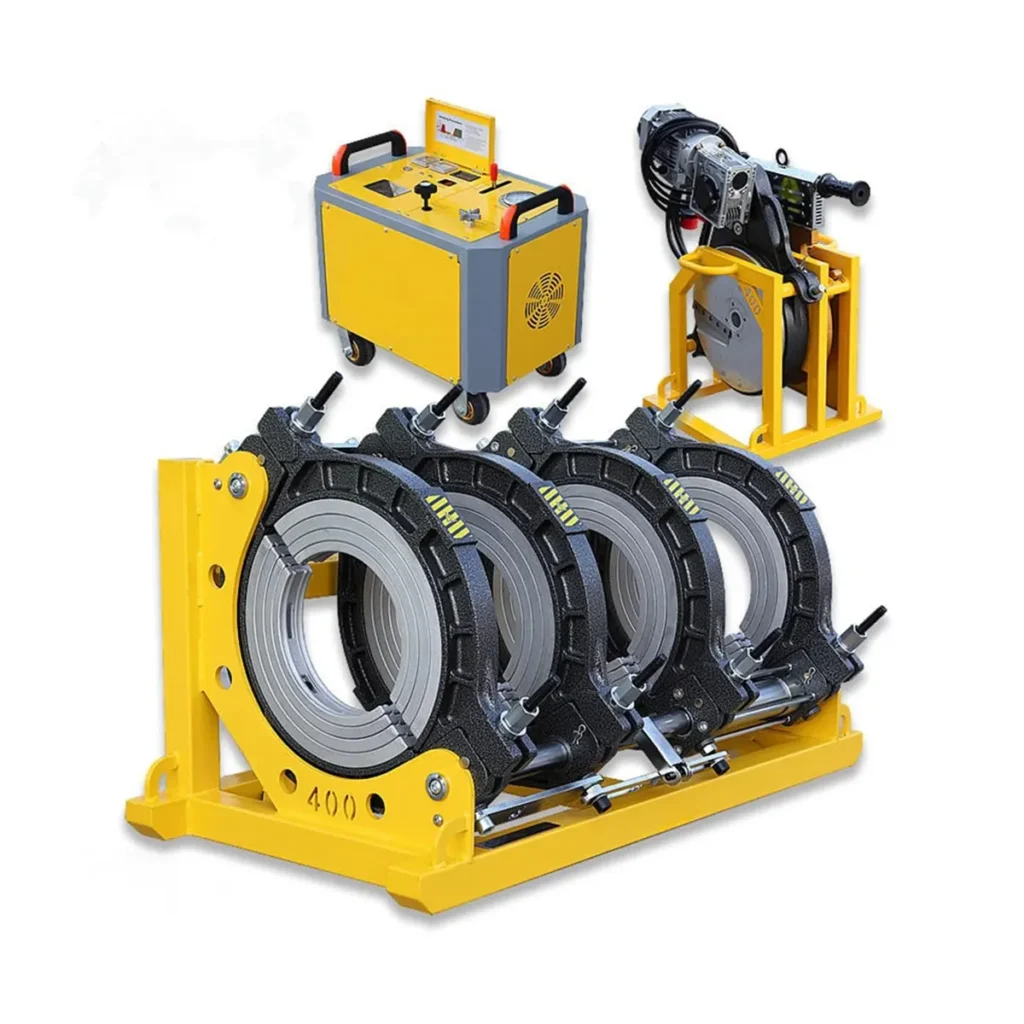
For infrastructure contractors, municipal procurement teams, and pipeline installers looking for reliable plastic pipe welding solutions, China remains a leading source of high-quality HDPE pipe welding machines. Engineers and project managers worldwide value consistent weld strength, easy operation, and fast lead times—attributes that matter most on water supply, gas distribution, mining, and industrial pipeline projects.
Why Chinese HDPE Pipe Welders Appeal to Global Buyers
Cost-performance balance: Chinese manufacturers often combine competitive pricing with robust manufacturing processes. This makes them attractive partners for large-scale projects where per-unit cost and repeatability are critical.
Local contractors in China benefit from fast aftermarket support and easy spare parts sourcing, while international buyers appreciate streamlined export packaging and compliance documentation for customs clearance.
Core Machine Types and Their Typical Uses
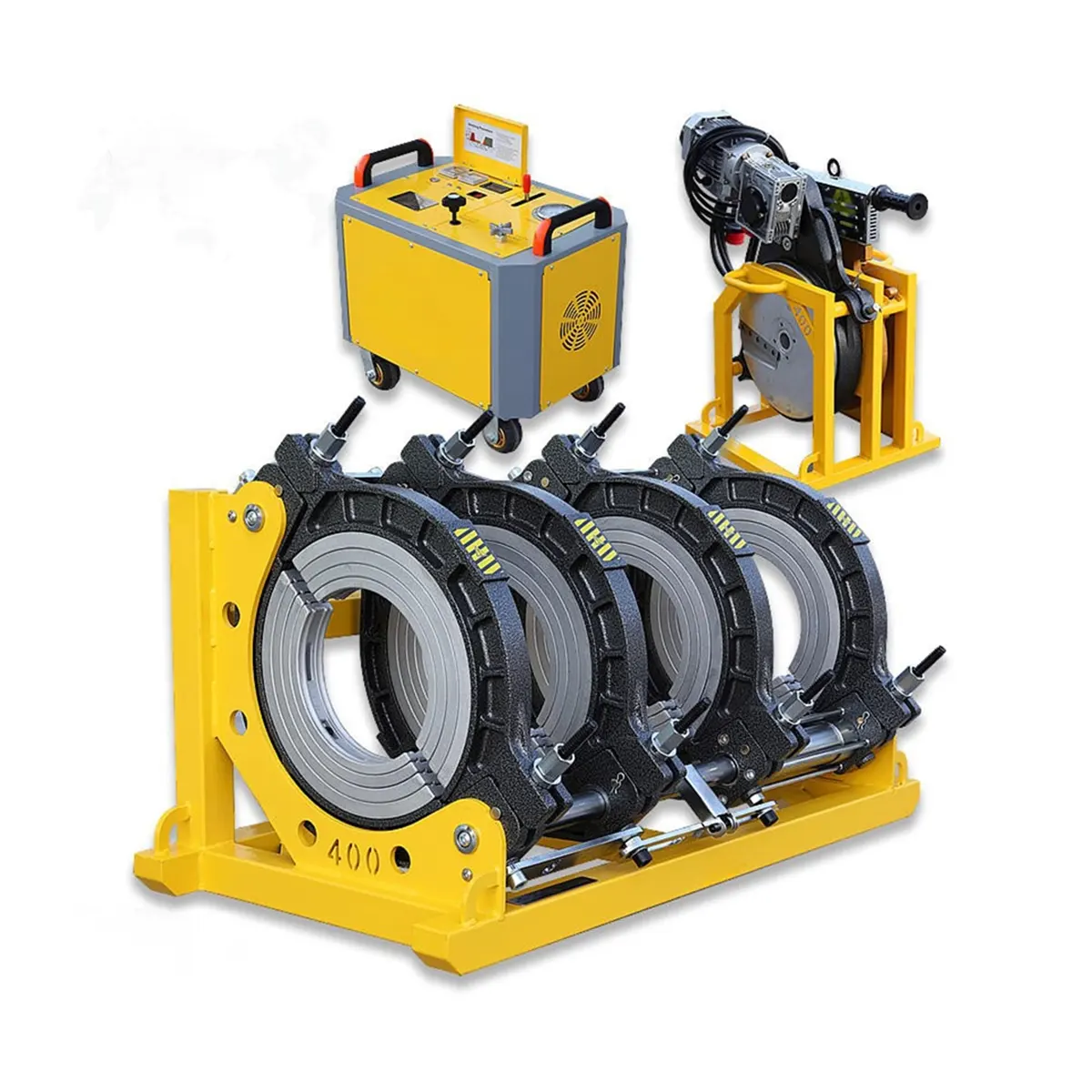
Buyers should choose welders based on pipe diameter, automation level, and site conditions. Manual units are ideal for smaller diameters and tight-access jobs; hydraulic machines suit medium to large pipes and offer higher precision; CNC automatic systems deliver repeatable weld quality for long production runs and critical pipelines.
Quick comparison table
| Machine Type | Pipe Diameter Range | Best For |
|---|---|---|
| Manual Butt Fusion | 16mm – 160mm | Small repairs, rural waterworks |
| Hydraulic Butt Fusion | 160mm – 1600mm+ | Municipal pipelines, gas distribution |
| CNC / Automatic Systems | 63mm – 1250mm | High-volume factory welding, ISO-regulated projects |
Key Quality & Compliance Considerations for Buyers
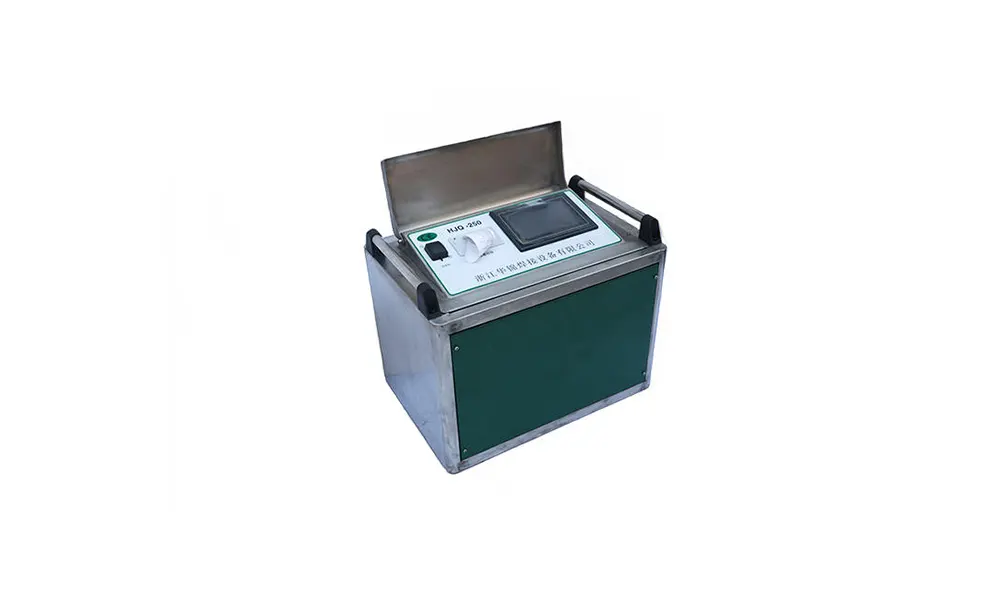
When sourcing from China, international procurement teams should evaluate material traceability, welding data logging, and conformity to international standards (such as ISO, ASTM, or local utility specs). Machines with digital controls and weld record exports simplify quality assurance and third-party inspections.
Logistics, After-sales & Local Support
China-based suppliers typically provide export-ready packaging, CE or other certification paperwork, and options for training either on-site or via remote sessions. For buyers in Asia, Europe, Africa, and Latin America, consider lead times, customs transit, and the availability of certified technicians in your region to reduce downtime.
Tips for Smooth Procurement
1. Request weld samples and data logs to verify machine performance under your material and environmental conditions. 2. Confirm spare parts availability and warranty terms. 3. Ask about operator training and recommended maintenance schedules to extend machine life and ensure consistent weld strength.
Choose a Partner with Proven Field Experience
For global infrastructure projects that demand predictable, high-integrity joints, opt for suppliers with a track record across water, gas, and mining applications—those who can supply manual, hydraulic, and automatic butt fusion machines as project needs scale. One such manufacturer is JQ-Fusion, known for a wide range of HDPE welding equipment and worldwide service.
Short FAQ for International Buyers
Q: How do I select the right welding machine for my pipeline project?
A: Base the choice on pipe diameter, project volume, and required traceability. Manual for small, hydraulic for large, CNC for high precision and volume.
Q: What after-sales support should I expect?
A: Request training, spare parts lists, digital manuals, and remote troubleshooting channels to minimize operational risk.



