
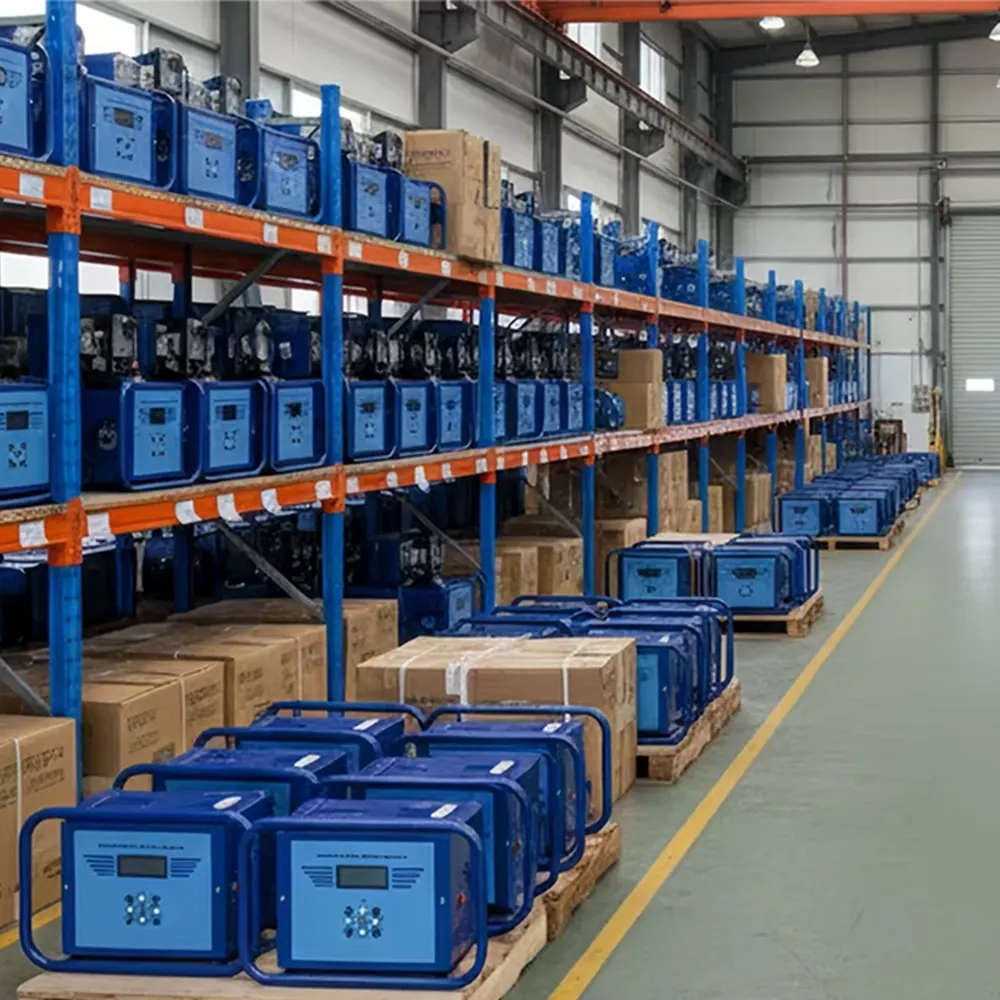
In large-scale pipeline construction, the quality of every joint determines the safety, efficiency, and long-term performance of the entire system. Among the many welding methods used in modern infrastructure, butt fusion machine technology plays a crucial role in creating strong, leak-free connections for HDPE and other thermoplastic pipes. This process has become an essential part of sustainable infrastructure because it helps build durable pipe networks with minimal maintenance, reduced material waste, and excellent service life. As cities expand, utilities upgrade, and industrial projects demand more dependable pipeline systems, sustainable infrastructure pipeline welding is gaining greater attention from contractors, engineers, and project owners worldwide.
At its core, sustainable infrastructure pipeline welding is not only about joining pipe sections. It is about creating a reliable system that supports long-term resource efficiency, reduces environmental impact, and improves operational safety. In water supply systems, gas distribution networks, mining applications, and industrial pipelines, the welding process must deliver consistent results across different pipe diameters and installation conditions. When the welding method is stable and well-controlled, it helps prevent leaks, lowers the need for repairs, and supports the broader goal of building infrastructure that lasts for decades rather than years.
What Is Sustainable Infrastructure Pipeline Welding?
Sustainable infrastructure pipeline welding refers to the use of welding methods, equipment, and procedures that support durable pipeline construction while also reducing waste, energy use, and lifecycle costs. In thermoplastic piping systems, especially HDPE pipelines, this usually involves butt fusion, electrofusion, or other advanced joining techniques that create a joint with strength close to the parent pipe itself. The goal is to produce a pipeline connection that can handle pressure, temperature changes, soil movement, and long-term operational demands with minimal failure risk.
Key idea: sustainability in pipeline welding means more than using eco-friendly materials. It also means choosing processes that reduce rework, improve quality consistency, and extend the service life of the infrastructure.
In practice, sustainable welding begins with proper machine selection, accurate temperature control, clean pipe preparation, and careful alignment. These factors help ensure that each joint is uniform and dependable. When project teams adopt modern equipment and standardized procedures, they reduce the chance of defective welds and avoid the cost and environmental burden of replacing failed sections later.
Why Butt Fusion Is Important in Modern Pipeline Projects
Butt fusion has become one of the most trusted methods for joining HDPE pipes in infrastructure projects because it creates a homogeneous connection. During the process, the pipe ends are heated, pressed together, and allowed to cool under controlled conditions. The result is a seamless joint that can perform well under demanding operating environments. This is especially important in water transmission, gas networks, and industrial pipelines where joint integrity is critical.
The importance of this method lies in its ability to combine strength, efficiency, and long-term reliability. Unlike mechanical joints that may require seals or fasteners, a properly executed butt-fused joint minimizes weak points. This reduces the likelihood of leakage, contamination, and pressure loss. For sustainable infrastructure, these advantages are significant because they help lower maintenance frequency and conserve both water and energy throughout the pipeline’s lifespan.
✔ Stronger lifecycle performance
A high-quality fused joint can last as long as the pipe system itself when installed correctly.
The Sustainability Benefits of Pipeline Welding
One of the most valuable sustainability benefits of pipeline welding is the reduction of system losses. In water distribution networks, even small leaks can lead to significant waste over time. In gas systems, poor joints can create safety hazards and operational inefficiencies. Reliable welding helps avoid these problems by creating stable connections that remain secure under pressure.
Another important benefit is the reduction in material consumption. When welding quality is consistent, there is less need for repairs, replacement fittings, and repeated excavation work. This lowers both the direct material cost and the environmental footprint associated with transportation, labor, and disposal. It also helps project teams complete installations more efficiently, which is particularly useful in large infrastructure developments where time and cost management are closely linked.
In addition, modern welding equipment supports sustainability by improving energy efficiency and process control. Advanced machines are designed to maintain stable heating, hydraulic pressure, and clamp alignment, all of which contribute to better welding accuracy. These improvements reduce the likelihood of failed welds and support a cleaner, more efficient workflow.
How Welding Equipment Supports Sustainable Construction
Equipment quality has a direct impact on welding outcomes. In sustainable infrastructure projects, contractors need machines that are stable, durable, and easy to operate. Manual, hydraulic, and CNC automatic butt fusion systems each serve different project needs, but all should provide reliable temperature accuracy and pressure consistency. When the equipment performs well, operators can produce high-quality joints with less variation and fewer interruptions.
Professional manufacturers also support sustainability by designing machines with long service life and strong field adaptability. For example, equipment used in water supply systems, gas distribution networks, mining projects, and industrial pipeline installations must be able to handle different pipe sizes and challenging site conditions. A flexible machine platform reduces the need for multiple specialized tools, which helps contractors manage inventory more efficiently and lowers unnecessary procurement.
Important note: stable welding performance depends on both machine design and operator discipline. Even advanced equipment requires proper setup, inspection, and procedure control.
The Role of Quality Control in Long-Term Infrastructure
Quality control is one of the most important parts of sustainable pipeline welding. Every stage of the welding process should be verified, from pipe preparation and alignment to heating time and cooling duration. When inspection is strict, the final joint is much more likely to meet performance requirements and remain reliable under real operating conditions.
Reputable manufacturers often conduct comprehensive testing on each machine before delivery, including temperature accuracy checks, hydraulic pressure stability tests, and clamp alignment inspection. These controls are not just technical details; they are essential safeguards that support project success. If the machine behaves consistently, workers can focus on producing good welds rather than compensating for unstable equipment.
For this reason, many contractors prefer sourcing machines from companies that combine manufacturing expertise with serious quality systems. A dependable supplier can help reduce project risk, improve installation speed, and support the sustainability goals of the entire pipeline network.
Where Sustainable Pipeline Welding Is Used
Sustainable welding methods are widely used in many industries because pipe systems are essential to modern infrastructure. In municipal water projects, fusion welding helps create clean, leak-resistant pipelines that support efficient distribution. In gas distribution, it contributes to safety and pressure integrity. In mining operations, pipeline systems must often transport abrasive materials or water over long distances, making durable joints especially valuable. In industrial projects, welded pipelines support chemical transport, processing, and plant utilities.
These applications share a common requirement: dependable performance over time. Sustainable infrastructure cannot rely on temporary fixes or weak connection methods. It needs robust joining technology that supports low maintenance, safe operation, and long-term value. That is why butt fusion and related welding methods remain central to modern pipeline construction.
Choosing the Right Partner for Infrastructure Welding
Selecting the right manufacturer is just as important as selecting the right welding process. A professional partner should offer not only equipment, but also engineering support, customization options, and dependable after-sales service. For global contractors and distributors, this means working with a supplier that understands different project standards, voltage requirements, branding needs, and operational conditions.
JQ-Fusion stands out in this field with more than 20 years of experience in HDPE pipe welding machines and butt fusion solutions. Its product range includes hydraulic butt fusion welding machines, automatic butt fusion welding machines, electrofusion welding machines, and multi-angle pipe fitting welding machines. With strong OEM and ODM capability, large inventory support, and proven international performance, the company helps customers meet diverse project demands while maintaining reliable quality. Learn more through these resources: butt fusion machine, HDPE pipe welding solutions, industrial pipeline equipment.
Why this matters: a trusted supplier helps ensure that sustainability goals are supported not only by design, but also by real-world execution, machine reliability, and technical support.
Future Trends in Sustainable Pipeline Welding
The future of pipeline welding will likely focus on automation, digital monitoring, and more efficient workflow integration. CNC automatic systems can already reduce operator variation and improve repeatability, while better diagnostic tools can help teams monitor welding parameters in real time. These advances are important because they improve consistency, reduce human error, and support more traceable quality management.
Another trend is the growing demand for customization. Projects are becoming more complex, and contractors increasingly need machines tailored to specific pipe sizes, site conditions, or operational requirements. Equipment manufacturers that can adapt to these needs will play a more important role in sustainable infrastructure development. The better the fit between the machine and the project, the more efficient and reliable the welding outcome will be.
Conclusion
Sustainable infrastructure pipeline welding is important because it supports long-lasting, efficient, and low-maintenance pipeline systems. By using reliable welding methods, high-quality machines, and strict inspection practices, contractors can build networks that perform well over time while reducing waste and operating costs. In a world where infrastructure must do more with fewer resources, the value of dependable welding technology continues to grow.
The best results come from combining technical skill with the right equipment and a commitment to quality. Whether the project involves water, gas, mining, or industrial transport, the welding process should always be treated as a critical investment in safety, efficiency, and sustainability.
FAQs
Q1: What makes butt fusion suitable for sustainable pipeline projects?
It creates strong, leak-resistant joints that reduce maintenance needs, material waste, and long-term failure risk.
Q2: Is sustainable pipeline welding only for HDPE pipes?
No. While HDPE is a major application, sustainable welding principles also apply to other thermoplastic pipeline systems and related fusion technologies.
Q3: Why is machine quality so important in welding?
Because stable temperature control, hydraulic pressure, and alignment directly affect joint quality and pipeline reliability.
Q4: How does pipeline welding support environmental goals?
It reduces leaks, prevents unnecessary repairs, lowers material consumption, and extends the service life of infrastructure.
Q5: What should buyers look for in a welding machine supplier?
They should look for experience, quality control, customization ability, technical support, and proven performance in global markets.



