
As Moldova invests in modernizing water distribution, irrigation and industrial pipelines, choosing the right HDPE welding equipment is critical for long-term reliability. Local contractors, municipal utilities and agricultural cooperatives need butt fusion machines that perform in cold winters, variable jobsite conditions, and EU-funded infrastructure projects — offering precision, portability and proven weld quality.
Why HDPE Butt Fusion Is the Smart Choice for Moldova
HDPE (High-Density Polyethylene) piping offers corrosion resistance, flexibility and leak-free joints — ideal for Moldova’s rural water supply upgrades, urban network rehabilitation in Chisinau, and irrigation systems across the agricultural south. Butt fusion welding creates homogenous, durable joints that resist freeze-thaw cycles and ground movement. For civil works supported by international donors, using certified welding methods reduces long-term maintenance costs and improves compliance with technical specifications.
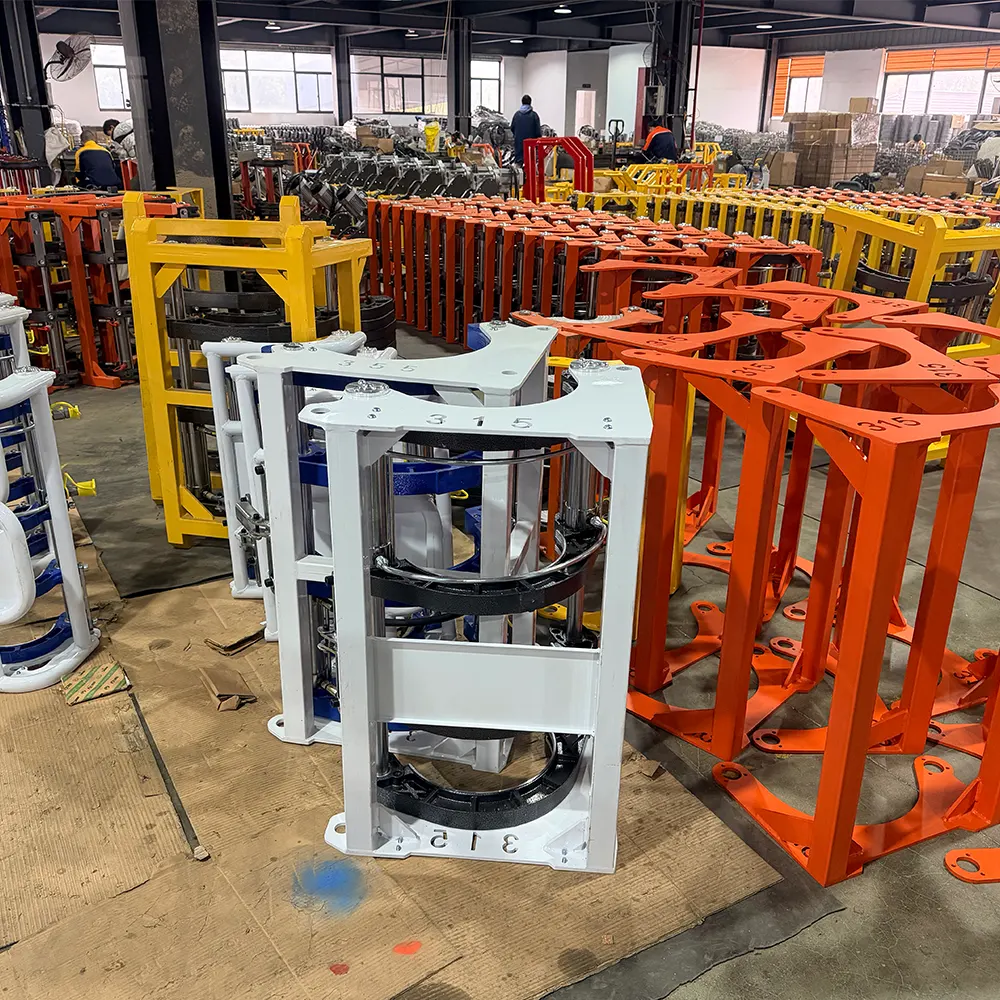
Comprehensive Welding Solutions from a Trusted Manufacturer
JQ-Fusion provides a wide range of butt fusion machines suited for Moldova’s project types: manual units for small-diameter repairs, hydraulic machines for medium-to-large pipelines, and CNC/automatic systems for high-throughput factory or large civil projects. Each model is engineered for portability, consistent heating control and easy field calibration — helping local teams minimize rework and meet strict quality standards.
Key Features Moldovan Contractors Value
Robust construction: corrosion-resistant frames, reinforced clamps and weatherproof controls for outdoor jobs.
Precise temperature control: accurate heater plates and integrated data logging to document weld cycles for reporting.
Portability and modularity: light frames and modular accessories for remote village connections and seasonal irrigation installs.
Serviceability: readily available spare parts, training packages and clear maintenance procedures reduce downtime on critical projects.
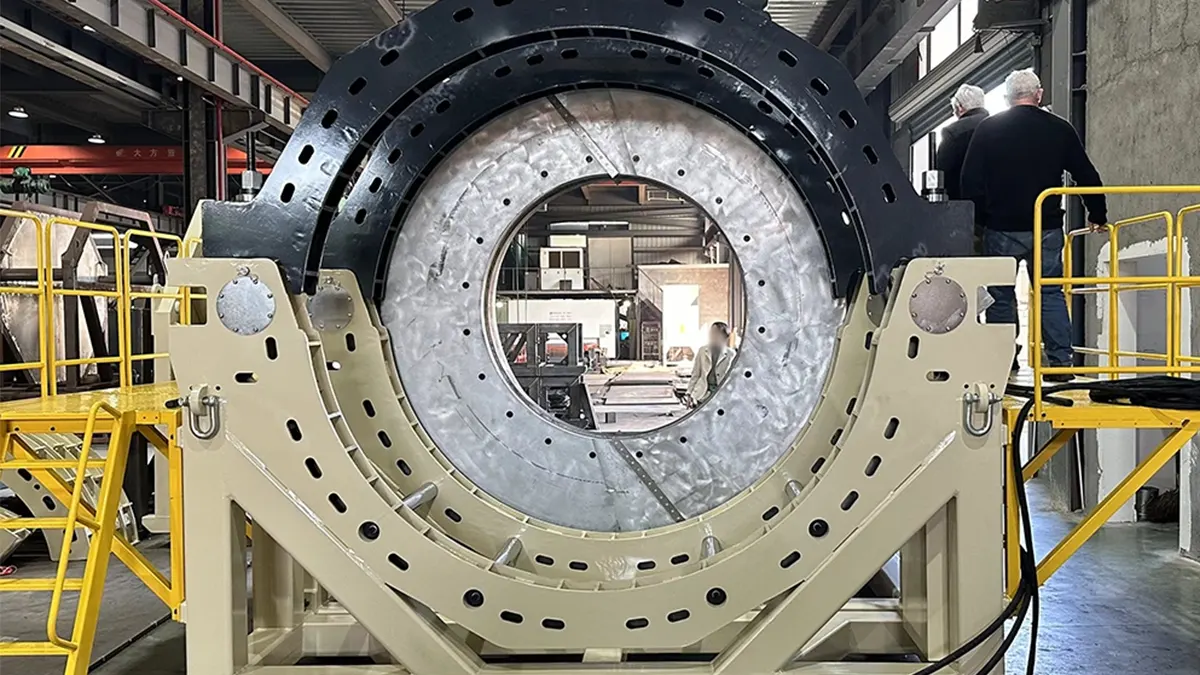
Model Comparison — Quick Reference
| Model | Type | Pipe Range (mm) | Best Use |
|---|---|---|---|
| Manual L-Series | Manual Butt Fusion | 20 – 160 | Small repairs, rural networks |
| Hydraulic H-Series | Hydraulic Butt Fusion | 160 – 800 | Mainline water & gas installation |
| Automatic A-Series | CNC/Automatic | 63 – 630 | Factory prefabrication, large city projects |
Best Practices for Moldovan Projects
Prep and training are essential. Ensure pipes are clean, alignment is precise, and heating/cooling cycles are followed per material standards. For winter work, protect heater plates and weld areas from freezing temperatures, and use documented weld logs for quality assurance required by donors or local authorities.
Installation, Training and After-Sales Support
Local teams benefit from hands-on training covering machine setup, operation and troubleshooting. Reliable after-sales support means timely spare parts and technical advice when working across Moldova’s regions — from urban upgrades in Chisinau to remote irrigation installations in Cahul.
Choosing the Right Machine for Your Job
Consider pipe diameter, project scale, portability needs and documentation requirements when selecting equipment. For scattered rural pipelines choose manual or light hydraulic units; for municipal networks and contracted works look to hydraulic and automatic machines that increase throughput and traceability.
Learn More
Explore detailed specifications, available training programs and factory capabilities at https://jq-fusionwelding.com/ to match the right butt fusion solution to your Moldova project.



