
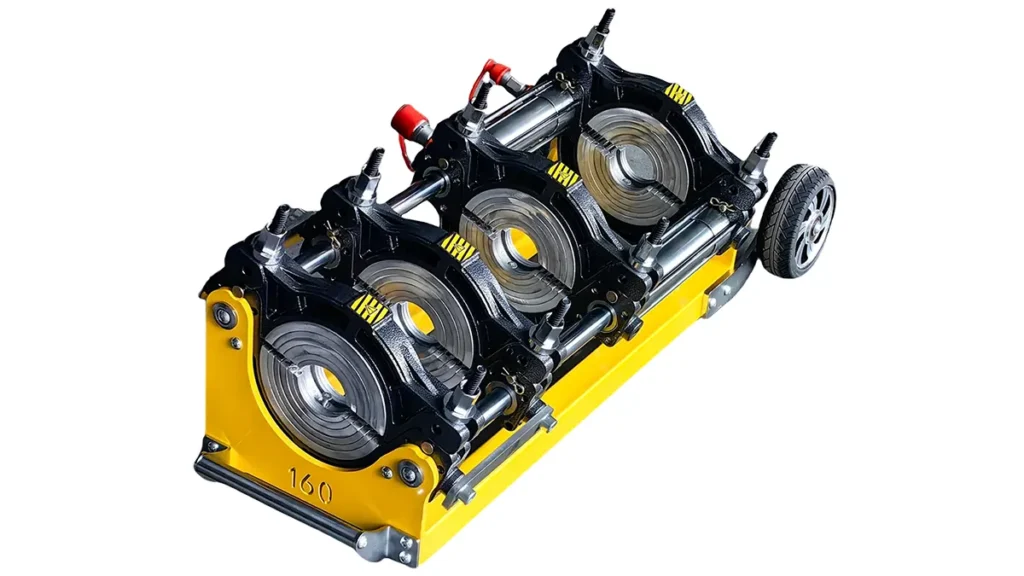
Choosing the right poly pipe welder supplier in Brazil can determine the success of water distribution, irrigation, gas and industrial pipeline projects. This guide helps Brazilian contractors, municipal engineers and private-sector buyers evaluate suppliers and machines so you select a solution that fits tropical climates, long supply chains and local standards.
Why supplier selection matters for Brazilian projects
Reliability: Projects in Brazil—from urban water networks in São Paulo to remote irrigation lines in Mato Grosso—need welders that perform consistently under heat, humidity and dusty jobsite conditions.
Compliance: Local standards (ABNT/NBR) and municipal inspection regimes require traceable weld quality and documentation. A supplier who understands Brazilian regulations saves time at approval and commissioning stages.
After-sales & logistics: Import lead times, port handling (Santos, Paranaguá) and customs duties can add delays. Local service capability, spare parts availability and Portuguese-language training minimize downtime.
Common machine types and the typical Brazilian use-cases
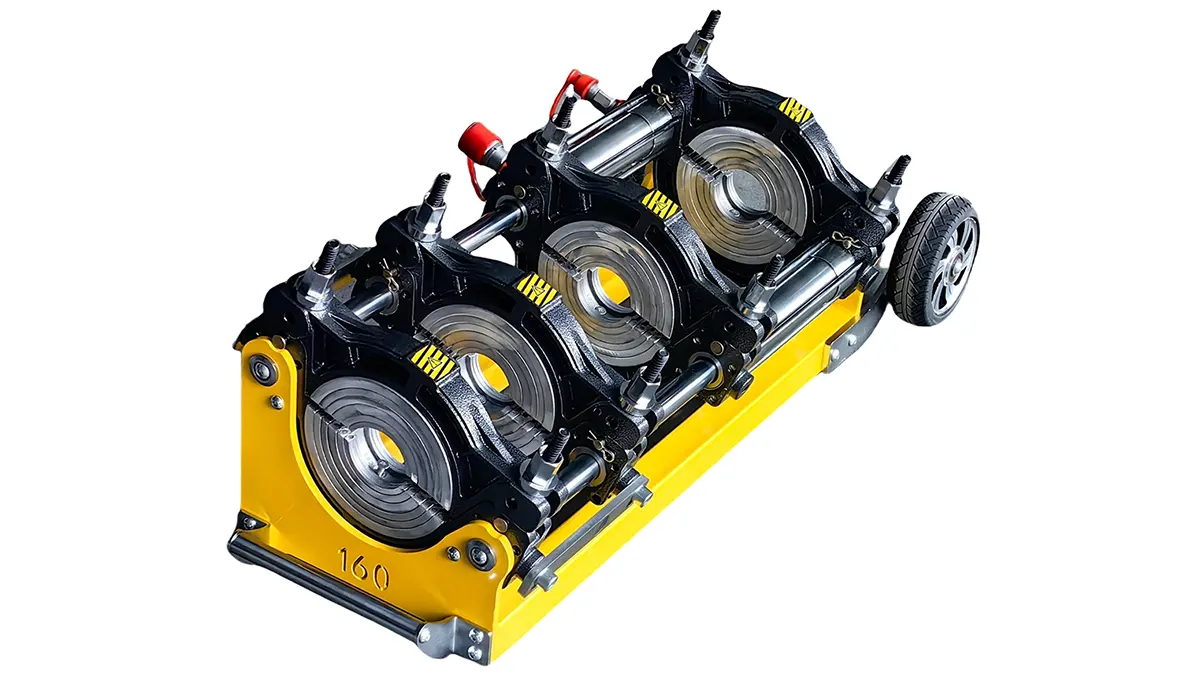
Manual butt fusion: Cost-effective for small-diameter lines and rural technicians. Best for community water supply projects and small irrigation networks.
Hydraulic butt fusion: Preferred for medium to large pipelines where higher clamping force and repeatability are needed, such as municipal water mains and industrial plants.
Automatic/CNC butt fusion: Ideal for high-volume contractors and factory settings where precision, programmable cycles and full welding logs are required—useful in large urban infrastructure and gas distribution networks.
Top criteria to evaluate a poly pipe welder supplier
1. Product range & compatibility: Ensure the supplier offers machines for the diameter range you need (small irrigation pipes to large trunk mains) and supports HDPE materials commonly used in Brazil.
2. Certifications & traceability: Look for manufacturing quality documentation, calibration certificates and the ability to produce welding logs that comply with NBR and client inspection requirements.
3. Local service and spare parts: Confirm spare parts lead times and whether technicians can be trained in Portuguese or if local partners provide on-site support.
4. Training & documentation: Supplier-provided operator training, maintenance manuals in Portuguese and welding procedure documentation reduce installation mistakes and improve warranty coverage.
5. Warranty & lifecycle support: Check warranty terms, availability of consumables (heating plates, clamps), and whether the supplier offers preventive maintenance plans.
6. Shipping, taxes & total cost: Factor CIF vs. FOB pricing, import duties, and estimated local handling—these can materially affect the final procurement cost in Brazil.
| Feature | What to look for | Why it matters |
|---|---|---|
| Diameter range | Clear specs for min–max pipe sizes | Ensures the machine covers current and future projects |
| Control & logging | Digital/CNC logs and exportable reports | Mandatory for traceability and inspections |
| Training & manuals | Local-language resources, on-site training | Reduces operator error and improves weld quality |
| Spare parts | Stock levels, lead times, local distributors | Minimizes project delays |
Procurement tips tailored to Brazil
Local standards: Ask for documentation that demonstrates compliance or compatibility with NBR (ABNT) standards used by municipal utilities.
Port & customs planning: Coordinate delivery to major ports, plan for customs clearance paperwork, and budget for duties and local transport to reduce surprises.
On-site training in Portuguese: Prioritize suppliers or partners who provide training and user manuals in Portuguese so crews across Brazil can adopt machines quickly.
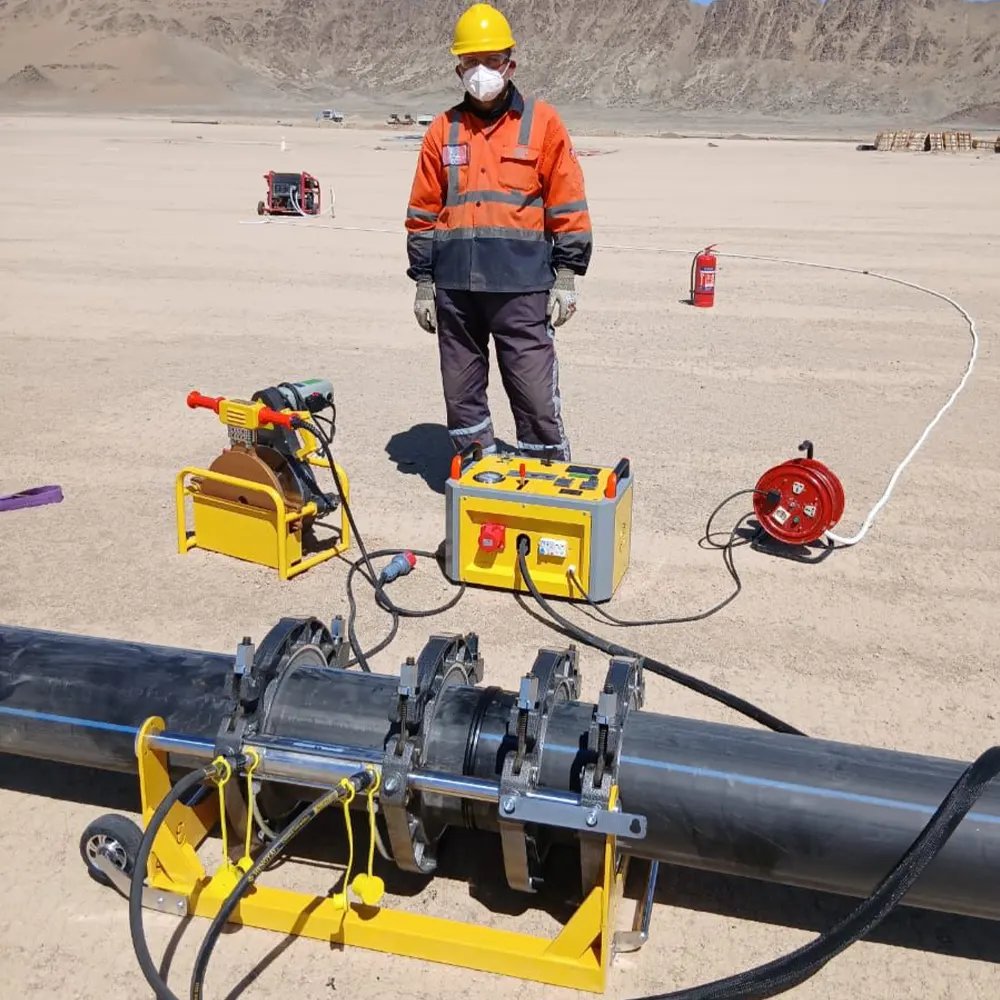
Field conditions: Choose machines with durable frames, IP-rated components and easy-to-clean heating plates to handle dusty, sandy or humid environments across Brazilian regions.
Quick procurement checklist
Project pipe sizes confirmed, welding procedure specs defined, supplier warranty and spare parts policy reviewed, training schedule agreed, and customs/port arrangements planned.
FAQs
Q: Which machine type is best for Amazon basin projects?
A: Hydraulic machines with higher clamping stability and corrosion-resistant finishes are often best when crews work in remote, humid environments.
Q: Do automatic machines require specialized operators?
A: Automatic/CNC units need trained operators for programming and logging, but they reduce variability and provide full weld traceability.
For reliable HDPE butt fusion equipment and global project support, consider suppliers with a broad product range and proven export experience. JQ-Fusion (https://jq-fusionwelding.com/) offers manual, hydraulic and CNC automatic welding machines with global project references and aftermarket support to meet diverse Brazilian infrastructure needs.



