
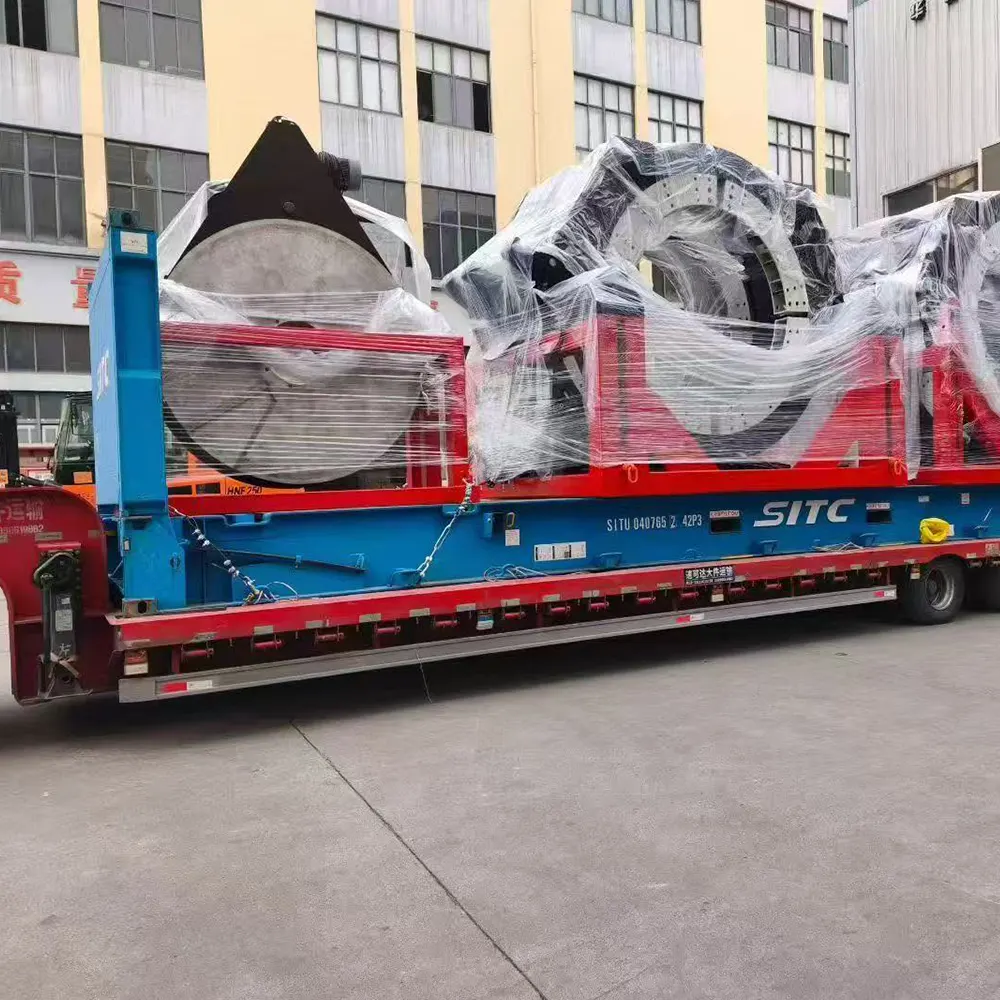
The environmental impact of pipeline welding is often discussed only in terms of emissions, but the real picture is broader. Welding operations influence energy consumption, material efficiency, site disturbance, equipment lifecycle, and long-term pipeline reliability. When planned well, pipeline welding can support lower-waste infrastructure with a smaller environmental footprint than many people assume. When managed poorly, however, it can create unnecessary energy use, fumes, noise, and rework that increase the overall impact.
Modern pipeline construction is under growing pressure to balance performance with sustainability. That means contractors, engineers, and equipment suppliers must pay attention not only to weld quality, but also to how the welding process affects the surrounding environment. From the choice of welding method to the efficiency of the machines used on site, every decision matters. For example, projects that use a reliable butt fusion machine can often reduce defect rates and minimize material loss, which directly supports environmental goals.
One of the most important environmental factors in pipeline welding is energy usage. Welding machines draw power during heating, alignment, hydraulic operation, and cooling phases. Older equipment may consume more electricity or fuel while delivering less stable performance. That means more energy is required to complete each joint, and more carbon emissions may be generated if the power source is not renewable. In contrast, modern automatic systems and efficient hydraulic designs can help reduce unnecessary energy consumption by optimizing heat control and cycle timing.
Another major issue is material waste. Every failed weld can lead to cutting out sections of pipe, re-preparing surfaces, and repeating the process. This not only wastes pipe material, fittings, and consumables, but also increases transport needs and site activity. A strong quality system can significantly lower this risk. Machines with stable temperature control, accurate clamp alignment, and consistent pressure performance help ensure each weld is completed correctly the first time. In this way, equipment quality becomes an environmental issue, not just a technical one.
Key point: the most sustainable weld is often the one that does not need to be repaired. Reducing rework saves energy, materials, labor hours, and transport emissions.
Air quality is another area of concern. Welding activities can produce fumes, smoke, and fine particles depending on the process and surrounding materials. While pipeline welding methods vary, all site operations should be planned with ventilation, safe work zones, and proper consumable management. In enclosed or sensitive environments, controlling airborne pollutants becomes even more critical. Good operating practices reduce exposure for workers and minimize emissions into the local environment.
The type of pipeline being installed also affects environmental impact. Water supply systems, gas distribution networks, mining infrastructure, and industrial piping all involve different site conditions and environmental sensitivities. For example, work near wetlands, farmland, or urban areas may require more careful planning to avoid soil disruption, noise complaints, and traffic congestion. In remote industrial zones, fuel logistics and equipment transport may be the larger concern. Because of this, welding teams should adapt their methods to the site rather than using a one-size-fits-all approach.
Transport emissions are often overlooked. Large equipment, pipe segments, tooling, and support vehicles must all move to and from the project site. If welding equipment is inefficient or prone to breakdowns, more deliveries, repairs, and replacements may be needed. This increases the project’s total carbon footprint. Suppliers that maintain stable stock and provide fast shipping can help reduce delays and unnecessary transport cycles. Efficient supply chains are not just a business advantage; they also support lower environmental impact.
Noise pollution is another factor, especially for projects near communities or protected areas. Hydraulic pumps, generators, cutting tools, and site machinery can create significant noise during pipeline installation. While welding itself may not always be the loudest activity, it is often part of a larger construction sequence that contributes to the overall noise load. Selecting quieter, better-maintained equipment and scheduling work carefully can reduce disturbance to people and wildlife nearby.
Surface preparation and cleaning also influence sustainability. Before welding, pipe ends must usually be cleaned, aligned, and checked for contamination. If the process is rushed, improper preparation can lead to weld defects and extra waste. If it is done carefully, it improves first-pass quality and reduces the chance of failure. Simple actions such as keeping tools organized, protecting pipe ends from dust, and verifying alignment before heating can save both resources and time.
Machine durability matters more than many teams realize. A welding machine with a long service life reduces the need for replacement manufacturing, packaging, and shipment. Durable machines also perform more consistently over time, which helps maintain weld quality and lower waste. This is one reason many global contractors prefer equipment built with stable manufacturing standards and strict testing. When a machine is designed for long-term reliability, its environmental cost is spread across many more projects and many more welded joints.
There is also an important connection between customization and sustainability. Project-specific machine configurations can improve efficiency by matching equipment precisely to pipe diameter, voltage requirements, and working conditions. Instead of forcing a generic machine to do specialized work, customized solutions can reduce idle energy use, speed up the welding cycle, and improve accuracy. That means fewer errors, less downtime, and lower overall resource consumption.
Environmental benefit: accurate welding reduces the need for replacement pipe, extra fittings, fuel use from rework crews, and repeated site disturbance.
Quality assurance plays a direct role in environmental performance. Testing temperature accuracy, hydraulic pressure stability, and clamp alignment does more than protect weld integrity; it also prevents the hidden waste that comes from failed work. A machine that is checked before delivery and maintained properly on site is less likely to create inefficient operations. In this sense, strong quality control is part of responsible environmental management.
The role of automation is especially important. Automated and CNC systems can help standardize the welding process, reducing operator variation and improving repeatability. Consistent results mean fewer defective joints, less material loss, and better planning of energy use. While automation itself requires manufacturing resources, its long-term effect on efficiency can be highly positive when the equipment is well utilized.
Training is another major sustainability tool. Even the best machine can produce poor environmental outcomes if it is used incorrectly. Operators who understand heating cycles, fusion timing, pressure control, and site safety are more likely to complete clean welds with fewer corrections. Training also helps crews avoid unnecessary machine wear and energy waste. From an environmental standpoint, skilled labor is one of the most effective tools available.
The choice of supplier can influence environmental performance as well. Manufacturers that focus on stable performance, customization, and after-sales support help customers keep equipment in service longer and operate it more efficiently. For example, a supplier with strong technical guidance can help a contractor choose the right machine for the job, which may reduce over-specification and wasted resources. This is particularly valuable in large-scale pipeline projects where small inefficiencies multiply quickly.
In addition, the materials used in the welding ecosystem matter. Consumables, packaging, protective accessories, and spare parts all create environmental impacts through manufacturing and disposal. A well-managed procurement strategy can reduce surplus stock, avoid unnecessary packaging waste, and support better inventory control. Large inventory availability can also help minimize emergency shipments, which often have a larger carbon cost than planned deliveries.
It is also worth noting that the environmental impact of pipeline welding should be viewed across the full lifecycle of the pipeline, not only during construction. A high-quality weld contributes to long-term pipeline integrity, which reduces leaks, failures, emergency repairs, and service interruptions. In gas and water systems, strong joint performance can have direct environmental benefits by preventing product loss and reducing the need for repeated excavation. In this way, a careful welding process helps protect resources well beyond the construction phase.
For companies selecting equipment, it is smart to consider both productivity and sustainability. A machine that supports stable output, reliable operation, and easy maintenance is often the greener choice over time. Manufacturers with broad product ranges, such as hydraulic, automatic, and electrofusion systems, can help contractors match the right technology to each project. This flexibility improves efficiency while lowering unnecessary environmental burdens.
Practical takeaway: environmentally responsible pipeline welding is not about using the least amount of equipment possible; it is about using the right equipment, the right method, and the right process controls to achieve durable results with minimal waste.
When pipeline welding is evaluated honestly, it becomes clear that the process can either increase or reduce environmental harm depending on execution. Poorly maintained machines, weak quality control, and unnecessary rework all raise emissions and waste. By contrast, accurate machines, skilled operators, efficient logistics, and durable welds support a lower-impact construction model. This is especially relevant for global projects where scale magnifies every decision.
As infrastructure demand continues to grow, the industry will need more efficient ways to build pipelines without placing excessive pressure on the environment. That means selecting better equipment, improving training, reducing material loss, and designing processes around long-term performance. Environmental responsibility in pipeline welding is not a separate goal from project success; it is part of achieving it.
FAQs
1. Does pipeline welding always create a large environmental impact?
Not necessarily. The impact depends on equipment efficiency, weld quality, energy source, transportation, and how much rework is needed. Well-managed welding operations can keep the footprint relatively low.
2. What is the biggest environmental issue in pipeline welding?
Rework is often one of the biggest hidden problems because it wastes pipe material, labor, energy, and fuel while increasing site disturbance.
3. How can welding equipment reduce environmental impact?
Reliable equipment with stable temperature control, accurate pressure performance, and good alignment reduces weld defects and improves first-pass success, which lowers waste and energy use.
4. Are automated welding machines more sustainable?
They can be, especially when automation improves consistency and reduces human error. Fewer failed welds usually mean less waste and lower total emissions over the project lifecycle.
5. Why does long-term weld quality matter for the environment?
Because durable welds reduce leaks, failures, repairs, and repeated excavation. A strong pipeline connection helps protect resources throughout the pipeline’s service life.



