
Pipeline welding is one of the most critical operations in modern infrastructure construction. Whether the project involves water transmission, gas distribution, mining slurry transport, or industrial fluid lines, the quality of every welded joint can directly affect system safety, service life, and operating efficiency. In large-scale pipeline networks, even a small defect may lead to leakage, pressure loss, environmental damage, or expensive shutdowns. That is why contractors and engineers must understand not only the welding process itself, but also the main challenges that often arise during field installation and fabrication.
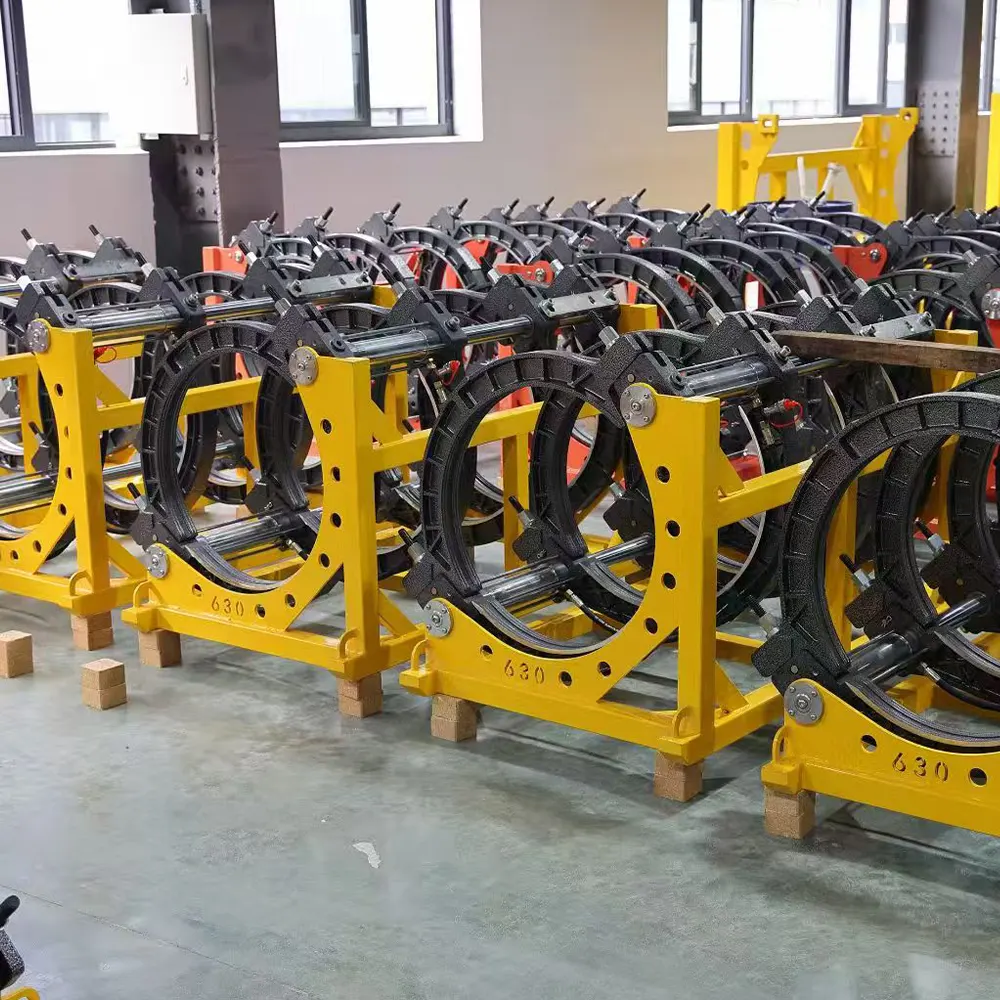
Among the many joining methods used in thermoplastic pipeline systems, butt fusion has become a preferred choice for HDPE projects because it creates a strong, homogeneous connection when done correctly. Reliable equipment, careful process control, and trained operators are essential to achieve consistent results. For projects that demand stable performance and long-term durability, selecting a trusted butt fusion machine can make a major difference in weld quality and project efficiency.
Why Pipeline Welding Quality Matters
Pipeline welding is not simply about connecting two pipe ends. It is a controlled engineering process that must deliver structural strength, pressure resistance, and long-term sealing performance. In water supply systems, a poor weld may cause contamination or water loss. In gas pipelines, the consequences can be even more serious, with safety risks that affect people, property, and operations. In mining and industrial environments, weld failure can interrupt production and create costly downtime.
Because pipeline networks are often buried, submerged, or installed in remote locations, repair work is usually difficult and expensive. This makes prevention far more important than correction. A sound welding strategy begins with correct material selection, proper machine setup, stable environmental conditions, and strict inspection standards. When these elements are aligned, pipeline systems can remain safe and reliable for many years.
★ Key point: A strong pipeline weld depends on the full process, not only the operator’s skill. Machine stability, pipe preparation, alignment, and temperature control all affect the final joint.
Challenge 1: Poor Pipe Surface Preparation
One of the most common welding problems is inadequate surface preparation. Before fusion begins, the pipe ends must be clean, flat, and properly aligned. Dirt, dust, moisture, oxidation, grease, or uneven cutting can prevent the molten surfaces from bonding correctly. Even a small layer of contamination may weaken the weld and create hidden defects inside the joint.
In field projects, surface preparation is often affected by time pressure, weather conditions, and limited workspace. Crews may rush the cleaning stage or overlook minor irregularities. However, skipping preparation steps can lead to poor fusion, uneven beads, and reduced joint strength. The best solution is to establish a strict pre-weld inspection routine. Operators should trim pipe ends accurately, remove contamination, and verify that the surfaces are dry and ready before heating.
⚠ Important: Always check pipe cleanliness before fusion. A visually clean surface is not enough if oxidation or moisture remains on the pipe end.
Challenge 2: Misalignment and Clamping Errors
Pipe alignment is another major challenge in welding operations. If the two pipe ends are not perfectly aligned, the fusion bead may become uneven, the internal wall may shift, and flow resistance can increase. In severe cases, misalignment can create stress concentrations that reduce joint integrity over time.
Clamping errors often happen when the machine is not set up correctly or when the pipe diameter is not matched to the equipment range. Workers may also fail to secure the pipe firmly enough during heating and joining. This can cause movement at the most critical moment of the process. To solve this problem, crews should use calibrated equipment, verify clamp fit before starting, and confirm that the pipe ends remain centered throughout the operation.
When working on projects with different pipe sizes, it is especially important to use reliable fusion equipment designed for stable alignment. Manufacturers such as JQ-Fusion provide machines built for consistent clamp positioning and precise control, which helps reduce operator error and improve welding consistency.
Challenge 3: Temperature Control Issues
Heat control is at the heart of the fusion process. If the heating plate temperature is too low, the pipe material may not melt enough to create a strong bond. If the temperature is too high, the material may degrade, deform, or lose mechanical performance. In either case, the weld quality suffers.
Temperature issues may be caused by uncalibrated sensors, unstable power supply, worn heating components, or incorrect operator settings. Outdoor projects can make this even more difficult because cold wind, rain, or direct sunlight can affect heat retention and timing. The solution is to use machines with accurate temperature regulation and to verify the heating plate before every shift. Regular maintenance and calibration are also essential for long-term performance.
Tip: Stable heating is one of the strongest indicators of a reliable fusion system. Equipment with precise control helps maintain weld consistency across different job sites.
Challenge 4: Weather and Site Conditions
Pipeline welding often takes place outdoors, where weather can change quickly and affect process quality. Low temperatures slow down heat transfer, strong winds increase heat loss, and rain introduces moisture that interferes with bonding. Dusty or muddy site conditions may also contaminate the pipe ends or machine components.
Remote project locations present additional difficulties, including limited shelter, unstable electricity, and difficult transportation of heavy equipment. In such environments, welding teams should plan ahead with protective tents, wind shields, dry storage areas, and reliable power sources. If necessary, portable and rugged welding solutions should be selected to match the site demands.
For global contractors managing projects in water supply, gas distribution, mining, or industrial systems, choosing adaptable equipment is a practical way to reduce weather-related downtime. JQ-Fusion’s experience in international pipeline applications helps support projects that must operate under diverse field conditions.
Challenge 5: Operator Skill and Training Gaps
Even advanced machines cannot fully compensate for poor operator knowledge. A large number of welding defects are linked to incorrect process timing, insufficient cleaning, improper pressure settings, or inconsistent inspection habits. New workers may not understand how each step affects the final joint, while experienced crews may still develop bad habits over time.
The most effective solution is systematic training. Operators should learn how to prepare the pipe, set the machine, monitor the heating cycle, apply pressure correctly, and inspect the finished weld. Clear work instructions and regular refresher training can reduce mistakes and increase confidence in the field. When teams understand the process deeply, they can respond faster to changes in weather, material size, or project scope.
✓ Best practice: Treat operator training as a quality control tool, not just a support activity. Skilled crews deliver stronger welds and lower rework rates.
Challenge 6: Equipment Reliability and Maintenance
Fusion equipment must perform consistently under demanding project conditions. If hydraulic pressure becomes unstable, if the heating plate wears unevenly, or if the control system fails, weld quality can quickly decline. Some project delays are caused not by pipe problems, but by poorly maintained machinery.
Regular maintenance is therefore a core part of welding success. Machines should be inspected before use, cleaned after operation, and serviced according to a planned schedule. Important items such as power systems, hydraulic parts, clamps, temperature controls, and alignment components should be checked frequently. For contractors handling multiple job sites, equipment durability becomes even more important because transportation and frequent setup can increase wear.
JQ-Fusion emphasizes strict quality control, stable manufacturing, and comprehensive testing to ensure dependable machine performance. These strengths are especially valuable for contractors who need consistent results in long-term pipeline programs.
How to Reduce Welding Defects in Real Projects
Reducing welding defects requires a complete workflow, not a single fix. Teams should begin with material verification to ensure the pipes meet project specifications. Next, equipment must be matched to the pipe diameter and application type. Before fusion starts, the crew should confirm that the work area is stable, clean, and safe. During welding, all key parameters must be monitored carefully. After welding, the joint should be inspected for bead shape, alignment, and overall consistency.
It is also helpful to document procedures and record machine settings for each job. This creates a repeatable process that improves accountability and makes it easier to identify the root cause of any future issue. In larger projects, digital records and standardized checklists can significantly improve quality management.
For contractors and distributors seeking reliable solutions, JQ-Fusion offers a wide product range including hydraulic butt fusion welding machines, automatic butt fusion welding machines, electrofusion welding machines, and multi-angle pipe fitting welding machines. Their OEM and ODM flexibility also supports customized configurations for different project requirements, helping clients build practical advantages in their markets.
● Remember: The most reliable welding results come from combining the right equipment, good training, strong inspection habits, and disciplined site management.
The Role of Quality-Driven Manufacturing
Behind every successful weld is a machine that performs with accuracy and stability. That is why manufacturing quality matters so much in pipeline welding equipment. Advanced production lines, precision machining, and strict testing standards help ensure that every unit can support demanding project conditions. When a manufacturer controls temperature accuracy, hydraulic stability, and clamp alignment carefully, the result is better field performance and fewer operational interruptions.
JQ-Fusion’s manufacturing capability and global support model are built around these needs. With over 20 years of experience, the company focuses on durable, customizable fusion solutions for pipeline contractors worldwide. This experience is especially useful in projects where reliability, speed, and technical support must work together.
The company also maintains strong inventory and fast shipping capability, which is valuable when urgent projects require quick equipment deployment. In pipeline construction, delays can be expensive, so having dependable supply support can be just as important as having the right technical design.
Conclusion
Pipeline welding challenges are unavoidable, but they can be managed effectively with the right combination of preparation, technology, training, and quality control. From surface contamination and alignment issues to weather conditions and equipment reliability, each challenge has a practical solution when the process is handled with discipline. A successful welding program does not depend on one single factor; it depends on the entire system working together.
For HDPE pipeline applications, dependable fusion machines, trained operators, and strict process control form the foundation of strong joints and long-lasting infrastructure. Contractors who invest in quality equipment and structured welding procedures can reduce rework, improve safety, and protect their project timelines. In demanding global markets, that reliability is often the difference between a difficult project and a successful one.
FAQs
Q1: What is the most common cause of pipeline welding failure?
A1: Poor surface preparation, misalignment, and incorrect temperature control are among the most common causes of weak or defective welds.
Q2: Why is butt fusion widely used for HDPE pipelines?
A2: Butt fusion creates a strong, homogeneous joint that performs well under pressure and offers excellent long-term durability when done correctly.
Q3: How can weather affect welding quality?
A3: Low temperatures, wind, rain, and dust can interfere with heating stability, cleanliness, and joint consistency, especially in outdoor projects.
Q4: What should contractors look for in a fusion machine?
A4: They should look for accurate temperature control, stable hydraulic pressure, reliable clamp alignment, durable construction, and strong technical support.
Q5: How can welding teams improve consistency across multiple projects?
A5: By using standardized procedures, regular training, calibrated equipment, and detailed inspection records for every welding job.



