
A welding safety checklist is more than a routine formality. It is a practical tool that helps operators reduce risk, protect equipment, and maintain consistent work quality. In welding environments, hazards can change quickly, and even a small oversight may lead to burns, fire, electric shock, toxic fume exposure, or poor weld integrity. A well-structured checklist gives operators a clear process to follow before, during, and after welding so that safety does not depend on memory alone.
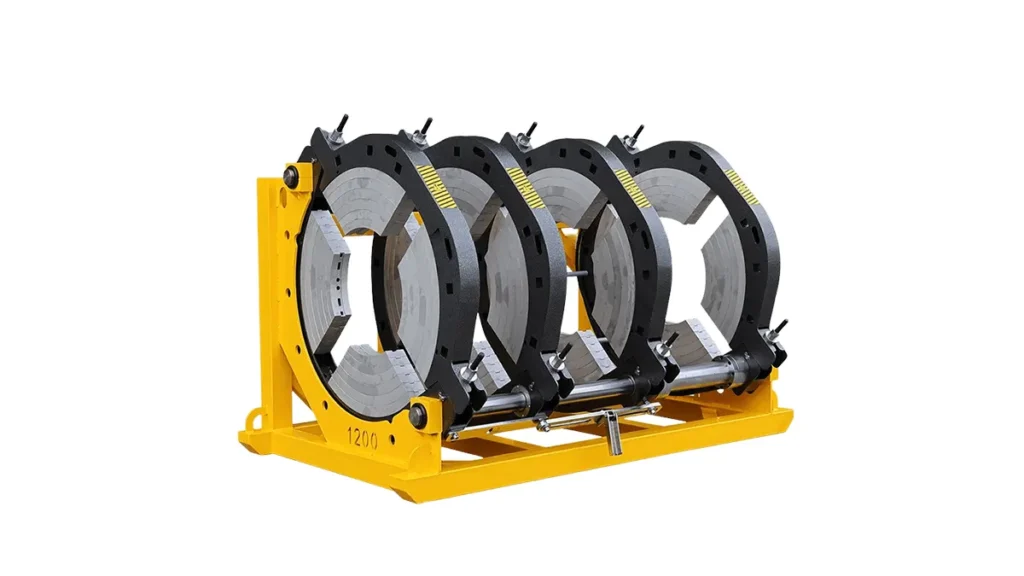
For teams working with pipe joining and fabrication, especially in industrial and construction projects, the checklist should be simple enough to use every day and detailed enough to prevent accidents. Whether the task involves manual equipment, hydraulic systems, or automated welding systems, the core purpose remains the same: verify that the workplace, machine, operator, and materials are ready for safe welding. This is especially important in large-scale pipeline applications where stability, accuracy, and safe operation are essential to project success. For example, contractors who use a butt fusion machine should confirm that every stage of preparation is completed before heating, clamping, or fusion begins.
Why a Welding Safety Checklist Matters
A safety checklist creates consistency. When welding is repeated across shifts, sites, or different operators, a written checklist helps standardize safe behavior and reduce variation. This is especially useful in environments where multiple people share tools, gas cylinders, clamps, electrodes, or fusion systems. A checklist also improves accountability because each step can be verified before work starts.
Another key benefit is that it supports compliance. Many workplaces have safety rules for ventilation, fire prevention, machine inspection, personal protective equipment, and emergency response. A checklist brings these requirements together in one place so operators can confirm them quickly. It also helps supervisors identify recurring issues, such as damaged cables, blocked ventilation, or missing protective gear, before those issues become incidents.
Key idea: A strong checklist is not only about preventing accidents. It also improves weld quality by ensuring stable conditions, correct settings, and proper preparation.
1. Personal Protective Equipment Must Be Verified First
The first section of any welding safety checklist should focus on personal protective equipment. Operators should never begin work until they confirm that all required PPE is available, in good condition, and being used correctly. This usually includes a welding helmet with the proper shade, safety glasses, heat-resistant gloves, flame-resistant clothing, protective boots, and hearing protection when needed.
It is also important to inspect PPE for wear and damage. Cracked helmet lenses, torn gloves, exposed skin, melted fabric, or loose cuffs can increase the risk of injury. If the task involves fumes or grinding, respiratory protection and face protection may also be necessary. Operators should understand that PPE is the last line of defense, not a substitute for safe work practices.
PPE checklist points
– Helmet lens is correct for the welding process
– Gloves are dry, intact, and heat-resistant
– Clothing covers all exposed skin and is free from oil or flammable residue
– Boots are closed-toe and resistant to sparks and heat
– Respiratory and hearing protection are available when the job requires them
2. Work Area Conditions Should Be Checked Before Ignition
The workspace itself must be safe before welding begins. Operators should look for flammable materials, standing water, oil, loose cables, poor lighting, blocked access, and trip hazards. The area should be clean, organized, and large enough to allow the operator to move safely around the workpiece.
Ventilation is a major part of this inspection. Welding can produce fumes and gases that are dangerous if they accumulate in enclosed or poorly ventilated areas. A checklist should confirm that local exhaust ventilation is working, fresh air is circulating, and the operator is not working in an atmosphere that could become hazardous. If the welding occurs near confined spaces, the checklist should require additional controls and supervision.
⚠️ Do not begin welding until combustible materials are removed, proper ventilation is confirmed, and the path around the workstation is clear.
3. Equipment Inspection Is Non-Negotiable
A complete checklist should include a detailed inspection of the welding equipment. Operators need to verify that the power source, cables, connectors, torch or electrode holder, clamps, cooling system, and control settings are in proper working order. Any sign of frayed wiring, damaged insulation, leakage, overheating, or unstable output should be treated seriously.
If the welding process uses specialized fusion equipment, the machine should be checked for alignment, pressure stability, temperature accuracy, and overall mechanical condition. On industrial pipeline jobs, equipment reliability directly affects both safety and weld quality. Machines should always be operated according to manufacturer instructions, and preventive maintenance records should be up to date.
When using advanced pipe welding systems, suppliers with strong technical support can help operators reduce downtime and improve consistency. For companies interested in reliable equipment and project-ready solutions, JQ-Fusion provides a range of welding options including hydraulic, automatic, and electrofusion models, along with support for customization and training. This can be especially useful for teams that need stable performance in demanding field conditions.
Equipment inspection checklist
– Cables and hoses are intact and secure
– Connectors are tight and free from corrosion
– Cooling and airflow systems are functioning properly
– Controls and indicators display correct readings
– Calibration and maintenance status are current
4. Gas Cylinders, Filler Materials, and Consumables Need Control
If the welding process involves shielding gas, the checklist should confirm that cylinders are secured upright, regulators are functioning, and hoses are free from leaks. Gas cylinders must be handled carefully because improper storage or movement can lead to serious hazards. Operators should also ensure that the correct gas type and pressure are being used for the specific job.
Consumables matter too. Electrodes, filler rods, wire spools, flux, and cleaning materials should be suitable for the material being welded and stored in clean, dry conditions. Using damaged or contaminated consumables can create weak joints and increase the chance of defects. A checklist should remind operators to verify material compatibility before work begins.
Important: Never assume the correct gas, wire, or filler material has been selected. Confirm it every time.
5. Job Setup and Material Preparation Should Be Confirmed
Safe welding depends on good preparation. The checklist should require operators to inspect the workpiece, confirm dimensions, remove contaminants, and secure the materials properly. Rust, grease, moisture, paint, dust, and scale can all affect weld quality and generate unwanted fumes or spatter.
The fit-up must also be correct. Parts should be aligned, clamped, and supported according to the procedure. Poor positioning can lead to tension, distortion, or unstable workpieces that move during welding. When the task involves pipe systems, alignment is especially critical because inaccurate setup can affect both structural performance and sealing quality.
6. Fire Prevention and Emergency Readiness Are Essential
A welding checklist should always include fire prevention steps. Operators should confirm that fire extinguishers are nearby, hot work permits are approved when required, and flammable materials are removed or protected. Sparks and molten metal can travel farther than expected, so the surrounding area should be checked carefully before welding starts.
Emergency readiness is just as important. Operators should know where the nearest exits, first aid supplies, eye wash stations, and emergency contacts are located. If the work is done in a team environment, everyone should understand who is responsible for stopping work in the event of smoke, fire, electric shock, or exposure to hazardous fumes.
Safety rule: Emergency equipment is only useful if workers know where it is and how to use it.
7. Operator Readiness and Training Should Be Part of the Checklist
A welding safety checklist should not focus only on objects and machines. It should also assess the operator. The person performing the work must be trained, alert, physically able, and familiar with the procedure. Fatigue, distraction, illness, or lack of experience can all increase the chance of mistakes.
If the operator is new, the checklist should require supervision or verification by a qualified person. If the task is unfamiliar, the operator should review the procedure, test settings, and safety risks before starting. Good training encourages better hazard recognition, safer machine handling, and more consistent results.
8. Documentation and Sign-Off Improve Discipline
A checklist becomes more effective when it is documented properly. Operators should record the inspection date, equipment status, any problems found, and the corrective actions taken. This creates a useful work history and helps supervisors track patterns that may require maintenance or retraining.
Sign-off also improves responsibility. When operators confirm that each item has been checked, they are more likely to follow the process carefully. For larger projects, digital checklists can make recordkeeping easier and help managers review safety performance across multiple sites or shifts.
A Practical Welding Safety Checklist Template
– Confirm PPE is worn correctly and in good condition
– Inspect the work area for fire hazards, clutter, and poor ventilation
– Check welding equipment, cables, hoses, and connectors
– Verify gas cylinders, regulators, and consumables
– Confirm material fit-up, alignment, and cleanliness
– Ensure fire protection and emergency equipment are available
– Review the operator’s training and readiness
– Record findings and correct issues before welding begins
This template can be expanded or adjusted according to the welding process, the site rules, and the risk level of the task. A simple job may require only a short pre-start checklist, while a more complex project may need a detailed inspection form and supervisor approval. The key is to keep the checklist practical, readable, and easy to complete under real working conditions.
How Safety Checklists Improve Welding Quality
Safety and quality are closely connected. When operators use a checklist to control the environment, settings, and materials, they also reduce the chance of weld defects. Clean surfaces, stable equipment, proper temperature, and correct clamping all contribute to stronger results. In many cases, the same steps that prevent injuries also prevent rework, saving time and materials.
This is one reason industrial manufacturers emphasize process control and technical support. Companies with experience in welding equipment design, production, and quality testing can help users create safer, more repeatable operations. Reliable machines, proper calibration, and clear operating guidance all support the checklist process and make it easier for teams to achieve consistent outcomes.
Conclusion
A welding safety checklist for operators should include PPE verification, work area inspection, equipment checks, material readiness, fire prevention, emergency preparation, operator readiness, and written sign-off. The best checklist is not overly complicated, but it is detailed enough to prevent accidents and support quality work. When operators follow a clear and consistent checklist, they are better protected, more confident, and more likely to produce reliable welds every time.
Frequently Asked Questions
What is the most important item on a welding safety checklist?
PPE verification is usually the first priority, but the most important item overall is ensuring that all major hazards are controlled before welding starts. That includes the operator, the equipment, and the workspace.
How often should a welding checklist be used?
It should be used before every welding task or shift. Rechecking conditions each time helps catch new hazards that may have developed since the last inspection.
Can a welding checklist improve weld quality?
Yes. A safe, clean, and properly prepared work environment supports better weld consistency, fewer defects, and less rework.
Should new operators use a different checklist?
They may need a more detailed checklist with additional supervision, especially if they are still learning machine setup, hazard recognition, and emergency procedures.
Is a digital checklist better than a paper checklist?
Both can work well. Digital checklists are useful for recordkeeping and tracking, while paper checklists may be easier in some field conditions. The best choice depends on the workplace and workflow.



