
Nigeria’s growing infrastructure projects—from urban water networks to rural irrigation and gas distribution—are driving demand for reliable HDPE jointing machines. Choosing the right equipment ensures leak-free pipelines, faster installation, and long-term system integrity. This guide explains types, uses, and a practical buying checklist tailored to Nigerian contractors, utilities, and pipeline installers.
Types of HDPE Jointing Machines
Understanding the main machine types helps match the tool to jobsite needs and pipe specifications:
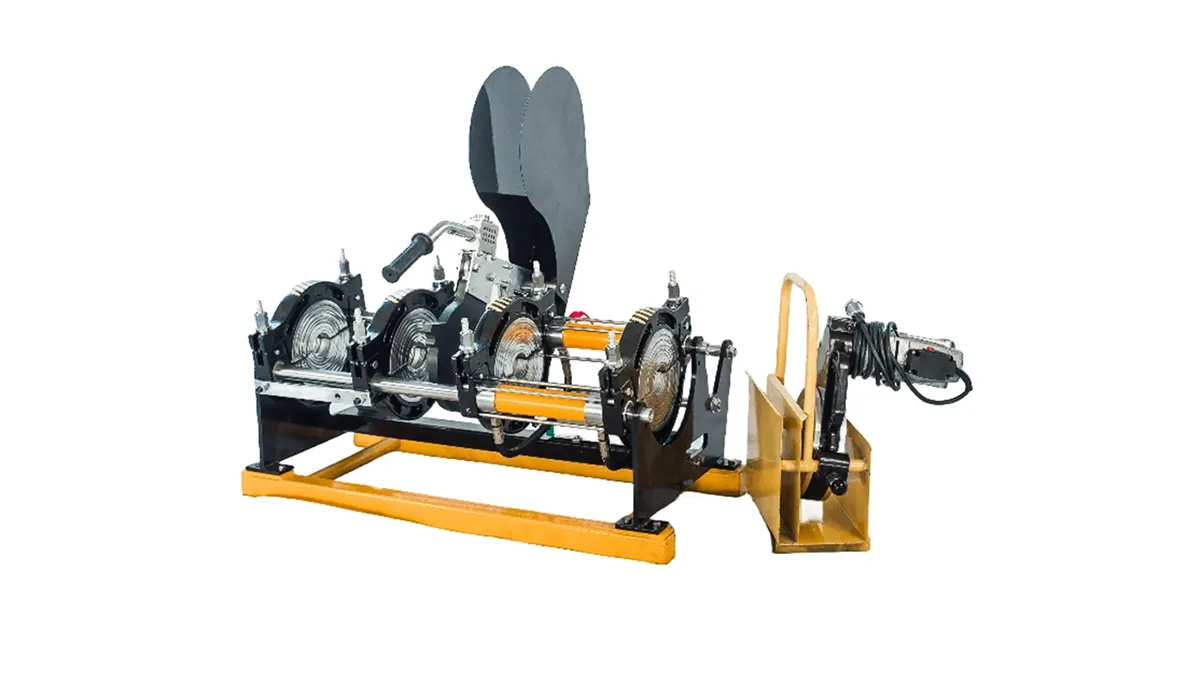
- Manual Butt Fusion Machines — Simple, portable units for small-diameter pipes (typically 20–400mm). Ideal for rural teams and small contractors due to low cost and easy field repair.
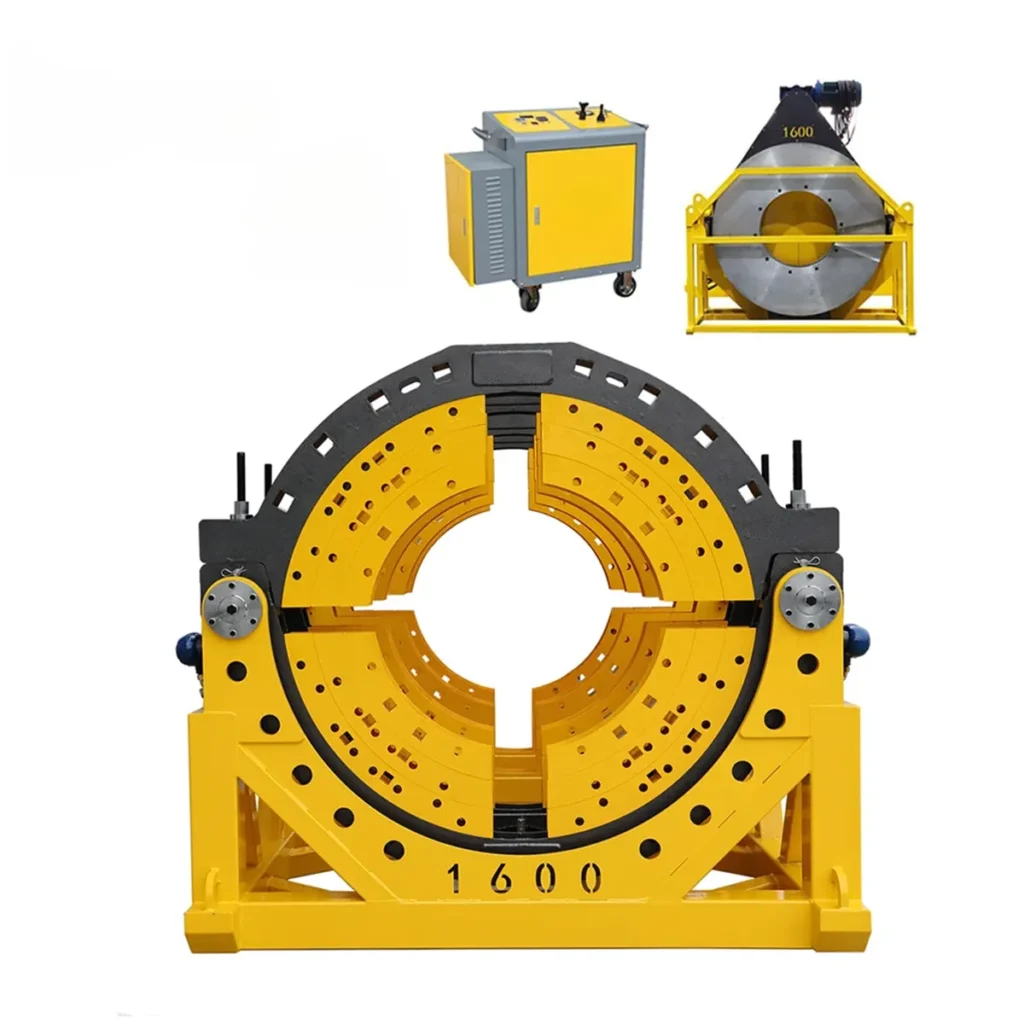
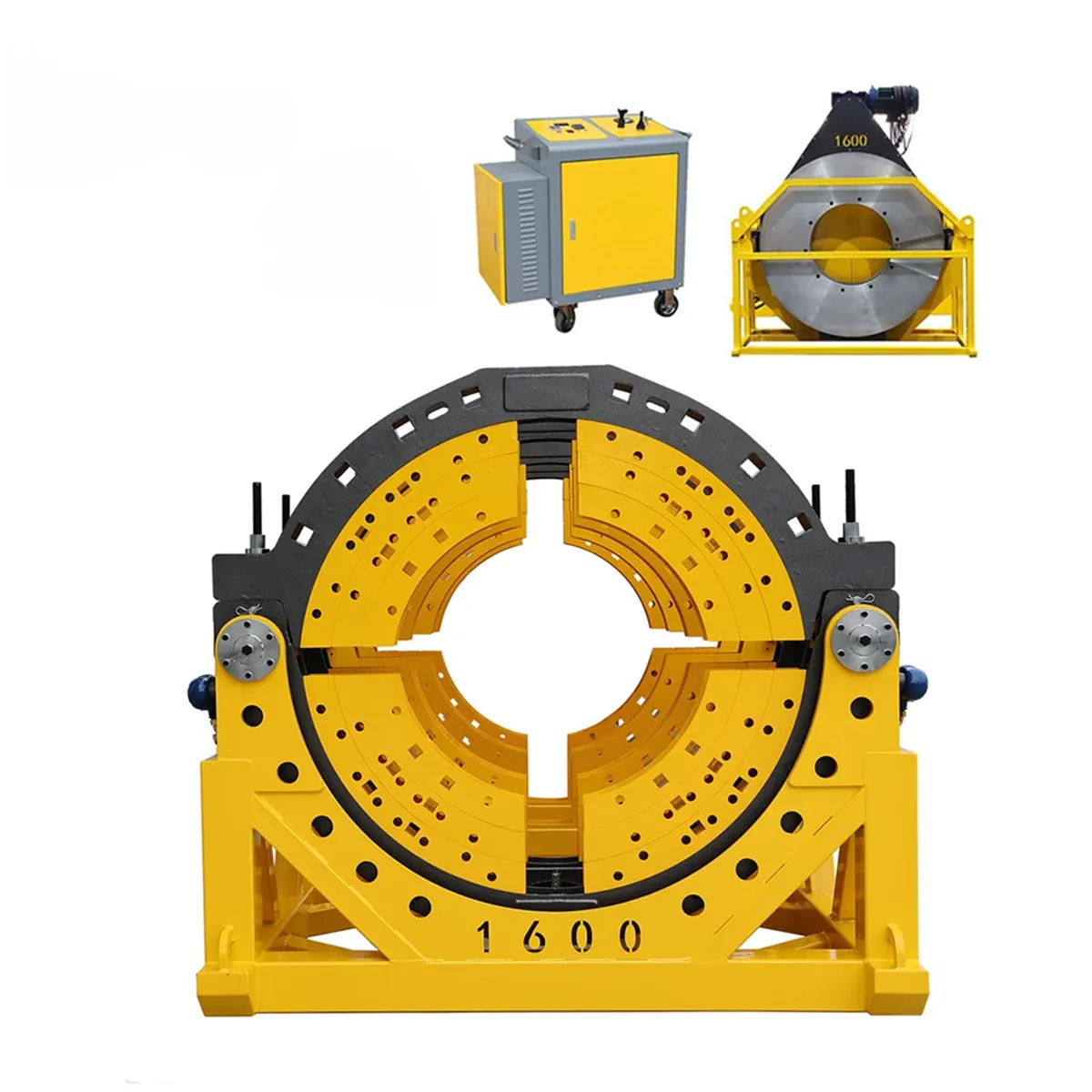
- Hydraulic Butt Fusion Machines — Stable, accurate clamping with hydraulic force. Common on medium to large projects (up to 2000mm+), used where repeatable, high-quality joints are required.
- Automatic/CNC Butt Fusion Machines — Offer programmable cycles, precise temperature and pressure control, and recording capabilities. Best for high-volume contractors and factory-style prefabrication.
- Electrofusion Units — For fittings and repairs on medium-to-large diameter systems; particularly useful in confined spaces or when joining complex fittings.
- Multi-Angle & Fittings Machines — Specialized for tees, bends and prefabricated assemblies used in municipal and industrial installations.
How HDPE Jointing Machines Are Used in Nigeria
Nigerian projects present diverse environments: dusty construction sites in Lagos, remote rural areas in the north, and heavy-industrial installations in the Niger Delta region. Typical applications include:
- Urban water distribution and rehabilitation programs
- Rural water supply and community borehole networks
- Irrigation systems for agriculture and agro-businesses
- Gas distribution networks and energy-sector pipelines
- Mining, industrial wastewater and drainage systems
Local considerations: many sites lack stable grid power, so machines that can run via generators or diesel-hydraulic power packs are preferred. Heat, dust and seasonal rains also influence maintenance schedules and storage requirements.
Buying Guide: Choose the Right Machine for Nigeria
When selecting an HDPE jointing machine, consider these practical factors:
- Pipe diameter range: Verify the machine covers your project pipe sizes (small: 20–160mm; medium: 160–630mm; large: 630mm+).
- Level of automation: Manual machines are cheaper and portable; automatic units increase consistency and reduce operator error for high-volume work.
- Portability & weight: For remote or rural jobs, lighter and modular frames are easier to transport.
- Power options: Confirm compatibility with local voltage and the ability to run from standard generators common in Nigerian sites.
- Heater plate quality & temperature control: Precise heating and flatness ensure strong welds—critical in water and gas systems.
- Clamps & materials: Corrosion-resistant clamps and aluminum frames perform better in humid coastal areas.
- Spare parts & local support: Fast access to heaters, hydraulic seals and control modules reduces downtime.
- Compliance & certification: Ask for quality certificates, welding procedure data and traceable welding logs for regulatory projects.
- Training & documentation: Supplier-provided training for local teams improves joint quality and safety.
- Shipping & customs: Factor in import times and duties; work with suppliers experienced exporting to Nigeria.
Machine Type Comparison
| Type | Pipe Range | Advantages | Best Use |
|---|---|---|---|
| Manual Butt Fusion | 20–400mm | Cost-effective, portable | Rural water projects, repairs |
| Hydraulic Butt Fusion | 63–2000mm+ | High force, stable joints | Municipal & large networks |
| Automatic/CNC | 20–1200mm+ | Precision, data logging | High-volume contractors, prefabs |
| Electrofusion | 20–1200mm (fittings) | Easy fitting joints, repairs | Service connections, patch repairs |
Maintenance & Best Practices for Nigerian Conditions
- Store heater plates and electronics in dry, dust-free containers between jobs.
- Use protective covers during rainy season and clean clamps regularly to avoid grit build-up.
- Keep a stock of common spare parts (heaters, PTFE sheets, hydraulic seals) locally.
- Document welding parameters and joint inspections for quality assurance and future audits.
- Provide hands-on training to operators—consistency in heating time and pressure is critical.
Typical Price Ranges & ROI
Prices vary widely: manual units are lowest-cost, hydraulic mid-range, and automatic CNC units command a premium. Consider lifecycle cost: a higher-quality machine reduces rework, emergency repairs and downtime—often paying back the initial investment quickly on large projects.
Where to Buy and After-Sales Support
For reliable butt fusion and electrofusion solutions, consider manufacturers with export experience and clear documentation. JQ-Fusion offers a full range of manual, hydraulic, and automatic HDPE pipe welding machines and can provide customization, training, and spare parts support for Nigerian projects. Visit their site for model details and export-capable options.
If you operate in Nigeria—whether as a municipal contractor, rural water NGO, or industrial installer—selecting the right HDPE jointing machine improves installation speed, reduces leaks, and secures long-term pipeline performance. Focus on local serviceability, spare part availability, and machine robustness to suit Nigeria’s varied climates and site conditions.



